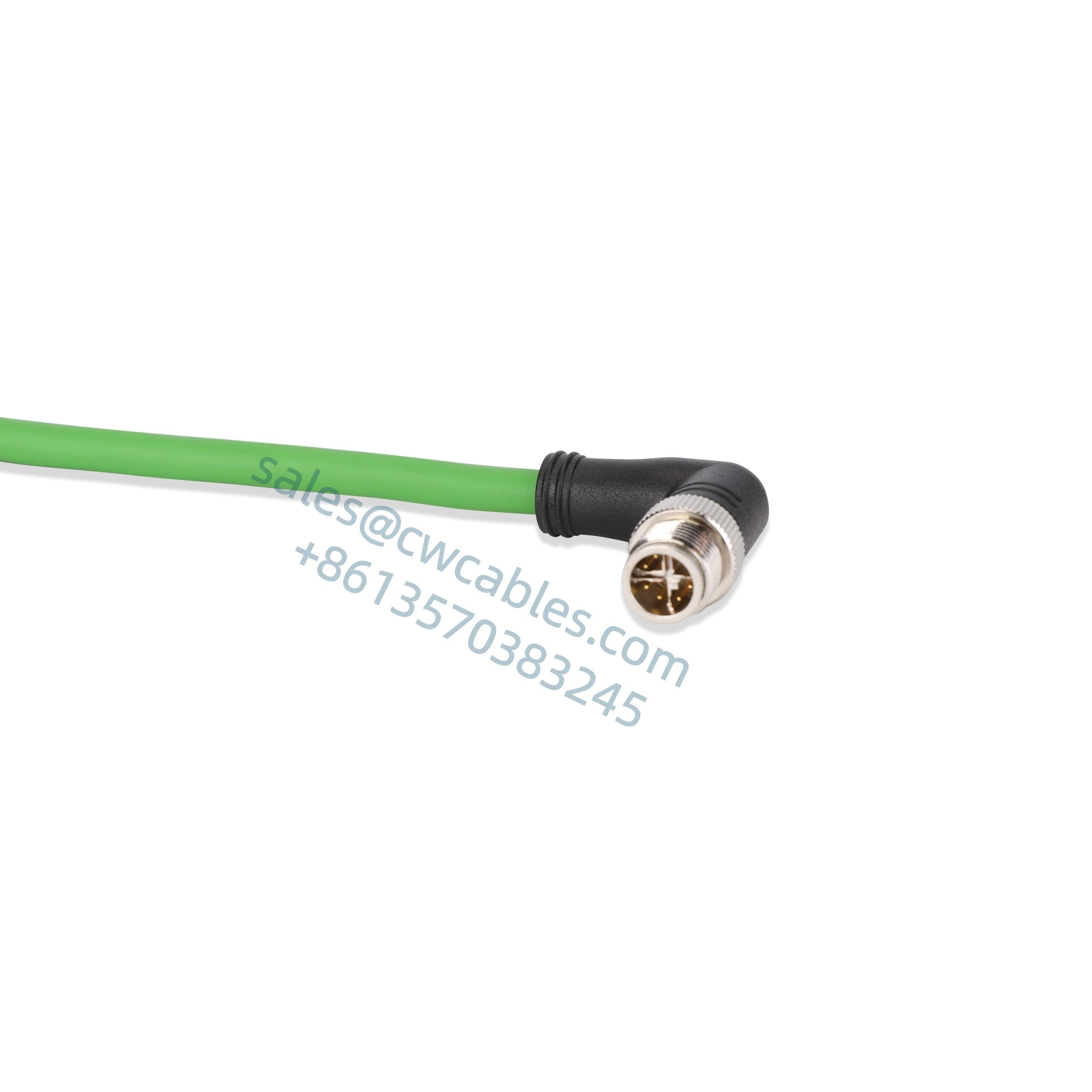

Don’t choose the wrong one! Two major misconceptions of industrial flexible Ethernet cables.
In the selection process of industrial automation projects, the industrial flexible drag chain ethernet cable, as a key component connecting the nervous system of the equipment, directly affects the stability and lifespan of the entire system. However, in practical operation, many engineers and procurement personnel often fall into some cognitive misconceptions, resulting in the selection of products that cannot meet actual working conditions, causing frequent replacement and downtime losses. These misconceptions are often hidden beneath seemingly reasonable conventional perceptions. This article aims to reveal two of the most common and costly misconceptions, helping users make more accurate decisions.
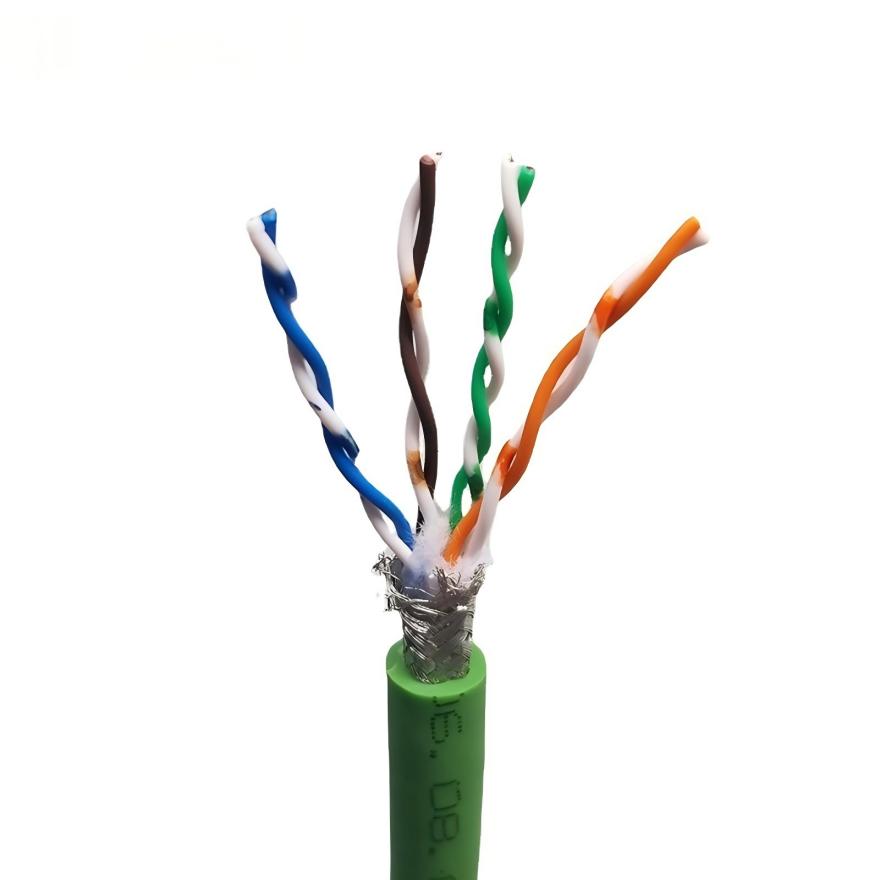
Misconception 1: Equating flexible Ethernet cable with drag chain specific Ethernet cable
The first and most fundamental misconception is the confusion between the concepts of “flexibility” and “drag chain specific”. Flexible ethernet cables include drag chain ethernet cables, but they are not equivalent to drag chain cables. There are a large number of cables on the market that are labeled as “flexible” and can be easily bent with a soft touch, but this only represents their good static bending performance. The environment inside industrial drag chains is dynamic and reciprocating, and the requirements for cables far exceed ordinary flexibility. The design core of industrial flexible drag chain cables is anti bending fatigue. Its internal conductor is usually made up of extremely thin copper wires twisted multiple times, forming a special bundle or layered twisted structure. This structure can evenly distribute stress to each thin wire in millions of bends, avoiding metal fatigue fracture caused by stress concentration.
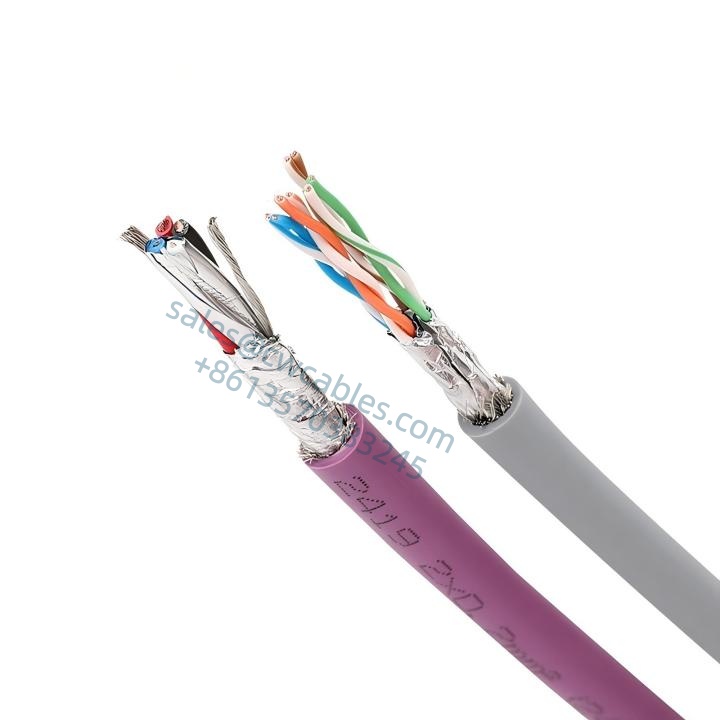
In addition, in order to withstand the axial tension generated during the movement of the drag chain, the real drag chain ethernet cable will have high-strength tensile fibers, such as aramid yarn, embedded inside to protect the core wire from being stretched. Ordinary flexible network cable lack these specialized structural designs. If they are used in drag chains, even if they appear normal at the beginning, signal attenuation or even disconnection may occur in a short period of time due to internal structural damage, and their lifespan is far from that of dedicated drag chain cables.
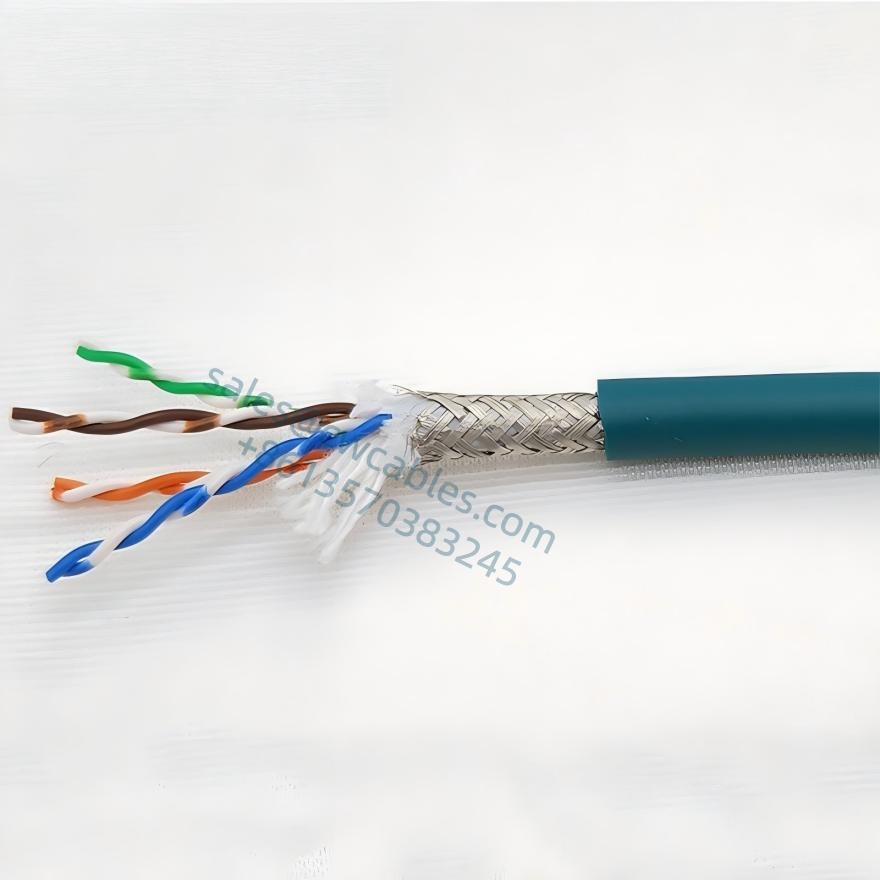
Misconception 2: Neglecting the decisive influence of the environment on the material of the outer sheath of flexible Ethernet cables
The second common misconception is to only focus on the structural performance of flexible ethernet cables, while ignoring the decisive impact of the use environment on the outer sheath material. Many users confirm whether the flexible network cable is specifically designed for drag chains when selecting, but default to choosing a lower priced PVC material sheath, which poses a hidden danger for subsequent failures.
PVC is a universal material that performs well in dry, clean, and oil-free indoor environments, but its oil resistance, chemical corrosion resistance, hydrolysis resistance, and low-temperature toughness are relatively limited. In many industrial scenarios, such as CNC machine tools, machining centers, or food processing lines, cutting fluids, lubricants, or cleaning agents are inevitably present in the environment. These substances will continue to corrode the PVC sheath, causing it to harden, crack, and ultimately lose protection for the internal structure. Similarly, in outdoor port equipment or low-temperature cold storage, ordinary PVC will become stiff and its bending performance will sharply decrease.