

A crane cable’s breaking strain is the maximum load the cable can withstand before failure, and it is one of the most important safety values in lifting operations. Selecting the correct crane cable or crane power cable requires understanding working load limits, safety factors, cable construction, environment, and regulatory requirements. At cwcables, we recommend treating breaking strain as a design limit, not an operating target.
What does crane cable breaking strain mean?
Crane cable breaking strain means the maximum tensile force a cable can bear before it snaps under controlled test conditions. It is not the same as the safe working load. In real lifting applications, engineers apply safety factors so the crane cable operates far below its rated breaking point.
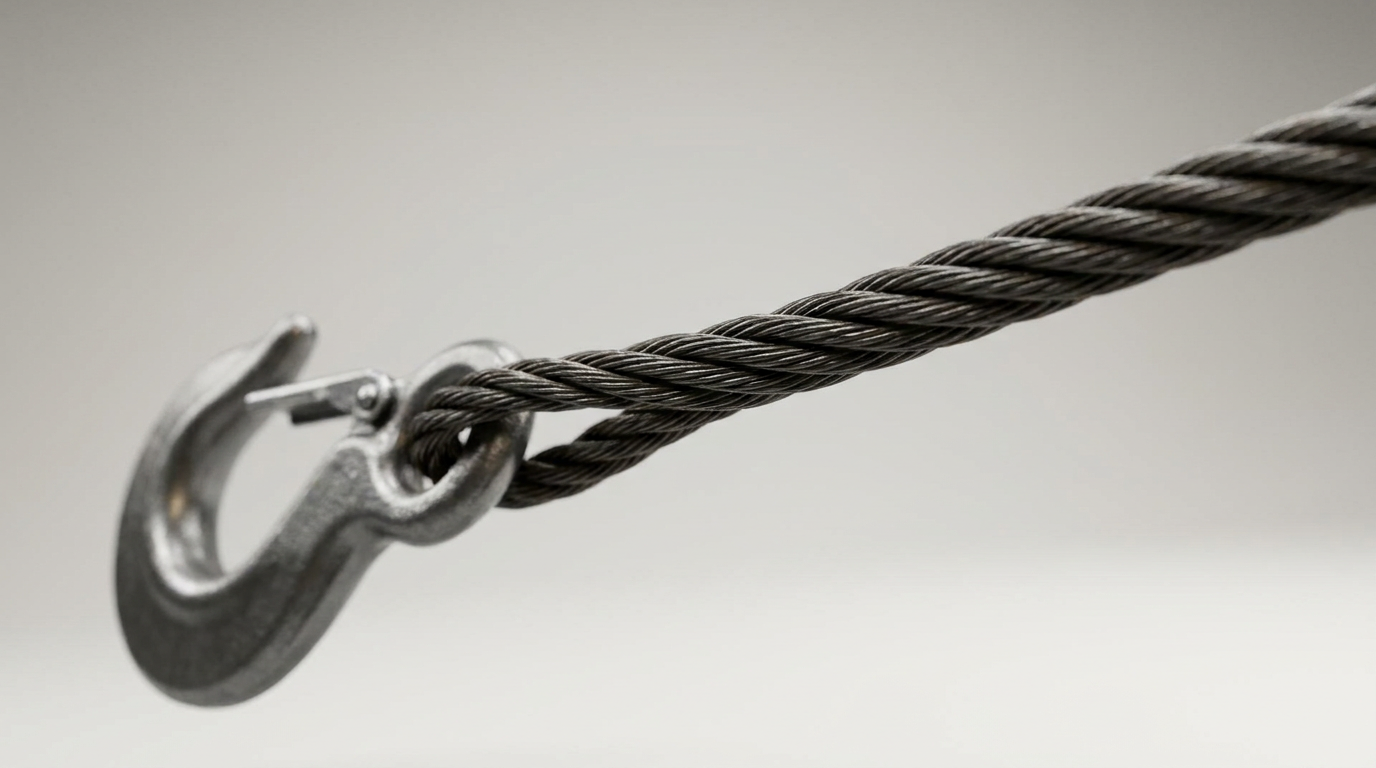
Breaking Strain vs. Safe Working Load
Breaking strain is a laboratory-tested or manufacturer-rated value that represents ultimate cable strength. In practice, cranes should never operate near this value because dynamic loading, shock loads, bending fatigue, corrosion, and wear can significantly reduce cable performance.
Based on our internal data and market analysis, here is the breakdown:
| Term | Meaning | Practical Use |
|---|---|---|
| Breaking strain | Maximum force before cable failure | Engineering reference limit |
| Safe working load | Allowable operating load after safety factor | Daily lifting limit |
| Safety factor | Ratio between breaking strain and working load | Protects against overload and fatigue |
| Dynamic load | Extra force from movement or sudden stops | Must be considered in crane operation |
| Inspection limit | Wear or damage threshold requiring replacement | Prevents unsafe operation |
For example, if a crane cable has a breaking strain of 50 kN and a 5:1 safety factor is required, the safe working load would typically be limited to 10 kN. This margin is essential because cranes rarely lift under perfectly static conditions.
cwcables Pro Tip: I always advise customers to size crane cables based on real operating conditions, not just the load weight printed on the hook. Acceleration, bending radius, temperature, and cable wear can all reduce usable strength.
How does crane cable breaking strain work?
Breaking strain works by defining the tensile limit of a crane cable before structural failure occurs. The cable resists load through its material strength, conductor or wire arrangement, insulation system, and construction design. Once the applied force exceeds the cable’s ultimate capacity, permanent deformation or rupture can occur.
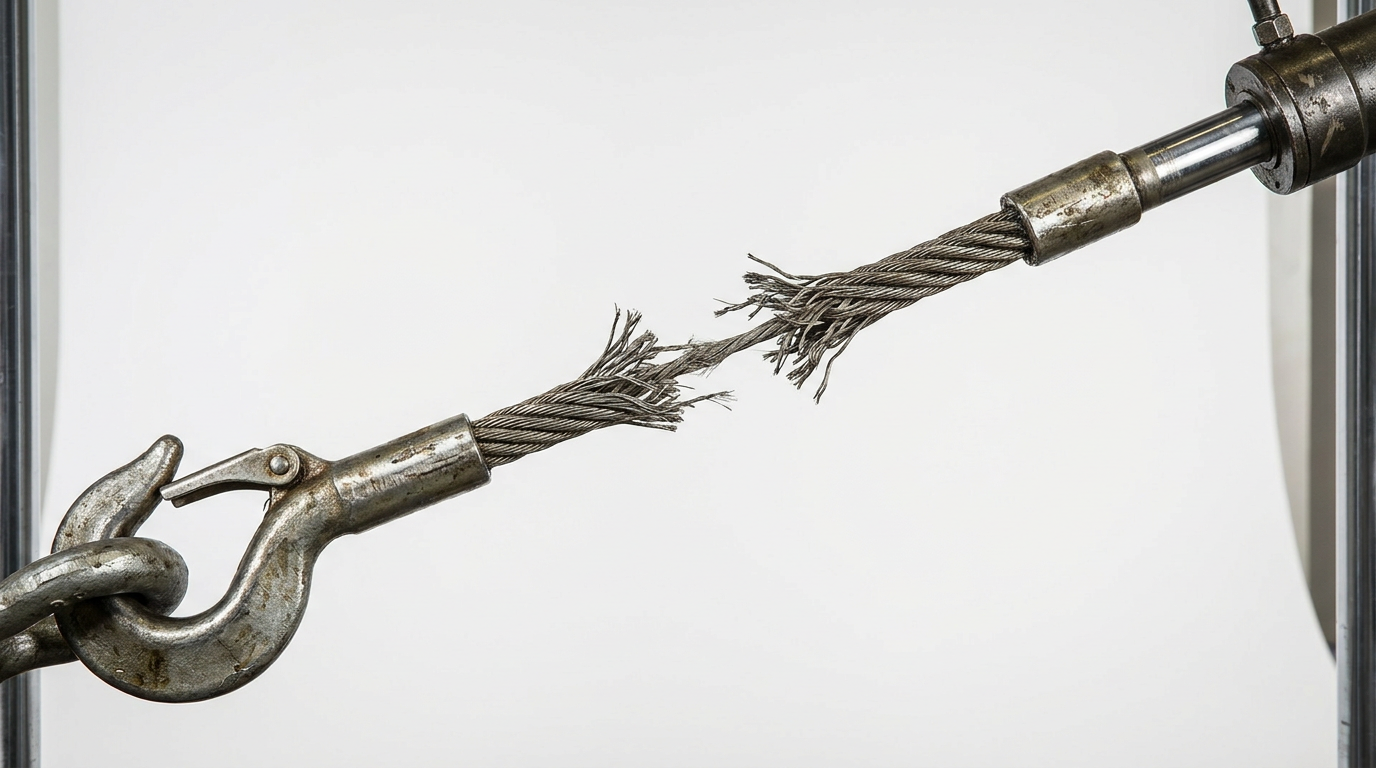
Load Resistance Mechanism
A crane cable carries force through its internal structure. For steel wire rope, the load is shared by multiple strands. For a crane power cable, the design must also handle electrical performance, flexibility, torsion, abrasion, and mechanical stress from repeated movement.
Key working principles include:
- Tensile strength: The base material determines how much pulling force the cable can withstand.
- Cable construction: Strand count, conductor class, braid, sheath, and reinforcement affect load resistance.
- Load distribution: A well-designed cable spreads force evenly across its structure.
- Safety factor: The rated operating load is reduced below the breaking strain to prevent failure.
- Fatigue resistance: Repeated bending and movement reduce effective strength over time.
- Environmental protection: UV, oil, moisture, heat, and chemicals can degrade the sheath or metallic elements.
For crane power cable applications, mechanical performance is only one part of the design. The cable must also maintain stable electrical conductivity while moving, flexing, coiling, or hanging vertically.
cwcables Pro Tip: When we help customers choose a crane power cable, I check both tensile requirements and movement pattern. A cable that looks strong on paper can fail early if it is not designed for reeling, festooning, or vertical suspension.
What are the benefits of specifying proper crane cable breaking strain?
Specifying the correct breaking strain improves lifting safety, extends cable life, reduces unplanned downtime, and protects operators, equipment, and cargo. It also helps ensure compliance with crane standards and prevents the common mistake of selecting a cable based only on diameter or price.
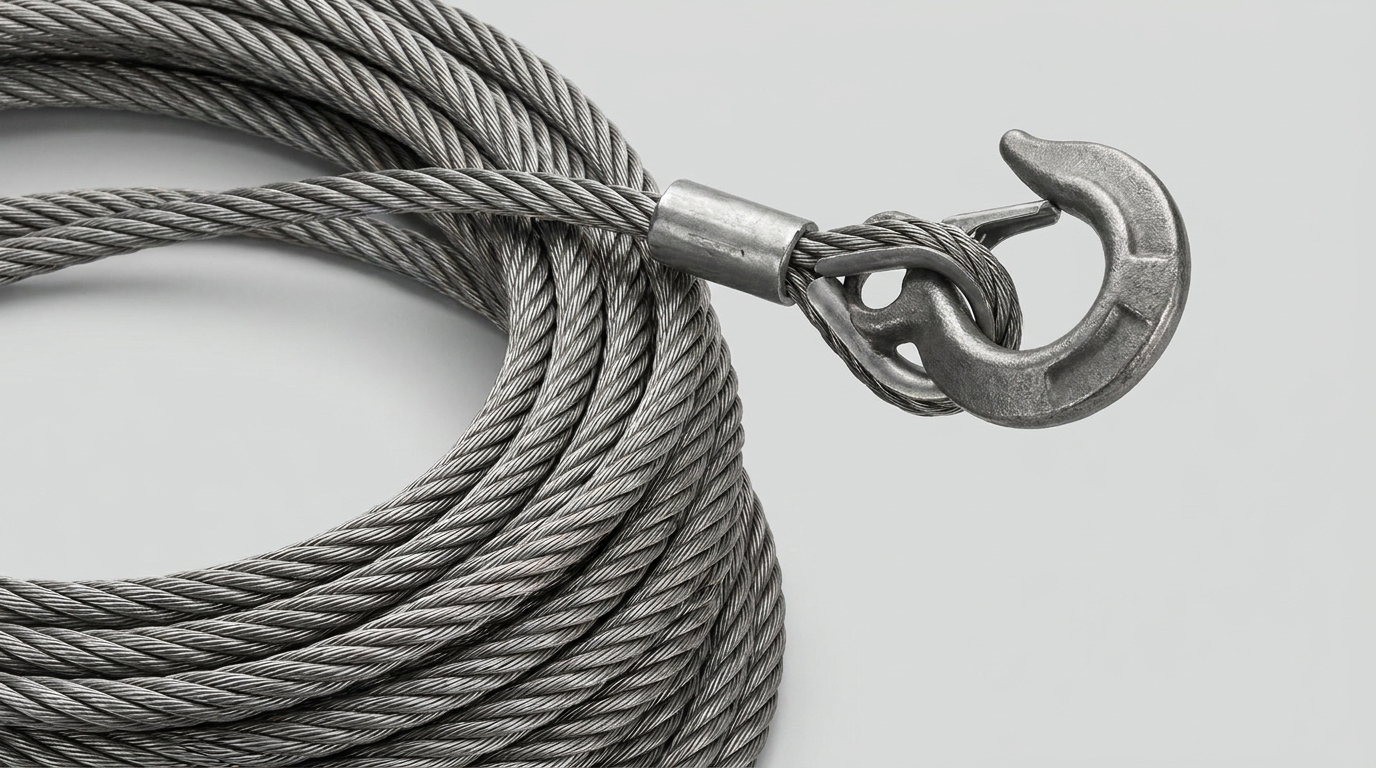
Safety and Performance Advantages
Correctly matching the cable rating to the crane application creates a safer and more predictable lifting system. It also helps maintenance teams plan inspections and replacements before cable degradation becomes dangerous.
Main benefits include:
- Improved safety margin: Prevents operation too close to cable failure limits.
- Longer service life: Reduces fatigue, overstress, and premature sheath damage.
- Better uptime: Minimizes emergency shutdowns caused by cable faults.
- More reliable lifting: Maintains predictable performance under repeated load cycles.
- Regulatory confidence: Supports compliance with workplace and lifting equipment rules.
- Lower lifecycle cost: Reduces replacement frequency and damage to connected equipment.
- Application matching: Ensures the crane cable suits movement type, load, and environment.
For industrial crane systems, the cost of cable failure is usually much higher than the cost of choosing a properly rated cable at the start.
cwcables Pro Tip: I recommend reviewing cable rating whenever a crane’s duty cycle changes. If the crane starts lifting heavier loads or operating more frequently, the original cable specification may no longer be suitable.
How should crane cable breaking strain be maintained?
Breaking strain itself cannot be “maintained” after manufacture, but the cable’s usable strength can be preserved through inspection, correct handling, proper installation, lubrication where applicable, and timely replacement. Damage, corrosion, kinking, heat exposure, and excessive bending can all reduce the cable’s effective strength.
Inspection and Maintenance Checklist
Routine maintenance is essential because a cable may look serviceable while already having reduced load capacity. Maintenance should follow the manufacturer’s instructions, crane duty class, and site safety procedures.
Recommended maintenance steps:
- Inspect visually before operation
Look for broken wires, cuts, abrasion, flattening, swelling, crushed sections, exposed conductors, or sheath cracks. - Check termination points
Examine clamps, sockets, glands, plugs, reels, and strain relief components for loosening or deformation. - Monitor bending radius
Avoid sharp bends because they concentrate stress and accelerate fatigue. - Control twisting and kinking
Twisted crane cable can develop internal stress and uneven load sharing. - Protect against chemicals and heat
Oil, solvents, welding sparks, and high temperatures can weaken insulation or metallic elements. - Verify reel or festoon alignment
Poor tracking can cause abrasion, side loading, and premature failure. - Record inspection results
Maintenance logs help identify recurring problems before they become safety hazards. - Replace when limits are reached
Do not continue using a cable that has exceeded wear, damage, or service-life criteria.
For crane power cable, electrical testing may also be needed, including insulation resistance, continuity, and sheath integrity checks.
cwcables Pro Tip: I never suggest “repairing” a heavily damaged crane cable for continued lifting or power service. If the cable structure is compromised, replacement is usually the safer and more economical decision.
What is the price of crane cable rated for breaking strain?
The price depends on cable type, breaking strain requirement, conductor size, insulation material, flexibility class, shielding, length, certifications, and application environment. A standard crane power cable may cost far less than a custom heavy-duty cable designed for high tensile load, reeling, torsion, oil resistance, or extreme temperatures.
Pricing Variables
Cable cost is influenced by both mechanical strength and electrical specification. A low-cost cable may be acceptable for light-duty static use, but not for high-cycle crane operations.
Based on our internal data and market analysis, here is the breakdown:
| Buying Factor | Price Impact | Why It Matters |
|---|---|---|
| Higher breaking strain | High | Requires stronger materials or reinforced construction |
| Larger conductor size | High | More copper or alloy content increases cost |
| Flexible conductor class | Medium to high | Improves bending life in moving systems |
| PUR or rubber sheath | Medium | Adds abrasion, oil, and weather resistance |
| Shielding or screening | Medium | Protects signals or power quality |
| Custom length | Variable | Affects material, packaging, and logistics |
| Certification requirements | Medium | Testing and compliance add cost |
| Harsh environment rating | Medium to high | Requires specialized compounds and construction |
For accurate pricing, the supplier should know the load, voltage, crane type, travel distance, bending radius, duty cycle, and operating environment.
cwcables Pro Tip: When customers ask for price, I first ask how the cable moves. A cable used on a reel, festoon, hoist, or trolley may need different construction even if the electrical rating looks identical.
Key Features & Comparison
The best crane cable selection balances breaking strain, flexibility, durability, electrical rating, and environmental resistance. A cable with high tensile strength is valuable, but it must also match the crane’s motion system, duty cycle, and installation method to avoid premature failure.
Crane Cable Feature Comparison
Based on our internal data and market analysis, here is the breakdown:
| Feature | Standard Crane Cable | Heavy-Duty Crane Cable | Crane Power Cable |
|---|---|---|---|
| Main purpose | General lifting or control support | High-load, high-cycle crane duty | Power supply to moving crane equipment |
| Breaking strain focus | Moderate | High | Depends on suspension and movement needs |
| Flexibility | Medium | High | High for reeling or festoon systems |
| Abrasion resistance | Basic to medium | High | Medium to high |
| Electrical function | Optional or limited | Optional | Primary requirement |
| Typical sheath | PVC, rubber, or similar | Rubber, PUR, or reinforced sheath | Rubber, PUR, or special compound |
| Best use | Light to medium crane service | Industrial hoists, ports, steel plants | Gantry cranes, overhead cranes, hoists |
| Cost level | Lower | Higher | Variable by conductor size and design |
A suitable crane cable should be selected as a complete system component, not as a simple commodity. The strongest option is not always the best if it is too stiff, too heavy, or incompatible with the crane’s cable management system.
cwcables Pro Tip: I recommend comparing cable options by total operating cost, not purchase price alone. A more durable crane power cable can reduce downtime, service calls, and replacement labor.
Cost & Buying Factors
Buying a crane cable requires evaluating mechanical load, electrical demand, operating motion, installation method, and site environment. The lowest-cost cable may not provide the safest or longest-lasting result, especially where repeated bending, vertical suspension, oil exposure, or outdoor operation is involved.
Practical Buying Guide
Before purchasing, define the technical requirements clearly. This helps avoid under-specification and unnecessary over-spending.
Key buying factors include:
- Required working load and safety factor
- Rated breaking strain or tensile support requirement
- Voltage and current rating for crane power cable
- Number and size of conductors
- Cable travel length and hanging length
- Reeling, festooning, pendant, or trolley movement
- Minimum bending radius
- Oil, UV, water, abrasion, and temperature exposure
- Shielding or control signal requirements
- Compliance with local crane and electrical standards
- Supplier testing, documentation, and traceability
For cwcables projects, the most accurate quotation usually comes from a complete application profile rather than a single cable size request.
cwcables Pro Tip: I suggest sending photos or drawings of the crane cable route before ordering. Installation layout often reveals hidden issues such as tight bends, pinch points, or unsupported hanging sections.
Conclusion
Crane cable breaking strain is a critical safety and design value, but it should always be used with proper safety factors and application-specific engineering judgment. The right cable protects people, equipment, and productivity while delivering reliable performance throughout the crane’s service life.
Final Selection Advice
A safe crane cable specification should combine tensile strength, electrical performance, flexibility, sheath durability, and installation compatibility. Whether you need a general crane cable or a specialized crane power cable, the final choice should reflect real operating conditions rather than only nominal load data.
Recommended next steps:
- Confirm the crane type and duty cycle.
- Calculate working load and required safety factor.
- Identify cable movement type and bending radius.
- Define voltage, current, and conductor requirements.
- Check environmental exposure risks.
- Request technical support and documentation from a qualified supplier.
- Inspect and maintain the cable regularly after installation.
For demanding lifting and power applications, cwcables can help match cable construction to safety, durability, and performance requirements.
cwcables Pro Tip: If you are unsure whether your current cable is correctly rated, I recommend checking it before increasing load or duty cycle. A quick specification review can prevent serious equipment damage and safety incidents.