

Shielded twisted pair cable is primarily used in environments with high electromagnetic interference (EMI) or radio frequency interference (RFI) to ensure reliable data transmission. Common applications include industrial control systems, telecommunications, and heavy machinery operations where signal integrity is critical. By incorporating a conductive shield around the twisted pairs, these cables prevent external noise from degrading the signal, making a 2 pair twisted shielded cable ideal for complex networking layouts.
What is shielded twisted pair cable?
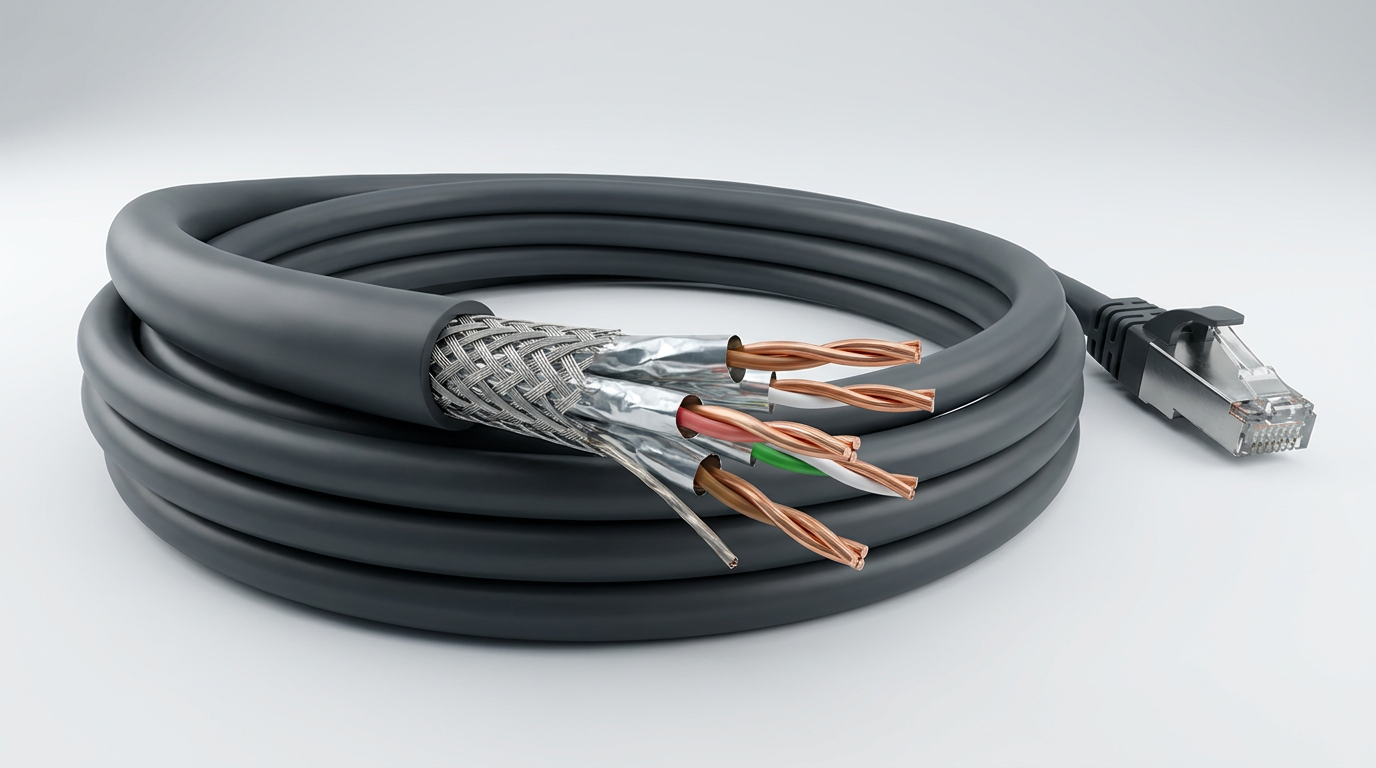
A shielded twisted pair cable (STP) is a type of copper wiring used for networking and telecommunications that features an additional layer of conductive material. This shielding wraps around the individual twisted pairs or the entire cable bundle to block external electromagnetic interference and prevent signal degradation.
Structural Composition
STP cables are meticulously engineered to provide superior protection against environmental electrical noise. Unlike unshielded variants, a shielded twisted pair cable incorporates braided copper, aluminum foil, or a combination of both to create a Faraday cage around the internal conductors.
- Conductor: Solid or stranded copper wire for signal transmission.
- Insulation: Color-coded plastic surrounding each conductor.
- Twist: Wires are twisted together to cancel out internal crosstalk.
- Shielding: Foil or braided mesh protecting against EMI/RFI.
- Outer Jacket: PVC or LSZH material for physical protection.
cwcables Pro Tip: Always ensure that your STP cable is properly grounded at one end. An ungrounded shield acts as an antenna, actually attracting more interference instead of deflecting it.
How Does shielded twisted pair cable Work?
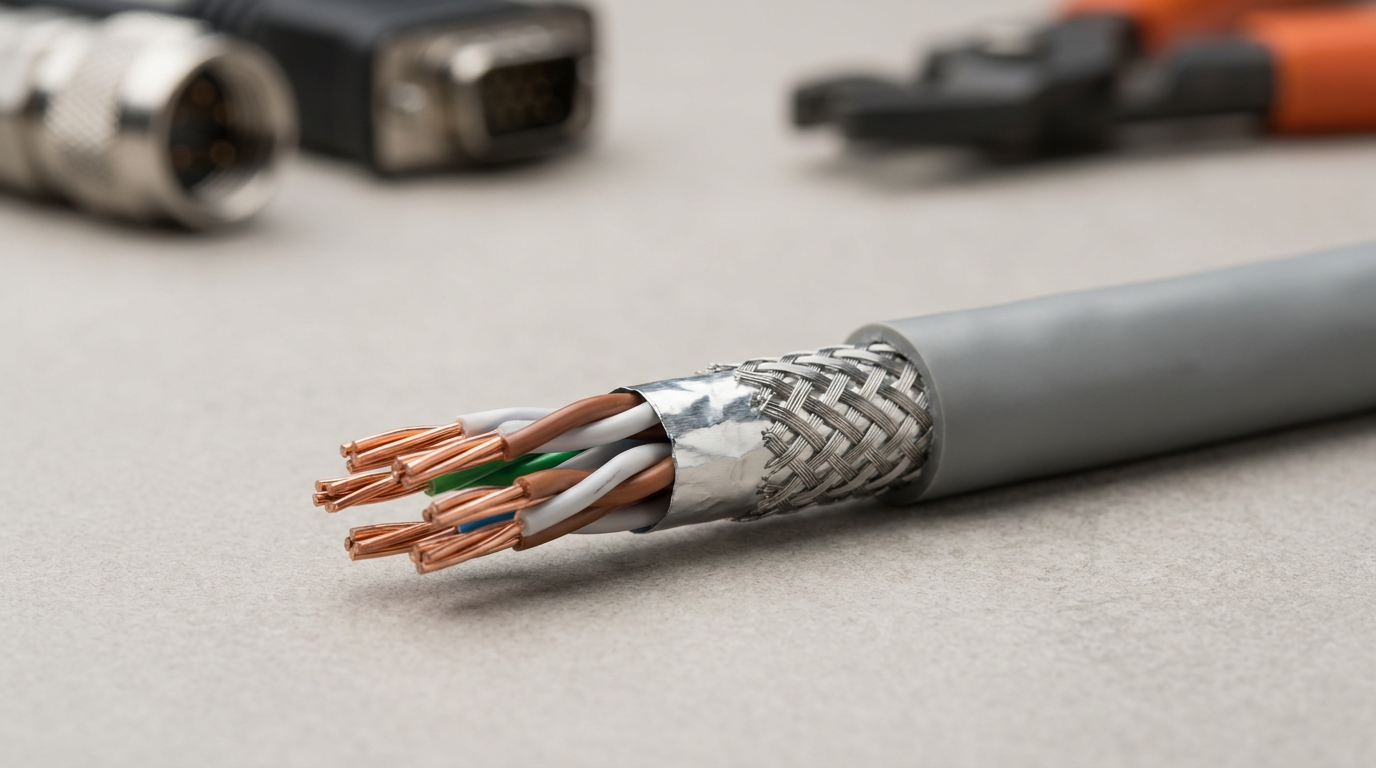
A shielded twisted pair cable works by combining two distinct electrical principles: the twisting of the internal wires cancels out internal crosstalk, while the outer conductive shield reflects or absorbs external electromagnetic interference. This dual-action mechanism ensures that data signals arrive at their destination without corruption.
Interference Mitigation Mechanisms
The effectiveness of a 2 pair twisted shielded cable relies on its ability to handle both internal and external noise. The twisting of the wires creates a balanced transmission line, which naturally rejects differential mode noise.
- Crosstalk Cancellation: The precise twisting rate of the pairs ensures that magnetic fields generated by the signals cancel each other out.
- EMI Reflection: The metallic shield reflects high-frequency electromagnetic waves away from the core conductors.
- Noise Absorption: The shield absorbs low-frequency interference and safely directs it to the ground via the drain wire.
cwcables Pro Tip: When terminating the cable, keep the untwisted portion of the pairs as short as possible (under 0.5 inches) to maintain the integrity of the crosstalk cancellation.
What are the benefits of shielded twisted pair cable?
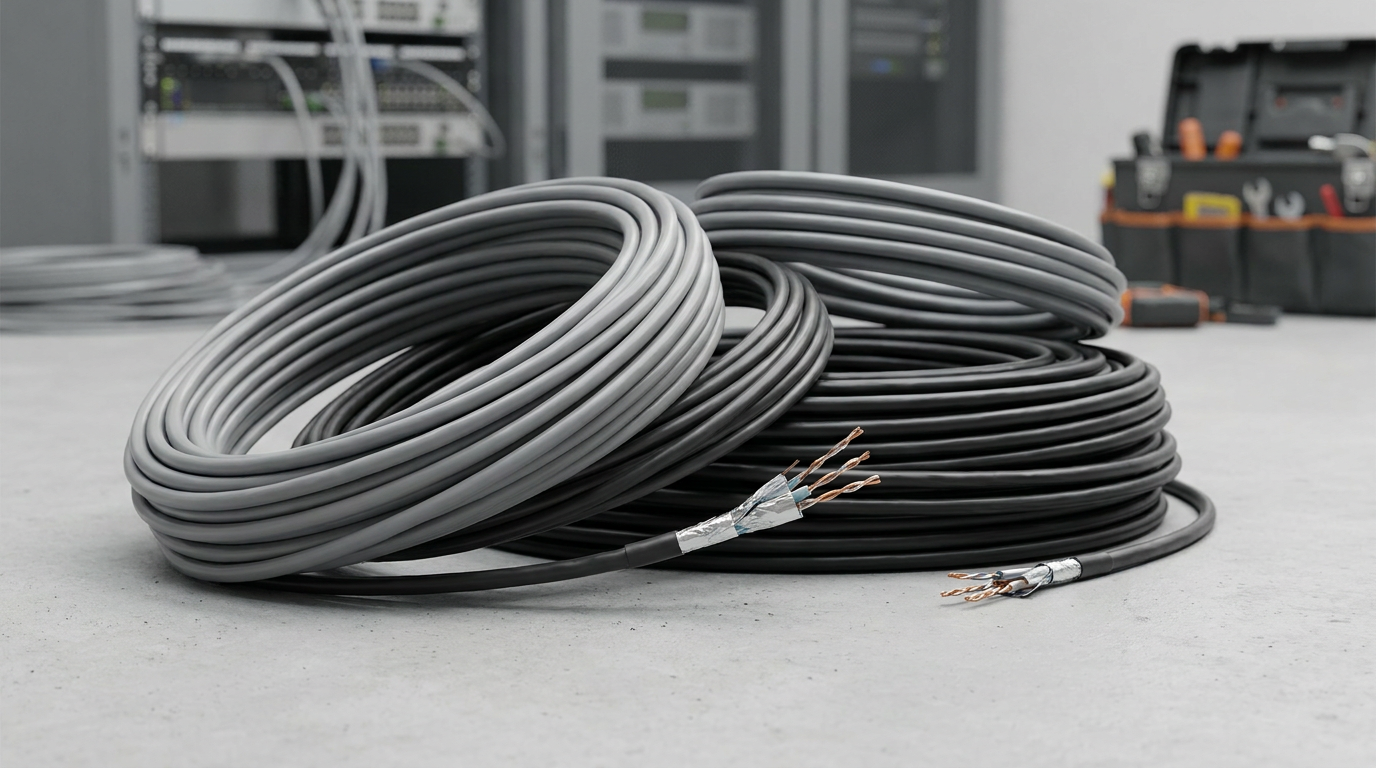
The primary benefits of a shielded twisted pair cable include maximum protection against electromagnetic interference, higher data transmission speeds, and enhanced security. These cables are essential for industrial environments, preventing data loss and ensuring stable network performance even near heavy electrical machinery.
Performance Advantages
Investing in STP cabling provides significant long-term advantages for enterprise and industrial networks. The shielding not only protects the data but also extends the operational lifespan of the network infrastructure.
Based on our internal data and market analysis, here is the breakdown:
| Benefit | Description | Impact on Network |
|---|---|---|
| EMI/RFI Immunity | Blocks external electrical noise. | Prevents packet loss and signal degradation. |
| Reduced Crosstalk | Isolates individual wire pairs. | Allows for higher bandwidth and faster speeds. |
| Data Security | Contains signal emissions within the cable. | Prevents unauthorized wireless data interception. |
cwcables Pro Tip: Use a 2 pair twisted shielded cable for industrial sensor wiring or serial communications where space is limited but interference protection is absolutely non-negotiable.
How to maintain a shielded twisted pair cable?
Maintaining a shielded twisted pair cable involves regular visual inspections for jacket damage, verifying that the grounding connections remain secure, and ensuring the cable is not bent beyond its minimum bend radius. Proper maintenance prevents shield fracturing and sustains optimal signal protection over time.
Best Practices for Cable Longevity
Routine maintenance is crucial for keeping the shielding intact. Physical stress can tear the internal foil or break the braided mesh, instantly compromising the cable’s EMI defenses.
- Monitor Bend Radius: Never bend the cable tighter than 4 times its outer diameter to prevent internal shield tearing.
- Check Grounding: Periodically test the continuity of the drain wire to the grounding point.
- Inspect Outer Jackets: Look for abrasions, chemical exposure, or heat damage in industrial settings.
- Manage Tension: Avoid over-tightening zip ties, which can crush the shielding and alter the twist rate.
cwcables Pro Tip: Instead of standard zip ties, use hook-and-loop (Velcro) straps for cable management. This prevents accidental crushing of the internal foil shield during installation and maintenance.
What is the price of shielded twisted pair cable?
The price of a shielded twisted pair cable typically ranges from $0.20 to $1.50 per foot, depending on the category (Cat5e, Cat6, Cat6a), the type of shielding (foil vs. braided), and the jacket material. Specialized industrial or direct-burial variants will fall on the higher end of this spectrum.
Cost Determinants
Pricing for STP cables is influenced by the raw materials used and the specific manufacturing standards required for the intended application. A simple 2 pair twisted shielded cable for basic control wiring will cost significantly less than a 10G-rated Cat6a S/FTP cable.
Based on our internal data and market analysis, here is the breakdown:
| Cable Type | Shielding Type | Estimated Cost per 1000ft |
|---|---|---|
| Cat5e F/UTP | Foil Shield | $150 – $250 |
| Cat6 F/UTP | Foil Shield | $200 – $350 |
| Cat6a S/FTP | Braided + Foil | $350 – $500 |
| 2 Pair Control Cable | Foil with Drain Wire | $100 – $200 |
cwcables Pro Tip: Don’t just budget for the cable itself. Remember to factor in the cost of shielded RJ45 connectors and metal patch panels, which are required to maintain the grounding circuit end-to-end.
Key Features & Comparison
Understanding the key features of shielded cables helps in selecting the right infrastructure. The main distinction lies in the type of shielding applied—whether it is an overall foil shield, individual pair shielding, or a combination of braided mesh and foil for maximum protection.
Shielding Acronyms Explained
The ISO/IEC 11801 standard defines how shielded cables are named. The format is usually “Overall Shield / Pair Shield”. Understanding these features is critical for matching the cable to your environmental EMI levels.
Based on our internal data and market analysis, here is the breakdown:
| Acronym | Overall Shield | Individual Pair Shield | Best Application |
|---|---|---|---|
| F/UTP | Foil | None | Basic office environments with moderate EMI. |
| U/FTP | None | Foil | High crosstalk environments, data centers. |
| S/FTP | Braided Mesh | Foil | Heavy industrial, medical imaging facilities. |
cwcables Pro Tip: If you are running cables near heavy motors or variable frequency drives (VFDs), always opt for S/FTP. The braided mesh provides superior protection against low-frequency interference compared to foil alone.
Cost & Buying Factors
When purchasing a shielded twisted pair cable, buyers must evaluate factors beyond just the initial price per foot. Key buying considerations include the required bandwidth, environmental hazards, jacket ratings (plenum vs. riser), and the compatibility of the cable with existing grounding infrastructure.
Procurement Checklist
Selecting the right cable requires a holistic view of your network’s physical environment and future bandwidth requirements.
- Environmental Rating: Choose Plenum (CMP) for drop ceilings, Riser (CMR) for vertical shafts, or Outdoor/Direct Burial for exterior runs.
- Bandwidth Needs: Select Cat6a for 10-Gigabit speeds, or a standard 2 pair twisted shielded cable for low-speed serial data.
- Flexibility: Solid conductors are best for permanent wall runs, while stranded conductors are required for flexible patch cables.
- Grounding Hardware: Ensure you have the correct shielded keystones and patch panels to complete the installation.
cwcables Pro Tip: Buying in bulk (1000ft spools) significantly reduces the cost per foot. However, ensure you purchase a spool with a wooden or heavy-duty plastic flange, as shielded cable is heavier and can easily break cheap cardboard spools during pulling.
Conclusion
A shielded twisted pair cable is an indispensable component for any network exposed to high levels of electromagnetic interference. By understanding its construction, benefits, and proper installation techniques, you can ensure a robust, secure, and high-performing data infrastructure for years to come.
Final Thoughts on Shielded Cabling
Whether you are wiring a manufacturing plant, a hospital, or a high-density data center, the right shielding makes all the difference. While the initial investment and installation complexity are higher than unshielded alternatives, the prevention of network downtime and data corruption provides a rapid return on investment.
- Assess your EMI/RFI exposure before purchasing.
- Always prioritize proper end-to-end grounding.
- Match the cable category to your long-term bandwidth goals.
cwcables Pro Tip: Ready to upgrade your network infrastructure? Explore our premium selection of shielded cables to find the perfect solution for your most demanding environments, ensuring your data stays protected and lightning-fast.