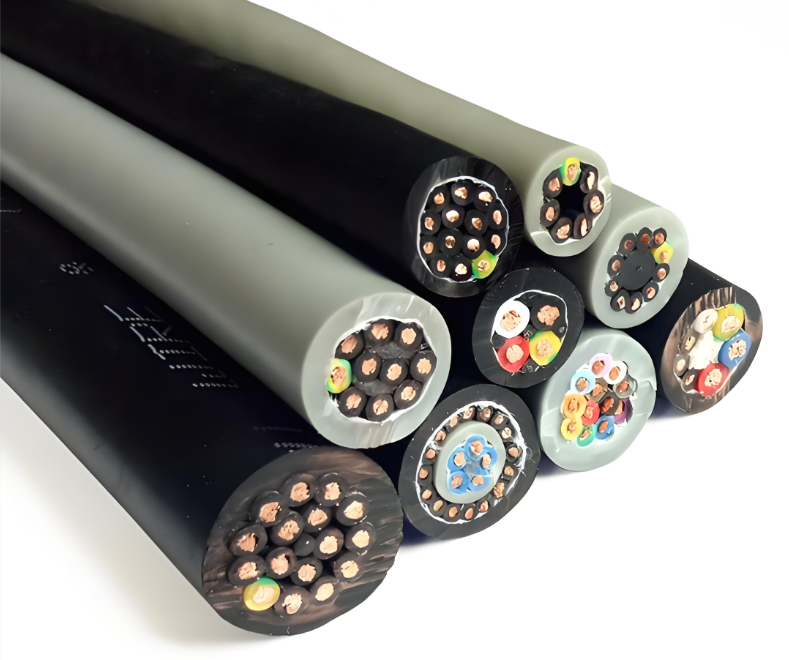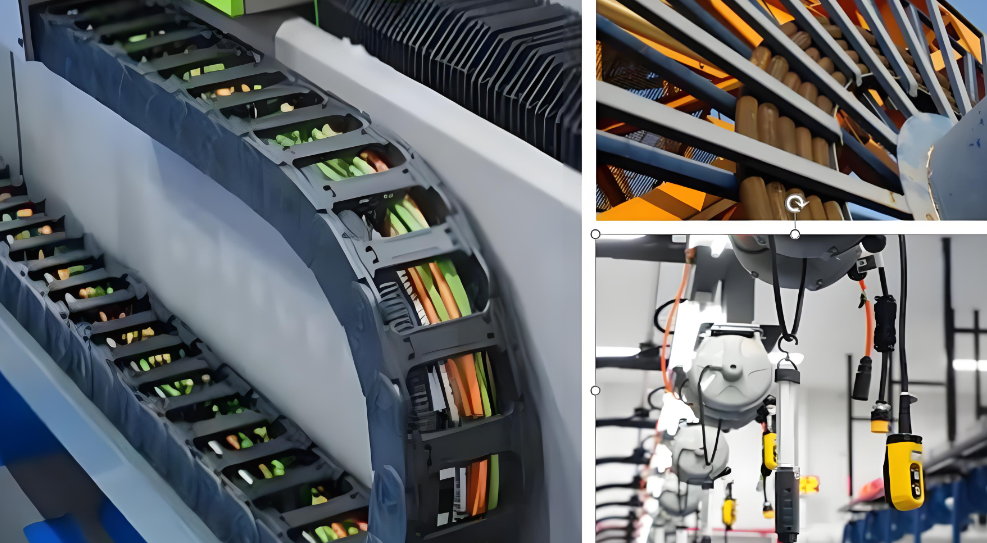

Flexible cable is an electrical wiring assembly with high flexibility and bending performance, commonly used in applications requiring frequent movement or operation in confined spaces. Compared to traditional cables, 플렉스 와이어 are more suitable for environments with complex conditions, space constraints, or frequent relocation needs.
With the development of industrial automation today, more and more occasions require the use of flexible cables, which often require frequent bending and twisting of cables. For ordinary cables designed specifically for static applications, this is a problem. Under repeated bending, these cables will age due to various factors.
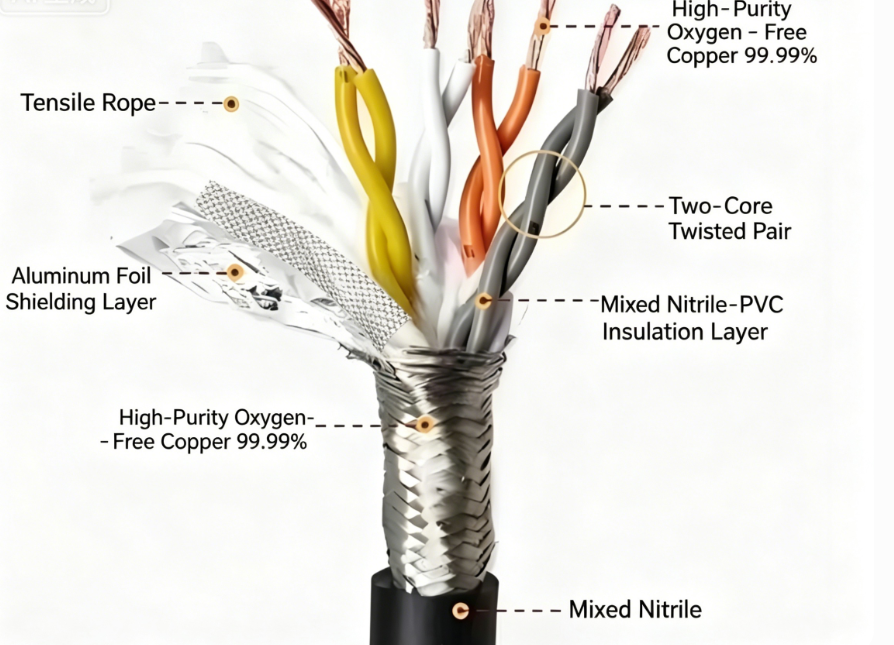
Ordinary cable sheaths may be damaged due to wear and tear from cable management systems or other environmental factors. The insulation layer and sheath material may crack or break due to repeated stretching. Conductors and shielding layers may break, especially in complex motion applications that require continuous bending of cables.In harsh environments, wear and tear or corrosive materials, as well as extreme temperatures, can exacerbate this performance degradation. These environmental hazards can reduce the performance of the sheath and insulation layer, making them prone to failure.
Advantages of 유연한 케이블
Flexible cables have multiple advantages compared to traditional cables, making them highly favored in many applications. The following are the main advantages of flex wire.
1.Highly flexible
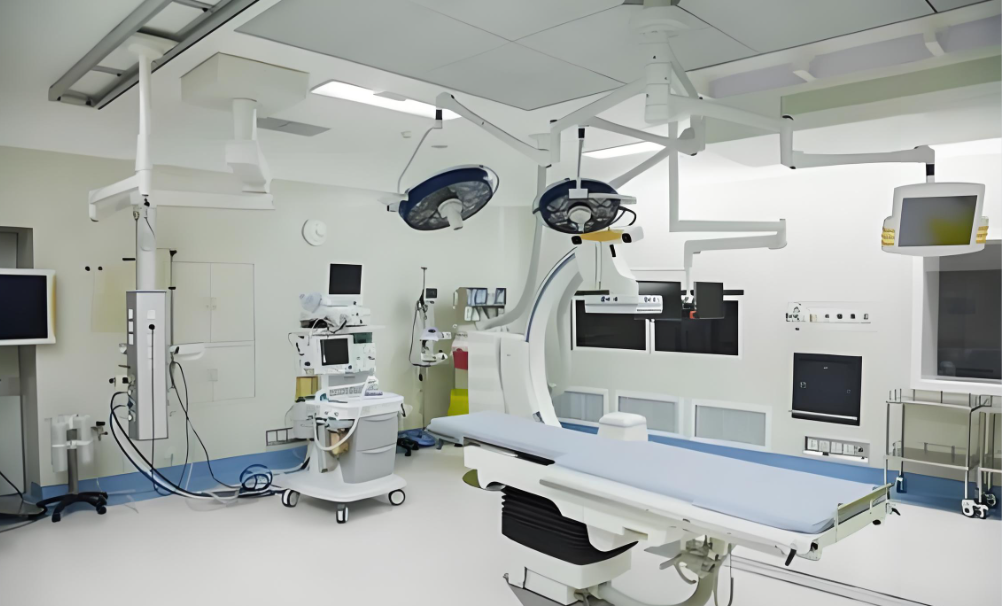
High flex cable design is flexible and can withstand significant bending without damaging the wires or insulation layer. This high flexibility makes flexible cables suitable for environments that require frequent movement or limited layout, such as robots, CNC equipment, and medical devices.
2.Anti torsion performance of 유연한 케이블
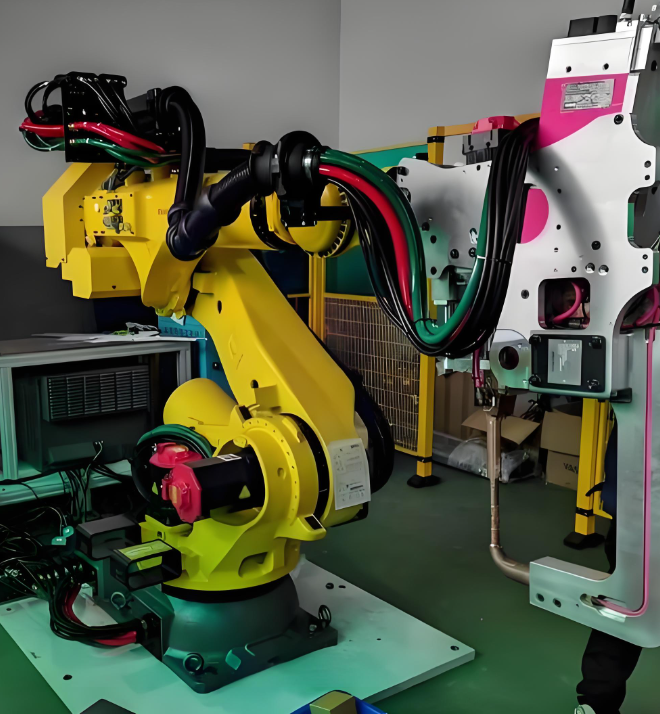
Due to the reasonable internal structure design of flexible cables, they have good anti torsion performance, which can reduce the risk of damage caused by torsion while bending. This makes the use of flexible cables more reliable in complex environments. For example, used for articulated robots.
3.Wear resistance and oxidation resistance of 유연한 와이어
Flexible cables are usually made of high-quality materials with strong wear resistance and oxidation resistance. Whether in harsh working environments or after prolonged use, flexible cables can still maintain a stable electrical connection state, extending their service life.
4.Installation flexibility of 유연한 코드
The structural design of flexible cables makes them highly flexible and adaptable to installation requirements of various shapes and sizes. This flexibility makes the installation of flexible cables more convenient in narrow spaces or winding environments.
5.Reliability of Flexible Cables
Due to strict manufacturing processes and quality control, the connection stability and signal transmission quality of flexible cables are guaranteed. The reliability of flexible cables is crucial in key application areas such as medical devices, aerospace, etc.
6.Flexible cables can save installation space
Flexible cables are more flexible than rigid cables and can better adapt to the layout requirements of narrow spaces. In situations where space is limited, flexible cables can effectively save space and improve the overall layout efficiency of the system.
Application of flexible cables
Flexible cables are generally divided into flexible frequency conversion cables, flexible power cables, flexible shielded twisted pair cables, 그리고 flexible servo cables. The subdivision can be divided into sensor cables, coding cables, AC 서보 모터 케이블, robot cables, cleaning cables, and 드래그 체인 케이블.