

Un RoHS cable is a cable manufactured to comply with RoHS restrictions on hazardous substances in electrical and electronic equipment. In practical terms, it is designed with compliant conductors, insulation, jackets, fillers, pigments, and additives so the finished cable can be used in markets that require safer materials, cleaner manufacturing, and proper regulatory documentation.
What is RoHS cable?
A RoHS cable is an electrical or data cable made with materials that meet RoHS limits for restricted hazardous substances such as lead, mercury, cadmium, hexavalent chromium, certain flame retardants, and specific phthalates. It is commonly required for electronics, industrial equipment, consumer products, and export-ready assemblies.
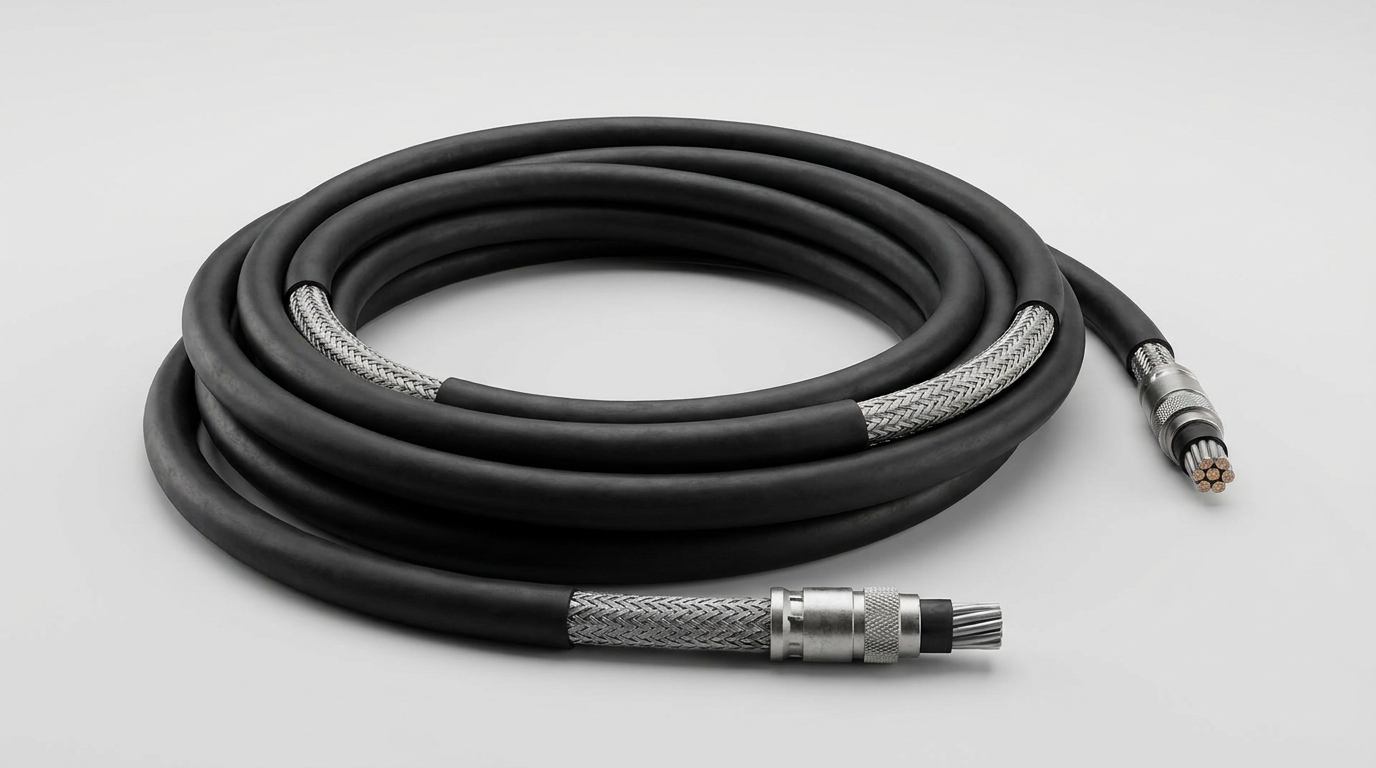
Compliance Meaning and Material Scope
RoHS stands for Restriction of Hazardous Substances. For cables, compliance is not limited to the metal conductor; it applies to the complete cable construction, including insulation, outer jacket, colorants, stabilizers, fillers, shielding materials, soldered terminations, and sometimes connector components.
A cable may look identical to a non-RoHS cable, but the difference is in the material formulation and documentation trail. Manufacturers typically verify compliance through supplier declarations, material data, test reports, and internal quality controls.
Sur la base de nos données internes et de notre analyse de marché, voici la répartition :
| Restricted Substance | Typical RoHS Limit | Where It May Appear in Cables | Pourquoi c'est important |
|---|---|---|---|
| Lead | 0.1% | Stabilizers, solder, pigments | Toxic heavy metal exposure risk |
| Cadmium | 0.01% | Pigments, plastics, coatings | Highly toxic and environmentally persistent |
| Mercury | 0.1% | Specialty components | Environmental and health hazard |
| Hexavalent Chromium | 0.1% | Platings, surface treatments | Carcinogenic and corrosion-process related |
| PBB / PBDE | 0.1% | Flame-retardant plastics | Restricted brominated flame retardants |
| DEHP, BBP, DBP, DIBP | 0.1% | Plasticizers in flexible PVC | Restricted phthalates affecting product safety |
Conseil de pro cwcables : I always recommend checking the compliance status of the entire finished cable assembly, not just the bulk cable, because connectors, heat-shrink, labels, solder, and overmold materials can also affect RoHS compliance.
How Does RoHS cable Work?
A RoHS cable works like any standard cable electrically, but it uses compliant material formulations to avoid restricted substances above legal thresholds. Its performance depends on conductor size, insulation type, shielding, jacket material, and application rating, while its compliance depends on verified materials and manufacturing controls.
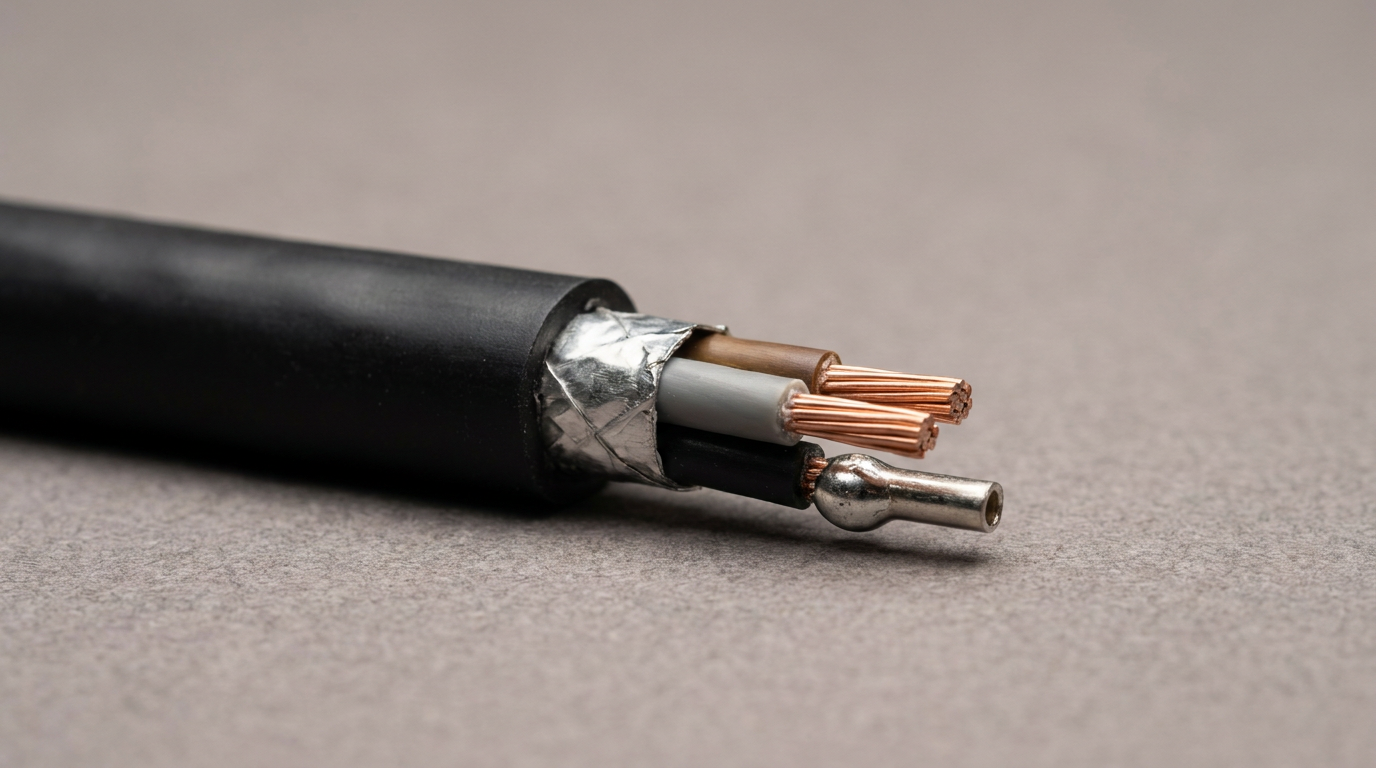
Electrical Function and Compliance Control
RoHS does not change the basic electrical principle of a cable. Current, signal, or data still travels through conductive paths, usually copper or tinned copper. Insulation prevents short circuits, jackets provide mechanical protection, and shielding reduces interférence électromagnétique when required.
The key difference is the controlled selection of materials. A RoHS cable must achieve the needed electrical, thermal, mechanical, and environmental performance without relying on restricted additives or compounds beyond permitted limits.
A typical RoHS cable compliance workflow includes:
- Material selection: Choose RoHS-compliant copper, insulation, jacket, fillers, shielding, and additives.
- Supplier verification: Collect declarations, material safety documents, and test evidence from raw material suppliers.
- Contrôle de fabrication: Prevent contamination from non-compliant materials during extrusion, cutting, stripping, soldering, or assembly.
- Testing and documentation: Use internal checks or third-party testing when required by customers, industries, or export markets.
- Traceability management: Maintain batch records, certificates, and compliance files for audits or customer requests.
Conseil de pro cwcables : I treat RoHS compliance as both a material requirement and a process requirement; even a good cable design can fail compliance expectations if the production batch cannot be traced properly.
What are the benefits of RoHS cable?
The main benefits of RoHS cable are safer material composition, easier regulatory approval, improved export readiness, reduced environmental impact, and stronger customer confidence. For manufacturers, RoHS-compliant cables also help simplify product certification and reduce the risk of rejected shipments or compliance disputes.
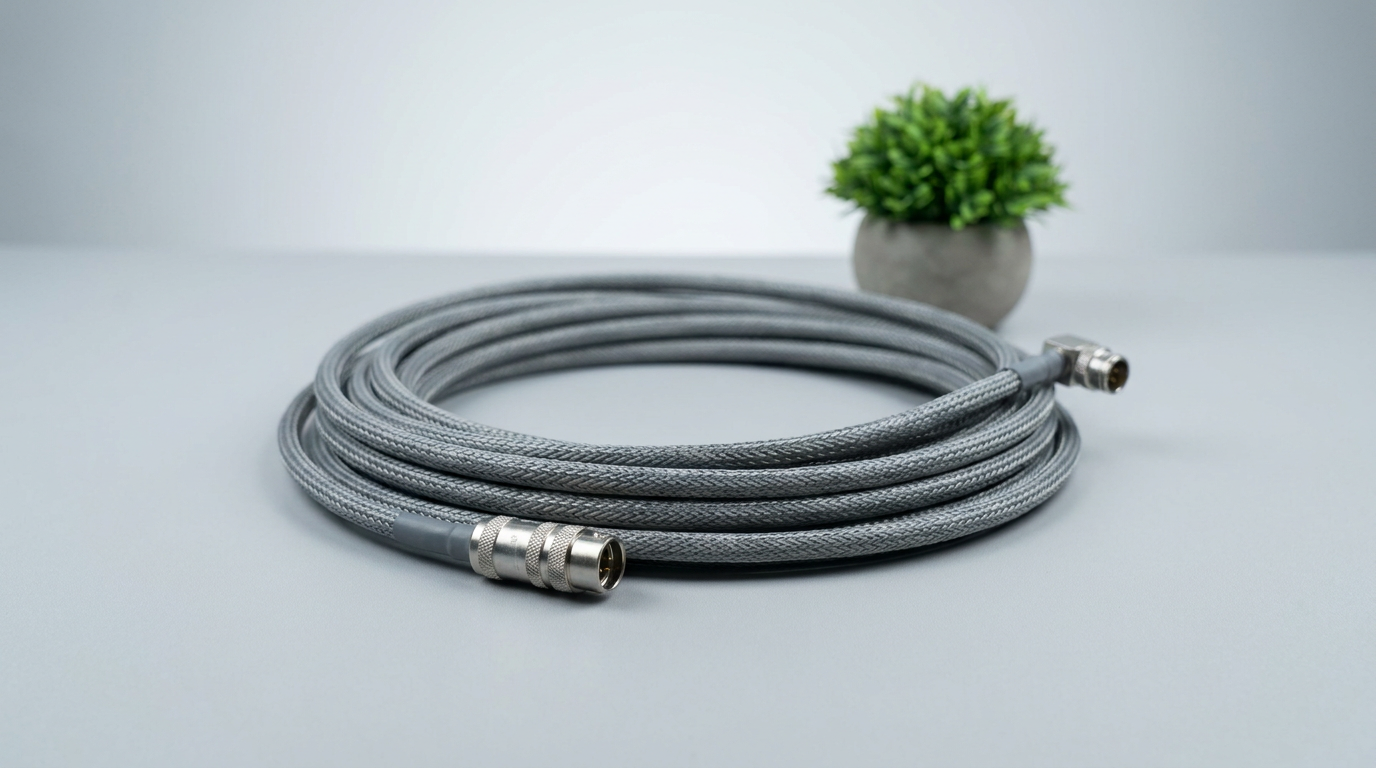
Practical Advantages for Manufacturers and Buyers
RoHS cables are especially valuable when products are sold into regions or industries with strict environmental and safety expectations. They help reduce hazardous substances in the supply chain and support responsible product design.
For buyers, the benefit is not only environmental. RoHS compliance can also protect projects from delays, failed inspections, and documentation gaps. In many electronics and industrial applications, a non-compliant cable can prevent an entire finished product from entering the market.
Les principaux avantages comprennent :
- Regulatory acceptance for products sold in RoHS-controlled markets.
- Lower environmental burden by reducing hazardous substances in cables and assemblies.
- Improved brand trust when customers require cleaner and safer material sourcing.
- Simplified supply-chain audits through documented compliance records.
- Reduced business risk from customs delays, failed product reviews, or customer rejections.
- Compatibility with broader compliance programs, y compris ATTEINDRE, Marquage CE-related documentation, and customer-specific environmental requirements.
Conseil de pro cwcables : I suggest asking for RoHS documentation before placing high-volume orders, because fixing a compliance issue after cable assembly or product integration is usually slower and more expensive.
How to maintain a RoHS cable?
Maintaining a RoHS cable involves protecting its insulation, jacket, terminations, and identification records throughout use. While RoHS compliance is based on materials, proper handling helps preserve cable performance, prevent jacket damage, avoid contamination concerns, and keep documentation available for audits or customer verification.
Handling, Storage, and Inspection Practices
RoHS cables do not require a special maintenance method simply because they are RoHS-compliant. However, they should be handled according to their electrical and mechanical ratings. Damage to the jacket, insulation, shielding, or terminations can reduce performance and create safety risks.
Good maintenance also includes preserving labels, certificates, batch numbers, and inspection records. This is important for manufacturers, installers, and distributors who may need to prove compliance later.
Étapes d'entretien recommandées :
- Store correctly: Keep cables in a dry, clean area away from excessive heat, UV exposure, chemicals, and sharp objects.
- Avoid over-bending: Follow the recommended bend radius to prevent conductor fatigue, insulation cracking, or shield damage.
- Inspect before installation: Check for cuts, crushed areas, exposed conductors, jacket discoloration, or damaged connectors.
- Utilisez un serre-câble approprié: Prevent pulling force from being transferred directly to terminals or solder joints.
- Separate incompatible chemicals: Avoid contact with solvents, oils, or cleaners that may attack the jacket material.
- Keep compliance records: Retain RoHS declarations, batch references, and purchase documentation.
Conseil de pro cwcables : I never judge cable condition by appearance alone; if a cable has been overheated, crushed, or chemically exposed, I recommend replacing it even if the jacket still looks acceptable.
What is the price of RoHS cable?
The price of RoHS cable depends on conductor material, wire gauge, insulation and jacket type, shielding, certifications, order volume, customization, and documentation requirements. RoHS compliance alone usually does not dominate the cost, but certified materials and traceable production can influence the final price.
Variables de tarification et facteurs de coûts typiques
RoHS-compliant cables can range from inexpensive standard hook-up wires to highly engineered industrial, medical, automotive, or high-speed data cables. The compliance requirement is only one part of the cost structure.
A simple RoHS cable may cost only slightly more than a non-documented alternative. However, if the buyer needs custom construction, special jacket compounds, low-smoke materials, flame ratings, shielding, molded connectors, or third-party test reports, the total cost can rise significantly.
Sur la base de nos données internes et de notre analyse de marché, voici la répartition :
| Facteur de coût | Impact sur le prix | Pourquoi cela affecte le coût |
|---|---|---|
| Matériau et taille du conducteur | Haut | Copper content and gauge strongly affect raw material cost |
| Jacket and insulation type | Moyen à élevé | PVC, TPE, TPU, XLPE, silicone, and LSZH vary widely in price |
| Blindage | Moyen | Foil, braid, drain wires, and coverage increase material and labor |
| Custom colors or printing | Faible à moyen | Requires setup, ink compatibility, and production planning |
| Connectors or overmolding | Moyen à élevé | Adds tooling, labor, testing, and assembly complexity |
| Documents de conformité | Faible à moyen | Supplier declarations, traceability, and testing require quality control |
| Quantité commandée | Haut | Larger volumes reduce unit cost through material and setup efficiency |
Conseil de pro cwcables : I recommend comparing quotes based on the same specification sheet and compliance documentation level; the cheapest cable may not be the best value if it lacks traceability or required test support.
Principales caractéristiques et comparaison
A RoHS cable should be evaluated by both performance features and compliance evidence. Important factors include conductor type, insulation material, jacket rating, shielding, flexibility, flame resistance, temperature range, application suitability, and availability of RoHS declarations or test reports from the supplier.
Comparaison des fonctionnalités pour la sélection
Choosing the right RoHS cable requires matching compliance requirements with real operating conditions. A cable used inside a consumer device has different needs than one used in robotics, outdoor equipment, industrial controls, or high-frequency data transmission.
Sur la base de nos données internes et de notre analyse de marché, voici la répartition :
| Fonctionnalité | RoHS Cable | Standard Non-Documented Cable | Considération de l'acheteur |
|---|---|---|---|
| Hazardous substance control | Designed to meet RoHS limits | May not have verified restricted substance control | Obligatoire pour les marchés réglementés |
| Documentation | Usually available by declaration or test report | Often limited or unavailable | Important for audits and exports |
| Performances électriques | Based on cable design and rating | Based on cable design and rating | RoHS does not automatically improve conductivity |
| Material traceability | Stronger when sourced from qualified suppliers | May be unclear | Critical for OEM production |
| Environmental responsibility | Better alignment with restricted substance policies | Higher compliance risk | Supports sustainable sourcing |
| Coût | Slightly higher to significantly higher depending on specification | May be cheaper upfront | Total risk cost should be considered |
| Application suitability | Available for power, signal, data, industrial, and custom assemblies | Varie considérablement | Must match voltage, current, temperature, and environment |
RoHS cable selection should not stop at the compliance label. Buyers should review the complete specification, including:
- Tension et courant nominal
- Conductor gauge and stranding
- Insulation thickness and material
- Jacket material and flexibility
- Plage de température
- Flame-retardant rating
- Exigences de blindage
- Compatibilité des connecteurs
- Required certificates and declarations
Conseil de pro cwcables : I always match the cable to the application first, then verify RoHS documentation second; compliance is essential, but it cannot compensate for the wrong voltage, temperature, or mechanical rating.
Facteurs de coût et d’achat
When buying RoHS cable, consider the full cost of compliance, performance, documentation, logistics, and long-term reliability. The best purchasing decision balances unit price with material quality, application fit, supplier credibility, lead time, customization capability, and the ability to provide accurate RoHS records.
Purchasing Criteria That Affect Total Value
A low unit price can be attractive, but RoHS cable procurement should focus on the total value of the cable in the finished product. If the cable fails testing, lacks documentation, or cannot withstand the application environment, the cost of replacement or product delay can exceed the initial savings.
Les principaux facteurs d’achat comprennent :
- Application requirements: Confirm voltage, current, temperature, flexibility, chemical exposure, and installation environment.
- Compliance proof: Ask for RoHS declarations, test reports when needed, and material traceability.
- Supplier reliability: Choose a supplier that understands regulated markets and can maintain consistent batches.
- Customization needs: Evaluate whether you need custom length, color, printing, shielding, connectors, or overmolding.
- Quantité minimale de commande: Balance prototype needs with volume pricing.
- Lead time: Confirm production and delivery timelines, especially for custom or certified cable.
- Future scalability: Ensure the cable can be supplied consistently for repeat production.
Sur la base de nos données internes et de notre analyse de marché, voici la répartition :
| Scénario d'achat | Recommended Priority | Raison |
|---|---|---|
| Prototype development | Flexibility and quick availability | Speeds testing and design validation |
| Mass production | Consistency and traceability | Reduces batch-to-batch risk |
| Export products | Documents de conformité | Supports market access and audits |
| Environnements difficiles | Jacket and insulation performance | Prevents premature failure |
| Custom assemblies | Engineering support | Ensures correct cable, connector, and process match |
Conseil de pro cwcables : I advise buyers to request samples before approving volume orders, especially when flexibility, jacket feel, stripping performance, or connector fit is important to the final product.
Conclusion
A RoHS cable is a compliant cable designed to reduce restricted hazardous substances while delivering the required electrical and mechanical performance. It is important for regulated products, export markets, responsible manufacturing, and customers who need reliable documentation across the cable supply chain.
Guide de sélection finale
RoHS cable is best understood as a combination of two requirements: proper cable engineering and verified restricted-substance compliance. The cable must still meet the application’s electrical, thermal, mechanical, and environmental needs, while also being supported by credible compliance records.
Before choosing a RoHS cable, review the following:
- Confirm the cable’s voltage, current, and temperature ratings.
- Select the correct insulation and jacket material for the environment.
- Decide whether shielding, flexibility, flame resistance, or chemical resistance is required.
- Check whether the finished cable assembly also needs RoHS compliance.
- Request declarations, test reports, or traceability documents as needed.
- Work with a supplier that can support both standard and custom cable requirements.
For projects that require dependable RoHS cable sourcing, cwcables can help evaluate specifications, application conditions, and documentation needs so you can choose a compliant cable with confidence.
Conseil de pro cwcables : I recommend treating RoHS compliance as a baseline requirement, not an optional upgrade; when it is built into the sourcing process from the start, projects move faster and face fewer compliance surprises.