

In the world of ethernet cabling, we often struggle with transmission performance indicators such as whether the network speed is “gigabit” or “ten gigabit”, but overlook a key question: can your ethernet cable really withstand the on-site environment? Especially in scenarios such as industrial automation and mobile devices, the material of the outer sheath of the ethernet cable directly determines its service life and system stability. Aujourd'hui, parlons de deux matériaux courants : le câble réseau en PVC et Câble réseau PUR, pour vous aider à clarifier vos pensées et à choisir la bonne ou non.
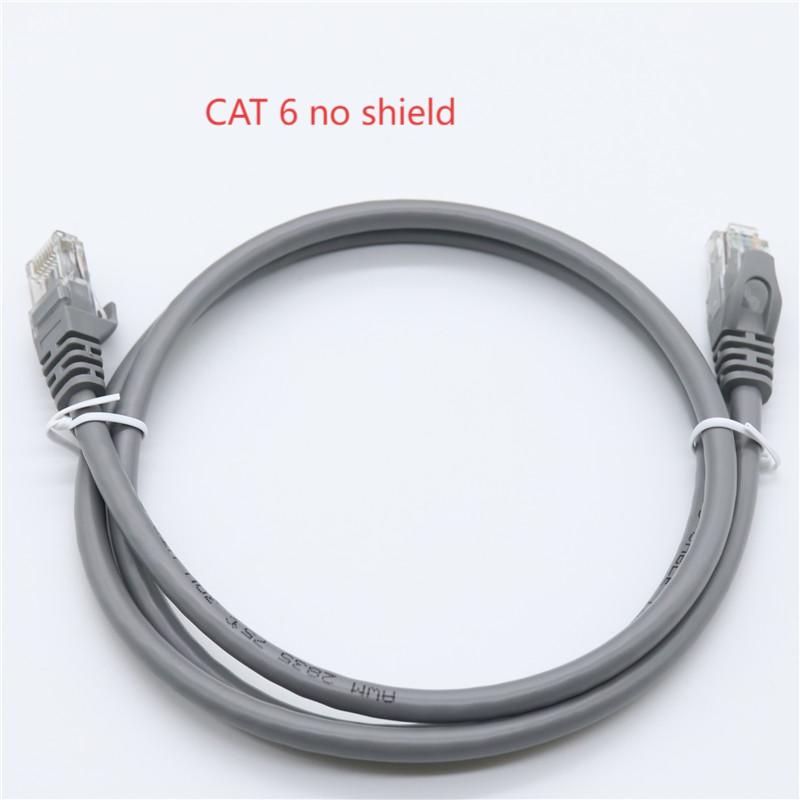
1. Deux matières, deux « origines »
Tout d’abord, comprenons-les fondamentalement :
Câble Ethernet en PVC (polychlorure de vinyle) : également appelé câble Ethernet ordinaire. C'est également le câble Ethernet le plus couramment utilisé, qui constitue le pilier absolu du câblage civil et commercial. Il est abordable, stable en termes de performances et adapté à la grande majorité des scénarios fixes et non mobiles.
Câble Ethernet PUR (polyuréthane) : un « hardcore player » de qualité industrielle. Il ne s'agit pas d'une version améliorée des câbles Ethernet ordinaires, mais d'un câble spécial conçu pour des conditions de travail difficiles et des déplacements fréquents, avec un coût plus élevé mais des performances physiques dépassant de loin le PVC. Avec le développement rapide de l’Industrie 4.0, les exigences en matière de câble Ethernet flexible et même tous les câbles deviennent de plus en plus hauts. Les câbles Ethernet PVC ordinaires ne peuvent plus répondre à certains nouveaux scénarios d'application.
La principale différence entre les deux ne réside pas dans le taux de transmission, mais dans les caractéristiques physiques de la gaine extérieure.
2. Comparaison des performances de base entre Câble Ethernet PUR et câble Ethernet en PVC
| Dimension de comparaison | Câble Ethernet en PVC | Câble Ethernet PUR |
|---|---|---|
| Flexibilité et résistance à la flexion | Moyenne. Prone to cracking and conductor breakage under repeated bending; not suitable for drag chains or moving equipment. | Excellent. Résiste à des millions de virages et de torsions ; idéal pour les applications de mouvement à haute flexibilité. |
| Résistance à l'usure | Sujet à l’abrasion superficielle ; résistance à la traction modérée. | Très résistant à l'usure et à la déchirure ; maintient son intégrité même en cas d'utilisation prolongée. |
| Résistance aux huiles et aux produits chimiques | Pauvre. Durcit et vieillit rapidement lorsqu’il est exposé à des huiles ou lubrifiants industriels. | Excellent. Résiste aux huiles industrielles, aux graisses et aux produits chimiques doux ; adapté aux environnements d’atelier difficiles. |
| Performances à basse température | Devient rigide et cassant à basse température, facilement endommagé. | Reste flexible même par temps froid ; fiable pour les applications extérieures ou à basse température. |
| Sécurité environnementale et sécurité des flammes | Contient des halogènes ; libère des vapeurs et de la fumée toxiques lorsqu'il est brûlé. | Formulations généralement à faible dégagement de fumée et sans halogène (LSZH) ; meilleure ignifugation avec émissions toxiques réduites. |
| Coût | Solution rentable et peu coûteuse. | Matériau de qualité industrielle haut de gamme ; coût initial nettement plus élevé. |
En termes simples, les câbles Ethernet PUR sont de meilleure qualité et plus durables que les câbles Ethernet PVC. Mais nous ne donnons pas la priorité aux câbles Ethernet PUR, cela dépend du scénario d'utilisation spécifique.
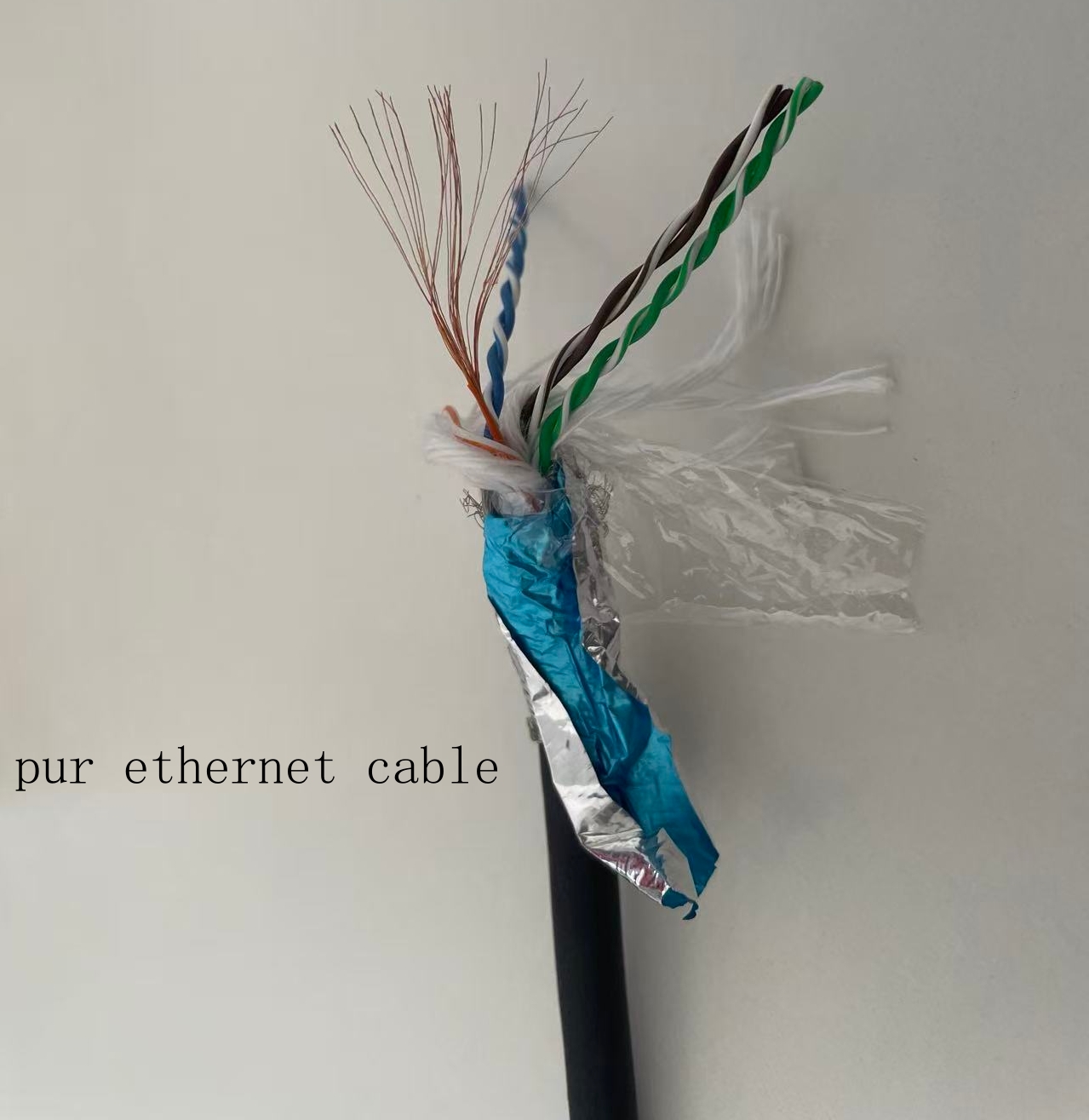
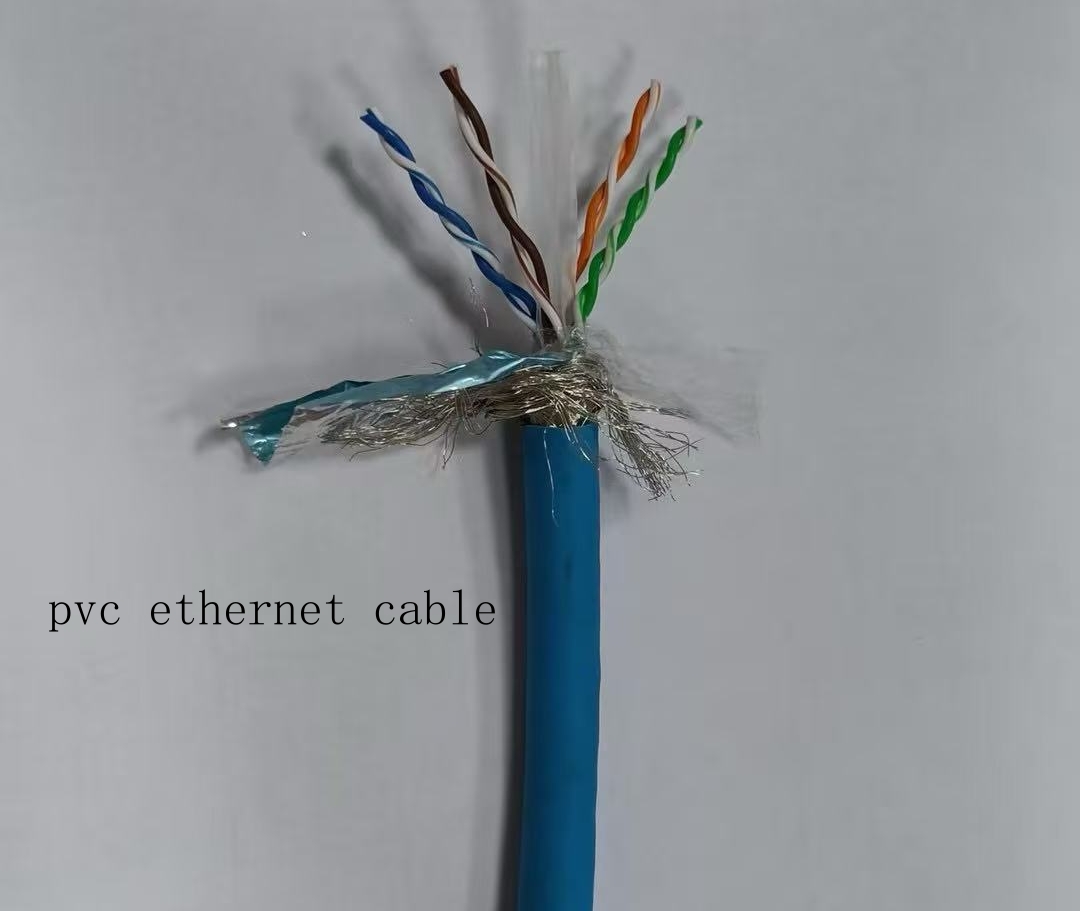
3. Choisissez un câble Ethernet en PVC ou Câble Ethernet PUR selon l'environnement d'utilisation
Quelles occasions faut-il choisir le câble Ethernet en PVC ?
● Scénarios de câblage fixe : travaux dissimulés dans la décoration de la maison, des bureaux, des salles informatiques, des murs/plafonds.
● Placement statique à long terme des équipements : les routeurs, les commutateurs, les postes de travail fixes et les câbles Ethernet ne seront ni déplacés ni pliés.
● Environnement intérieur ordinaire : un environnement de bureau ou domestique ordinaire sans taches d'huile, poussière et différences de température extrêmes.
Résumé : Utilisé uniquement pour une installation fixe dans des environnements intérieurs propres
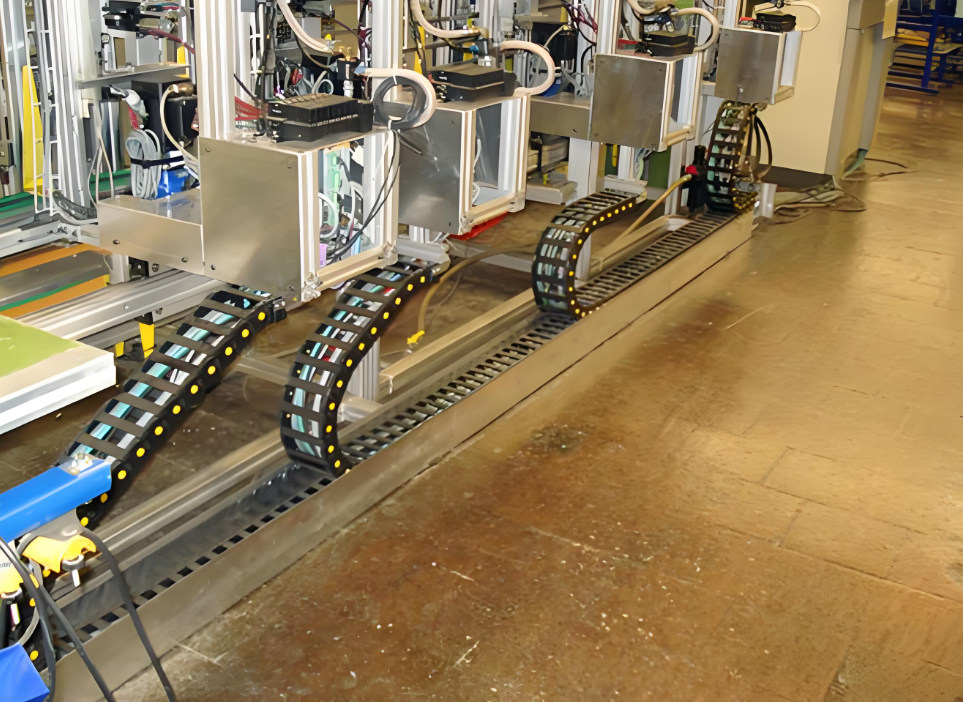
Quelles occasions faut-il choisir le câble Ethernet PUR ?
Tant que votre câblage répond à l'une des conditions suivantes, vous devez utiliser des câbles Ethernet PUR. Sinon, le coût de la maintenance fréquente, du remplacement et de l'arrêt dus à des problèmes ultérieurs dépassera de loin la différence de prix des câbles Ethernet eux-mêmes :
● Système de chaîne de traînage d'automatisation industrielle : machines-outils CNC (telles que machines à bois, machines à verre), lignes de production automatisées (telles que lignes de production automobile, lignes de production d'emballages en aluminium), équipements électroniques 3C, équipements d'emballage de semi-conducteurs, équipements de production de batteries, etc. Le câble Ethernet doit se déplacer d'avant en arrière à grande vitesse à l'intérieur de la chaîne porte-câbles.
● Robots et bras robotiques : articulations de robots, chariots AGV/AMR, etc. Le câble Ethernet doit résister aux torsions et tractions à haute fréquence.
● Conditions de travail difficiles : les câbles Ethernet PUR résistent à l'huile, aux acides et aux alcalis, à l'hydrolyse et au froid. Convient pour une utilisation en atelier, autour des machines-outils, avec des taches d'huile, de liquide de refroidissement, de poussière ou des risques de frottement mécanique.
● Environnement extérieur ou basse température : câblage d'équipements extérieurs, ou raccordement d'équipements dans des environnements basses températures du nord.
● Câblage d'appareils mobiles : éclairage de scène (comme les applications de levage de petits lustres en rouleau), cabines mobiles, équipements médicaux, etc., scènes nécessitant des mouvements fréquents.
Résumé : Lorsqu'il est utilisé dans des scénarios d'installation mobile, il nécessite une résistance à la flexion, à la torsion, à la corrosion et aux environnements à basse température.
Dans l’ensemble, le choix du matériau du câble Ethernet est très important. Choisir le bon matériau peut réduire les problèmes liés au service après-vente, et le choix du câble Ethernet doit être déterminé en fonction de l'appareil réel et de l'environnement dans lequel il est utilisé.