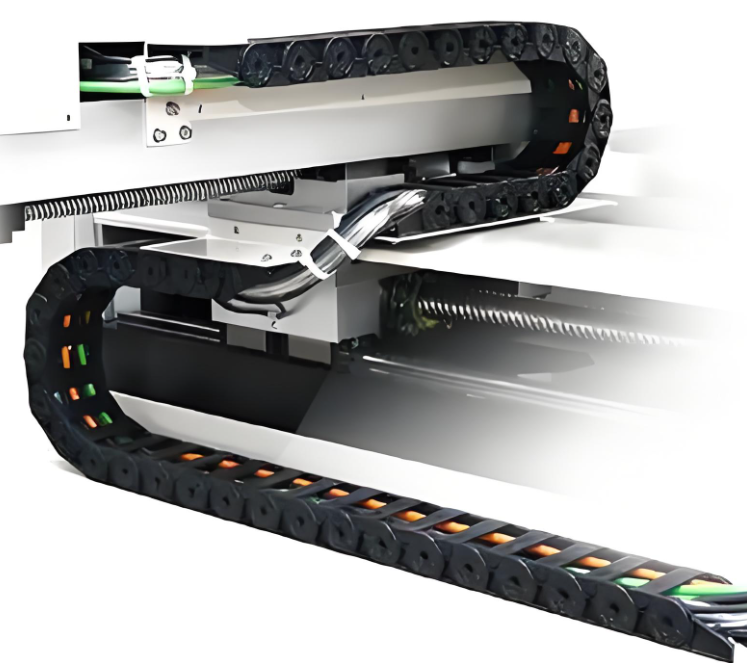
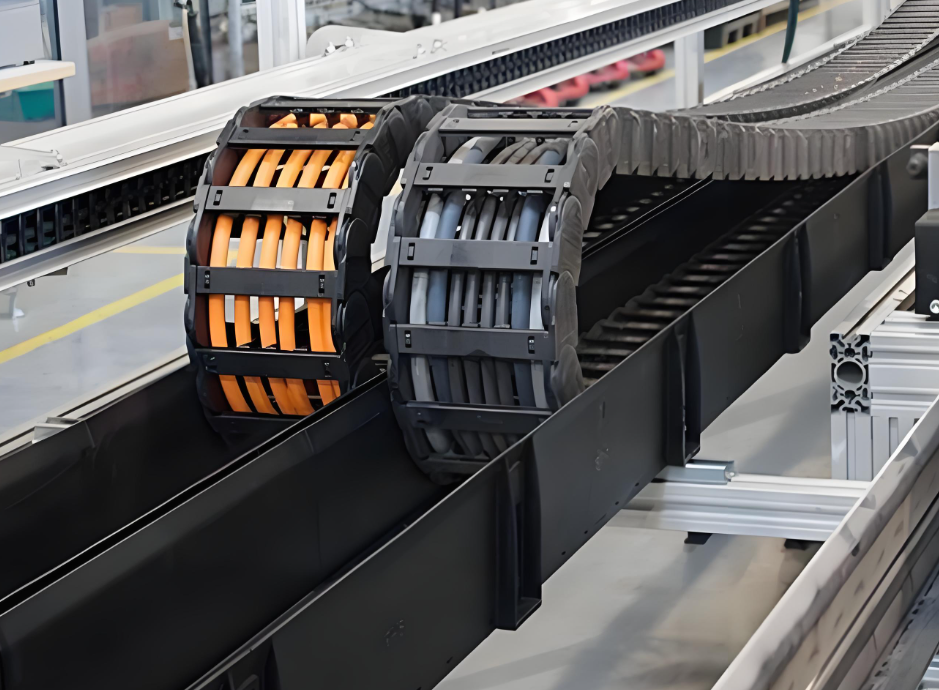
Cáp mềm PUR được thiết kế cho các môi trường chuyển động nhiều, tiếp xúc với dầu và đòi hỏi khắt khe về mặt cơ học, nơi vỏ cáp thông thường có thể bị nứt, phồng lên hoặc mất tính linh hoạt. Với một polyuretan vỏ bọc bên ngoài, loại cáp này hỗ trợ tự động hóa, robot, máy công cụ, thiết bị ngoài trời và lắp đặt khu vực lạnh trong khi vẫn duy trì khả năng chống mài mòn, độ bền kéo và hiệu suất điện ổn định.
Cáp mềm PUR là gì?
Cáp linh hoạt PUR là một cáp công nghiệp với lớp vỏ polyurethane được thiết kế để chịu uốn, mài mòn, tiếp xúc với dầu và chịu áp lực cơ học khắc nghiệt nhiều lần. So với cáp PVC tiêu chuẩn, cáp PUR có khả năng chống cắt tốt hơn, tuổi thọ uốn dài hơn và hiệu suất mạnh mẽ hơn trong máy công cụ, hệ thống tự động hóa, robot và thiết bị ngoài trời.
cáp linh hoạt
Cấu trúc vật liệu và ứng dụng điển hình
Cáp mềm polyurethane sử dụng PUR làm vật liệu vỏ bọc bên ngoài vì nó kết hợp tính đàn hồi với độ bền. Bên trong, dây dẫn thường là đồng sợi mịn để cải thiện hiệu suất uốn, trong khi vật liệu cách điện được lựa chọn theo yêu cầu về điện áp, nhiệt độ và tín hiệu.
Các yếu tố xây dựng phổ biến bao gồm:
Sợi mịn dây dẫn đồng để cải thiện tính linh hoạt và khả năng chống mệt mỏi.
PVC, PE, TPE, hoặc Cách nhiệt XLPE tùy theo nhu cầu về điện và nhiệt.
Áo khoác ngoài PUR chống mài mòn, dầu, chất làm mát và độ bền cơ học.
Không bắt buộc che chắn đảm bảo tính toàn vẹn tín hiệu trong các ứng dụng servo, bộ mã hóa và dữ liệu.
Lõi được đánh số hoặc mã màu tùy chọn để lắp đặt, kiểm tra và bảo trì dễ dàng hơn.
Các ứng dụng điển hình bao gồm dây chuyền kéo, robot công nghiệp, máy CNC, thiết bị đóng gói, dây chuyền sản xuất, hệ thống xử lý và máy móc di động ngoài trời.
cáp chenwen Mẹo chuyên nghiệp: Khi tôi chỉ định cáp linh hoạt PUR cho thiết bị di chuyển, trước tiên tôi luôn xác nhận bán kính uốn cong, tốc độ chu kỳ và khả năng tiếp xúc với dầu hoặc chất làm mát. Ba yếu tố này thường xác định liệu cáp mềm tiêu chuẩn có đủ hay cần có vỏ PUR cao cấp hơn.
Cáp linh hoạt PUR hoạt động như thế nào?
Cáp linh hoạt PUR hoạt động bằng cách kết hợp dây dẫn đồng linh hoạt với vỏ bọc polyurethane bền bỉ có khả năng chống mài mòn, dầu và uốn cong nhiều lần. Dây dẫn mang điện hoặc tín hiệu, trong khi áo khoác bảo vệ lõi bên trong khỏi bị mài mòn, hóa chất, độ ẩm, nhiệt độ lạnh và ứng suất cơ học trong quá trình di chuyển liên tục.
Hiệu suất linh hoạt trong cài đặt động
Trong các hệ thống chuyển động, cáp phải uốn cong nhiều lần mà không bị đứt dây dẫn hoặc hỏng vỏ bọc. Cáp linh hoạt PUR đạt được điều này nhờ thiết kế cân bằng: các sợi đồng mịn giúp giảm ứng suất bên trong, lớp cách nhiệt giúp các lõi được cách ly về điện và lớp vỏ PUR hấp thụ ma sát và tác động bên ngoài.
Nguyên tắc làm việc chính bao gồm:
Truyền tải điện
Dây dẫn đồng mang dòng điện, tín hiệu điều khiển hoặc dữ liệu giữa các thành phần.
Tính linh hoạt cơ học
Bện sợi mịn cho phép cáp uốn cong nhiều lần mà không tập trung ứng suất vào một điểm.
Áo khoác bảo vệ
Vỏ bọc PUR chống mài mòn, dầu, chất làm mát và chống rách tốt hơn nhiều vật liệu áo khoác tiêu chuẩn.
Ổn định môi trường
Thiết kế cáp mềm chịu lạnh có thể vẫn sử dụng được ở nhiệt độ thấp hơn, nơi mà các vỏ bọc thông thường có thể cứng lại.
Độ tin cậy chuyển động
Trong dây xích kéo hoặc rô-bốt, việc bố trí cáp chính xác giúp giảm hiện tượng xoắn, vặn nút chai và mỏi dây dẫn sớm.
cáp chenwen Mẹo chuyên nghiệp: Để sử dụng xích kéo, tôi khuyên bạn không chỉ nên kiểm tra bán kính uốn tối thiểu của cáp mà còn kiểm tra xem nó có được xếp hạng để uốn liên tục hay không. Cáp bị uốn cong trong quá trình lắp đặt không tự động phù hợp với hàng triệu chu kỳ chuyển động.
Cáp soow có chịu được dầu không?
Có, cáp SOOW thường có khả năng chống dầu vì vỏ cao su của nó được thiết kế để sử dụng nguồn điện di động ở tải trọng lớn và tiếp xúc với dầu, nước, thời tiết và mài mòn. Tuy nhiên, đối với chuyển động liên tục, uốn chặt hoặc tự động hóa máy, cáp mềm PUR có thể mang lại tuổi thọ uốn tốt hơn và khả năng chống mài mòn cơ học tốt hơn.
Cáp SOOW so với cáp PUR ở khu vực tiếp xúc với dầu
Cáp SOOW được sử dụng rộng rãi cho nguồn điện cầm tay, thiết bị xây dựng, phân phối điện tạm thời và các công cụ công nghiệp. Nó thường có khả năng chịu dầu cao su nhiệt rắn áo khoác và cách nhiệt. Tuy nhiên, chỉ riêng khả năng chịu dầu không có nghĩa là nó là sự lựa chọn tốt nhất cho tất cả các máy móc chuyển động.
Dựa trên dữ liệu nội bộ và phân tích thị trường của chúng tôi, đây là bảng phân tích:
Nhân tố
Cáp SOW
Cáp linh hoạt PUR
Kháng dầu
Tốt cho nhiều loại dầu công nghiệp
Tuyệt vời cho dầu, chất làm mát và mỡ bôi trơn
Tính linh hoạt
Tốt cho việc sử dụng di động
Tuyệt vời cho các thiết kế chuyển động liên tục
Chống mài mòn
Tốt
Rất cao
Sự phù hợp của xích kéo
Thường bị hạn chế
Thường được sử dụng khi được thiết kế hợp lý
Hiệu suất lạnh
Thường tốt
Tuyệt vời khi được chỉ định là cáp linh hoạt chịu lạnh
sử dụng điển hình
Nguồn điện cầm tay, dụng cụ, nguồn điện tạm thời
Tự động hóa, robot, CNC, hệ thống chuyển động
Cáp SOOW chắc chắn và thiết thực nhưng không phải lúc nào cũng được tối ưu hóa cho việc uốn cong lặp đi lặp lại ở tốc độ cao. Nếu ứng dụng liên quan đến cánh tay robot, bộ mang cáp, chuyển động tuyến tính hoặc máy công cụ nặng cần làm mát thì cáp PUR thường là lựa chọn lâu dài đáng tin cậy hơn.
cáp chenwen Mẹo chuyên nghiệp: Tôi sử dụng cáp SOOW cho nguồn điện di động chắc chắn, nhưng tôi tránh coi nó như một loại cáp chuyển động phổ dụng. Nếu cáp phải di chuyển hàng nghìn hoặc hàng triệu lần, thay vào đó, tôi thường đánh giá cáp mềm polyurethane.
Nhược điểm của cáp chứa đầy dầu là gì?
Cáp chứa đầy dầu có thể mang lại hiệu suất cách nhiệt và cách nhiệt tốt trong một số hệ thống truyền tải điện nhất định, nhưng nó có những nhược điểm rõ ràng. Chúng bao gồm rủi ro rò rỉ, độ phức tạp của việc bảo trì, mối quan tâm về môi trường, yêu cầu lắp đặt cao hơn và tính thực tiễn hạn chế đối với các thiết bị công nghiệp nhỏ gọn, linh hoạt hoặc thường xuyên di chuyển.
Hạn chế thực tế của hệ thống cáp dầu
Cáp chứa đầy dầu chủ yếu được liên kết với các hệ thống điện cao áp hoặc điện kế thừa chuyên dụng hơn là hệ thống dây điện linh hoạt hiện đại. Dầu giúp quản lý cách nhiệt và nhiệt, nhưng nó cũng gây ra các biến chứng về cơ học và môi trường.
Những nhược điểm chính bao gồm:
Rủi ro rò rỉ
Vỏ bọc, khớp nối hoặc đầu cuối bị hư hỏng có thể khiến dầu cách điện thoát ra ngoài.
Nhu cầu bảo trì cao hơn
Có thể cần phải giám sát áp suất, kiểm tra chất lượng dầu và phát hiện rò rỉ.
Mối quan tâm về môi trường
Rò rỉ dầu có thể làm ô nhiễm đất, nước hoặc khu vực sản xuất.
Độ phức tạp cài đặt
Việc xử lý, niêm phong và kết thúc đòi hỏi khắt khe hơn so với hệ thống cáp khô tiêu chuẩn.
Tính linh hoạt hạn chế
Thiết kế chứa đầy dầu không phù hợp với các ứng dụng động như robot, xích kéo hoặc máy móc cầm tay.
Sửa chữa khó khăn
Việc xác định vị trí và phục hồi lỗi có thể tốn thời gian và chi phí.
Đối với các thiết bị công nghiệp hạng nặng, cáp chịu dầu có vỏ PUR thường thiết thực hơn khi cần có tính linh hoạt, khả năng chống mài mòn và lắp đặt sạch sẽ.
cáp chenwen Mẹo chuyên nghiệp: Tôi không khuyên dùng cáp chứa đầy dầu để di chuyển máy móc công nghiệp. Nếu mối lo ngại là tiếp xúc với dầu, chất làm mát hoặc dầu mỡ thì cáp mềm PUR được chỉ định chính xác thường sạch hơn, an toàn hơn và dễ bảo trì hơn.
Cáp PVC có chịu được dầu không?
cáp PVC có thể cung cấp khả năng kháng dầu cơ bản tùy thuộc vào công thức hợp chất, nhưng PVC tiêu chuẩn không phải lúc nào cũng đáng tin cậy trong môi trường dầu, chất làm mát hoặc môi trường cơ học khắc nghiệt. Đối với các máy móc đòi hỏi khắt khe, cáp linh hoạt PUR thường cung cấp khả năng chống mài mòn, cắt, nhiệt độ thấp và tiếp xúc với dầu lâu dài mạnh hơn.
Sự khác biệt về hiệu suất của áo khoác PVC và PUR
PVC phổ biến vì nó tiết kiệm, dễ gia công và phù hợp với nhiều công trình lắp đặt điện đa năng. Tuy nhiên, dầu, chất làm mát và uốn cong lặp đi lặp lại có thể dần dần cứng lại, phồng lên hoặc nứt một số hợp chất PVC, đặc biệt là trong các điều kiện công nghiệp đòi hỏi khắt khe.
Dựa trên dữ liệu nội bộ và phân tích thị trường của chúng tôi, đây là bảng phân tích:
Tài sản
Cáp PVC tiêu chuẩn
Cáp linh hoạt PUR
Kháng dầu
Cơ bản đến trung bình, phụ thuộc vào hợp chất
Cao
Chống mài mòn
Vừa phải
Rất cao
Cuộc sống linh hoạt
Thích hợp cho việc di chuyển chung
Tốt hơn cho chuyển động động lặp đi lặp lại
Chống lạnh
Có thể cứng lại ở nhiệt độ thấp
Tốt hơn khi được thiết kế dưới dạng cáp mềm chịu lạnh
Kháng hóa chất
Vừa phải
Mạnh mẽ chống lại nhiều loại dầu, mỡ bôi trơn và chất làm mát
Trị giá
Thấp hơn
Chi phí ban đầu cao hơn
sử dụng tốt nhất
Hệ thống dây điện cố định, máy móc hạng nhẹ
Thiết bị di động và tự động hóa hạng nặng
Cáp PVC có thể được chấp nhận cho hệ thống dây điện cố định hoặc sử dụng trong công nghiệp nhẹ. Đối với chuyển động liên tục, vùng bắn nước làm mát, thiết bị di động ngoài trời hoặc môi trường nhà máy khắc nghiệt, cáp PUR thường mang lại tuổi thọ dài hơn và giảm tần suất thay thế.
cáp chenwen Mẹo chuyên nghiệp: Tôi chọn PVC khi môi trường ổn định và chi phí là yếu tố chính. Nhưng khi xuất hiện dầu, mài mòn, lạnh hoặc uốn cong nhiều lần, tôi thường chuyển thông số kỹ thuật sang PUR để tránh hỏng áo khoác sớm.
Các tính năng chính và so sánh
Ưu điểm chính của cáp mềm PUR là khả năng chống dầu, chống mài mòn, độ linh hoạt cao, hiệu suất lạnh và độ bền dưới áp lực cơ học. So với cáp PVC, cao su và cáp mềm thông thường, PUR thường là lựa chọn tốt hơn cho tự động hóa, robot, máy công cụ và các ứng dụng chịu tải nặng ngoài trời.
So sánh hiệu suất để lựa chọn cáp công nghiệp
Dựa trên dữ liệu nội bộ và phân tích thị trường của chúng tôi, đây là bảng phân tích:
Tính năng
Cáp linh hoạt PUR
Cáp PVC
Cáp cao su
Cáp linh hoạt tiêu chuẩn
Kháng dầu
Xuất sắc
Cơ bản đến trung bình
Tốt
Khác nhau
Chống mài mòn
Xuất sắc
Vừa phải
Tốt
Vừa phải
Tính linh hoạt
Cao
Trung bình
Cao
Trung bình
Sự phù hợp uốn cong liên tục
Mạnh mẽ khi được thiết kế cho dây xích kéo
Giới hạn
Phụ thuộc vào ứng dụng
Giới hạn ở mức vừa phải
Chống lạnh
Rất tốt với hợp chất thích hợp
Giới hạn ở mức vừa phải
Tốt
Khác nhau
Khả năng chống cắt và rách
Cao
Vừa phải
Tốt
Vừa phải
Độ bền ngoài trời
Tốt khi được đánh giá bằng tia cực tím
Phụ thuộc vào hợp chất
Tốt
Khác nhau
Chi phí điển hình
Trung bình đến cao
Thấp
Trung bình
Thấp đến trung bình
Ứng dụng tốt nhất
Tự động hóa, robot, CNC, chuyển động nặng
Hệ thống dây điện cố định hoặc nhẹ
Dụng cụ cầm tay và dụng cụ ngoài trời
Máy móc tổng hợp
Cáp PUR đặc biệt có giá trị khi cáp bị hỏng sẽ ngừng sản xuất. Chi phí ban đầu cao hơn của nó thường được bù đắp bằng thời gian ngừng hoạt động thấp hơn, ít thay thế hơn và khả năng chống dầu, chất làm mát, phoi, ma sát và chuyển động lặp lại tốt hơn.
Các điểm lựa chọn quan trọng bao gồm:
Phù hợp với điện áp và đánh giá hiện tại với yêu cầu thiết bị.
Xác nhận bán kính uốn cong tối thiểu để lắp đặt và vận hành.
Chỉ định che chắn cho các ứng dụng tín hiệu, servo hoặc bộ mã hóa.
Chọn kết cấu cáp mềm chịu lạnh cho những nơi có nhiệt độ thấp.
Xác minh khả năng chống lại chính xác loại dầu, chất làm mát hoặc hóa chất được sử dụng tại chỗ.
cáp chenwen Mẹo chuyên nghiệp: Tôi luôn so sánh tổng chi phí sở hữu chứ không chỉ giá mua. Trong máy móc khắc nghiệt, cáp rẻ hơn có thể nhanh chóng trở nên đắt đỏ nếu nó gây ra thời gian ngừng hoạt động, khắc phục sự cố hoặc thay thế nhiều lần.
cáp linh hoạt
Yếu tố chi phí và mua hàng
Cáp mềm PUR thường có giá cao hơn cáp PVC tiêu chuẩn, nhưng giá phản ánh hiệu suất vỏ bọc mạnh hơn, thiết kế linh hoạt, tùy chọn che chắn, chất lượng dây dẫn và kết cấu chịu dầu. Quyết định mua đúng phải cân bằng giữa tuổi thọ cáp, chu kỳ di chuyển, tiếp xúc với hóa chất, điều kiện lắp đặt và rủi ro về thời gian ngừng hoạt động.
Các biến số về giá ảnh hưởng đến việc lựa chọn cáp
Giá thành của cáp mềm polyurethane phụ thuộc vào cả yêu cầu về vật liệu và kỹ thuật. Cáp điều khiển không có vỏ bọc đơn giản sẽ rẻ hơn cáp xích kéo có vỏ bọc có dây dẫn bằng đồng có độ uốn cao, cách điện đặc biệt và vỏ bọc PUR chịu lạnh.
Các yếu tố mua chính bao gồm:
Kết cấu cáp
Nhiều lõi hơn, kích thước dây dẫn lớn hơn, lớp che chắn và lớp cách nhiệt đặc biệt sẽ làm tăng chi phí.
Đánh giá linh hoạt
Các thiết kế được xếp loại uốn cong liên tục hoặc kéo theo yêu cầu vật liệu và kết cấu tốt hơn.
Tiếp xúc với dầu và hóa chất
Các hợp chất PUR mạnh hơn có thể cần thiết cho chất làm mát, dầu cắt gọt, dầu mỡ hoặc chất tẩy rửa.
Phạm vi nhiệt độ
Hợp chất cáp mềm chịu lạnh có thể tăng thêm chi phí nhưng cải thiện độ tin cậy trong môi trường nhiệt độ thấp.
Yêu cầu chứng nhận UL, CN, RoHS, CPR hoặc các tiêu chuẩn khác có thể ảnh hưởng đến nguồn cung ứng và giá cả.
Số lượng đặt hàng và tùy chỉnh
Màu sắc tùy chỉnh, in ấn, đóng gói và đơn đặt hàng khối lượng thấp có thể ảnh hưởng đến chi phí đơn vị.
Đối với người mua, cách tiếp cận tốt nhất là xác định môi trường hoạt động trước tiên, sau đó so sánh các lựa chọn cáp theo tuổi thọ sử dụng và mức giảm rủi ro thay vì chỉ dựa vào giá cả.
cáp chenwen Mẹo chuyên nghiệp: Khi khách hàng yêu cầu mức giá thấp nhất, tôi hỏi chi phí cho một giờ ngừng hoạt động của máy là bao nhiêu. Ở nhiều nhà máy, việc chọn đúng cáp mềm PUR một lần sẽ rẻ hơn nhiều so với việc thay thế cáp bị hỏng sau đó.
Phần kết luận
Cáp linh hoạt PUR là sự lựa chọn mạnh mẽ cho các ứng dụng công nghiệp chịu dầu, chịu lạnh và chịu tải nặng, trong đó tính linh hoạt và độ bền của áo khoác là vấn đề quan trọng. Nó vượt trội hơn nhiều loại cáp tiêu chuẩn trong máy móc di chuyển, tự động hóa, robot và môi trường tiếp xúc với chất làm mát, giúp giảm thời gian ngừng hoạt động và cải thiện độ tin cậy lâu dài.
Hướng dẫn lựa chọn cuối cùng cho người dùng công nghiệp
Chọn cáp phù hợp có nghĩa là kết cấu cáp phù hợp với điều kiện làm việc thực tế. PUR không phải lúc nào cũng là lựa chọn rẻ nhất nhưng nó thường đáng tin cậy nhất khi cáp liên tục bị uốn cong, mài mòn, dầu, chất làm mát hoặc tiếp xúc ngoài trời.
Sử dụng cáp linh hoạt PUR khi ứng dụng của bạn liên quan đến:
Chuyển động liên tục hoặc thường xuyên.
Dây kéo, cánh tay robot hoặc hệ thống xử lý tự động.
Dầu, mỡ, chất làm mát hoặc văng hóa chất.
Sự mài mòn từ các bộ phận máy, sàn nhà hoặc dây cáp.
Môi trường lạnh nơi vỏ cáp thông thường có thể cứng lại.
Chi phí ngừng hoạt động cao do lỗi cáp.
Đối với hệ thống dây điện cố định thông thường, PVC có thể là đủ. Đối với nguồn điện di động, cáp cao su hoặc SOOW có thể phù hợp. Đối với các chuyển động công nghiệp đòi hỏi khắt khe và hiệu suất chịu dầu, cáp PUR thường là giải pháp lâu dài đáng tin cậy hơn.
cáp chenwen Mẹo chuyên nghiệp: Nếu bạn không chắc chắn cấu trúc cáp nào phù hợp với thiết bị của mình, hãy chia sẻ các yêu cầu về loại chuyển động, bán kính uốn cong, nhiệt độ, mức độ tiếp xúc với dầu và điện áp với chúng tôi. Tại cáp Chengwen, chúng tôi có thể giúp điều chỉnh cáp phù hợp với điều kiện làm việc thực tế thay vì đoán từ danh mục.