

Bạn cũng sợ mua nhầm à cáp linh hoạt cuộc họp? Thứ này hoạt động không bình thường, thiết bị sẽ 'tấn công' trong vài phút!
Hôm nay, chúng ta hãy nói về điều gì đó thiết thực và giúp bạn tránh được những cạm bẫy.
Thứ nhất, khả năng chống mài mòn và tuổi thọ uốn quyết định thời gian sử dụng.
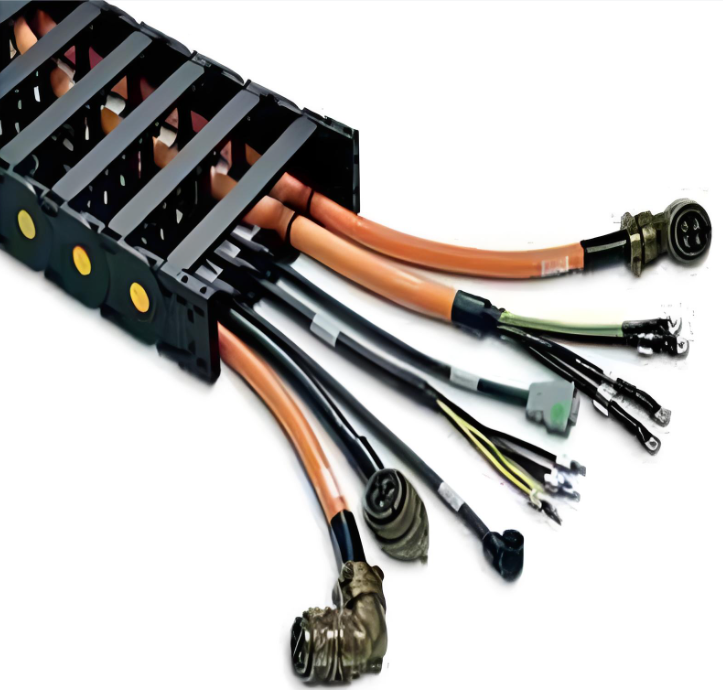
Một số cáp rất linh hoạt có bề ngoài tương tự nhau, nhưng mấu chốt nằm ở vật liệu lõi bên trong và phương pháp xoắn, liên quan đến độ ổn định tín hiệu và nguồn điện không đủ.
Đừng quên lớp che chắn của dây linh hoạt! Trong môi trường có một số nhiễu sóng, nó có thể bảo vệ việc truyền tín hiệu giống như một “chiếc chuông vàng” và tránh được một loạt hoạt động sai.
Đừng bất cẩn với mức độ phù hợp và phương pháp khóa của đầu nối giao diện. Nếu nó không được cắm chắc chắn hoặc dễ dàng bị lỏng ra thì ngay cả sợi cáp tốt nhất cũng sẽ vô dụng.
Nhân tiện, khả năng thích ứng với môi trường là rất quan trọng.
LÀM cáp xích kéo có tính linh hoạt cao cần phải chịu dầu và chịu được nhiệt độ cao và thấp? Hãy lựa chọn dựa trên điều kiện làm việc thực tế, đừng tốn quá nhiều tiền vào những hiệu quả không cần thiết.
Nói một cách đơn giản, bằng cách tập trung vào hiệu suất cốt lõi, khả năng tương thích và điều kiện làm việc thực tế, nhiều sản phẩm không phù hợp có thể được sàng lọc.
Dưới đây chúng ta sẽ thảo luận về những điểm chính để lựa chọn cáp có tính linh hoạt cao từ nhiều góc độ:
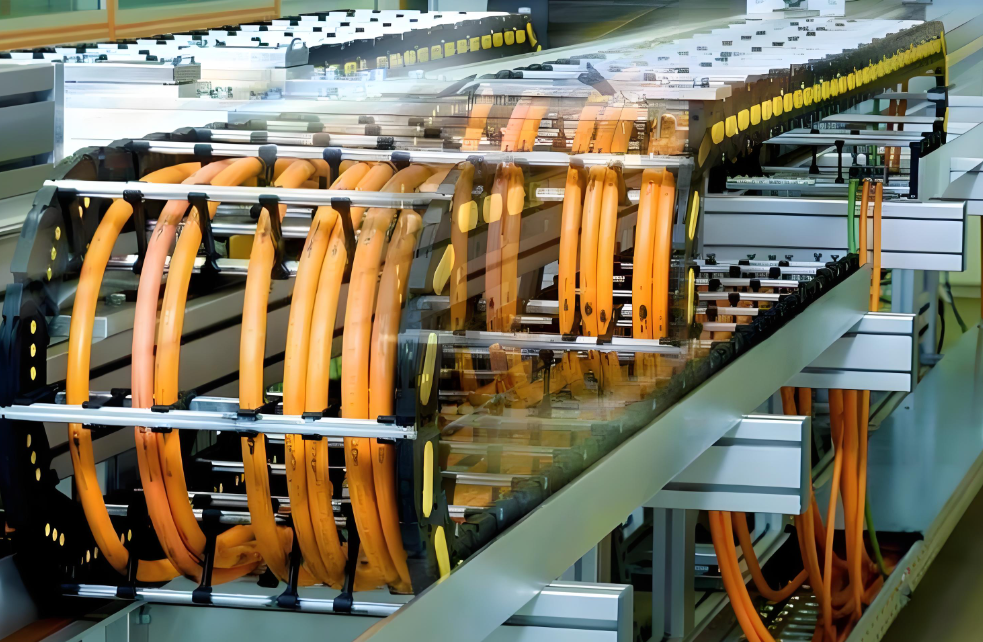
Dây dẫn của cáp có tính linh hoạt cao
Cáp có độ linh hoạt cao (dùng cho cáp xích kéo) duy trì các kết nối ổn định trong các trường hợp uốn cong hoặc di chuyển liên tục và tính linh hoạt của chúng được xác định bởi cả vật liệu dây dẫn và phương pháp xoắn. Dây đồng ủ có độ tinh khiết cao thường được sử dụng làm dây dẫn và quá trình ủ giúp loại bỏ ứng suất bên trong dây đồng, sắp xếp lại mạng kim loại và thu được độ dẻo tốt hơn. Phương pháp xoắn sử dụng nhiều sợi dây đồng mỏng quấn quanh đường tâm theo hình xoắn ốc. Cấu trúc này cho phép mỗi dây của cáp dịch chuyển một cách độc lập và nhẹ nhàng trong quá trình uốn, phân tán ứng suất và tránh hiện tượng gãy mỏi kim loại do uốn cong nhiều lần một dây dẫn.
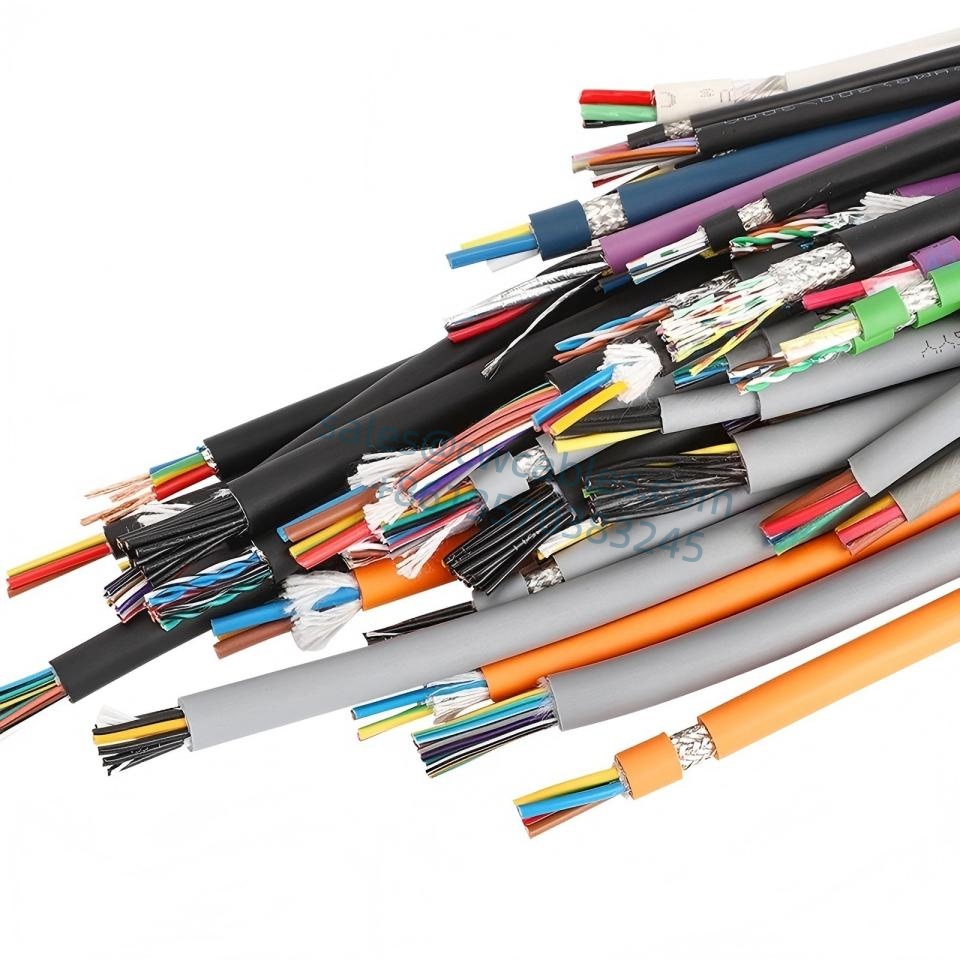
Lớp cách nhiệt của dây linh hoạt
Lớp cách điện không chỉ cần cách ly dòng điện mà còn cần duy trì hiệu suất trong quá trình sử dụng động. Polyetylen liên kết chéo tạo thành cấu trúc mạng ba chiều thông qua liên kết hóa học giữa các chuỗi phân tử và duy trì sự ổn định hình dạng ngay cả khi thay đổi nhiệt độ. Đối với các yêu cầu cao hơn, polyurethane mang lại khả năng chống rách tuyệt vời và tính linh hoạt ở nhiệt độ thấp. Các liên kết este amin trong các phân tử của nó có thể hấp thụ năng lượng cơ học, chuyển đổi thành năng lượng nhiệt và tiêu tán nó, làm giảm thiệt hại bên trong vật liệu. Độ dày của lớp cách nhiệt cần phải được cân bằng chính xác. Độ dày quá mức sẽ làm tăng độ cứng, trong khi độ dày quá mức có thể gây ra các vết nứt nhỏ khi uốn cong tần số cao.
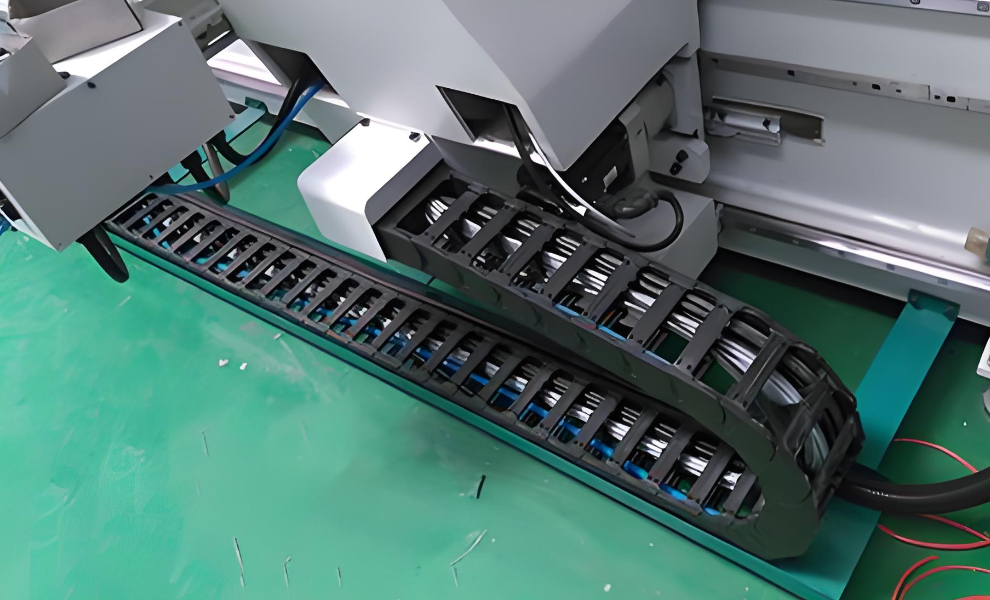
Vỏ ngoài của cáp mềm
Vỏ bọc là một rào cản chất lượng cao chống lại môi trường bên ngoài. Chất đàn hồi dẻo nhiệt kết hợp tính đàn hồi của cao su với khả năng xử lý của nhựa, với các đoạn cứng mang lại sức mạnh và các đoạn mềm mang lại tính linh hoạt. Trong môi trường công nghiệp có chứa dầu khoáng hoặc chất làm mát, cao su chloroprene có thể chống lại sự trương nở từ các dung môi không phân cực do tính phân cực do các nguyên tử clo trong chuỗi phân tử của nó mang lại. Bề mặt vỏ bọc đôi khi được thiết kế với những đường nét mảnh, không phải để trang trí mà nhằm giảm diện tích tiếp xúc và lực cản ma sát trong xích kéo, đồng thời cho phép các mảnh vụn thoát ra khỏi rãnh và tránh tích tụ, mài mòn.
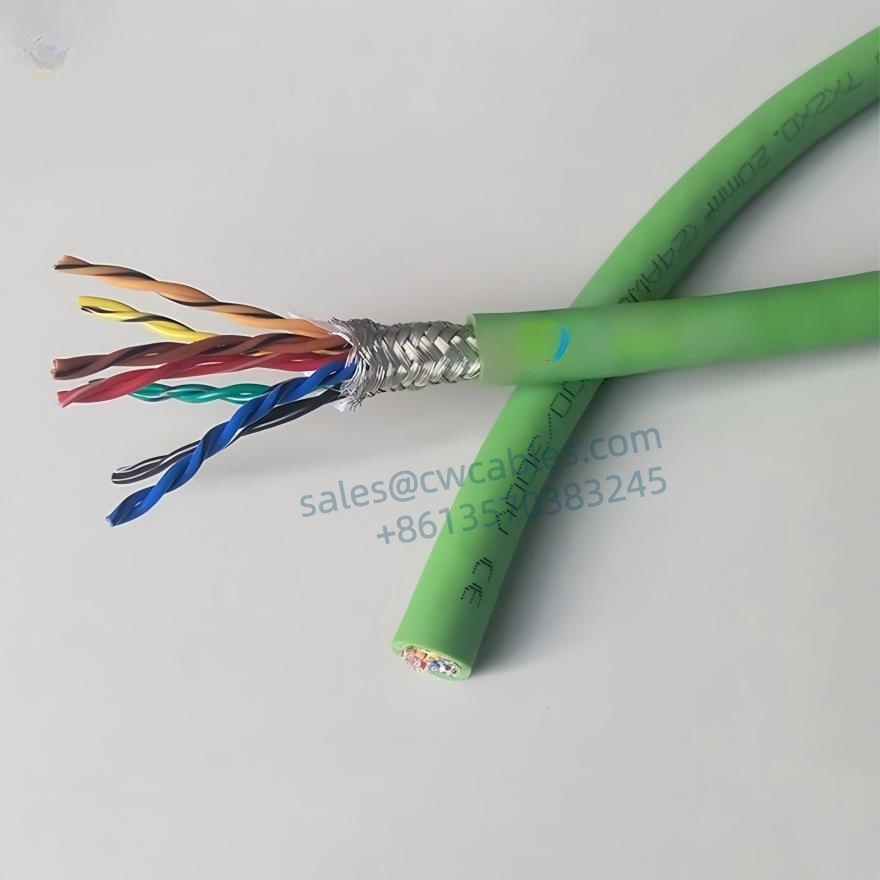
Bán kính uốn có tính linh hoạt cao cáp cho chuỗi kéo
Khi lựa chọn cáp xích kéo, cần ưu tiên xác nhận các tham số quỹ đạo chuyển động. Bán kính uốn thường được biểu thị bằng bội số của đường kính ngoài của cáp và các ứng dụng động yêu cầu bán kính uốn lỏng hơn để sử dụng lâu dài. Bán kính uốn càng lớn thì tuổi thọ của cáp linh hoạt. Gia tốc xác định lực quán tính mà cáp chịu và chuyển động tịnh tiến tốc độ cao đòi hỏi phải xem xét bước xoắn của dây dẫn và đặc tính giảm chấn của vật liệu vỏ bọc. Chiều dài hành trình ảnh hưởng đến chiều dài hệ thống treo và khoảng cách hỗ trợ của cáp trong chuỗi kéo. Nếu nó quá dài mà không được hỗ trợ, nó có thể gây ra độ võng quá mức ở phần giữa, dẫn đến chuyển động không đều.
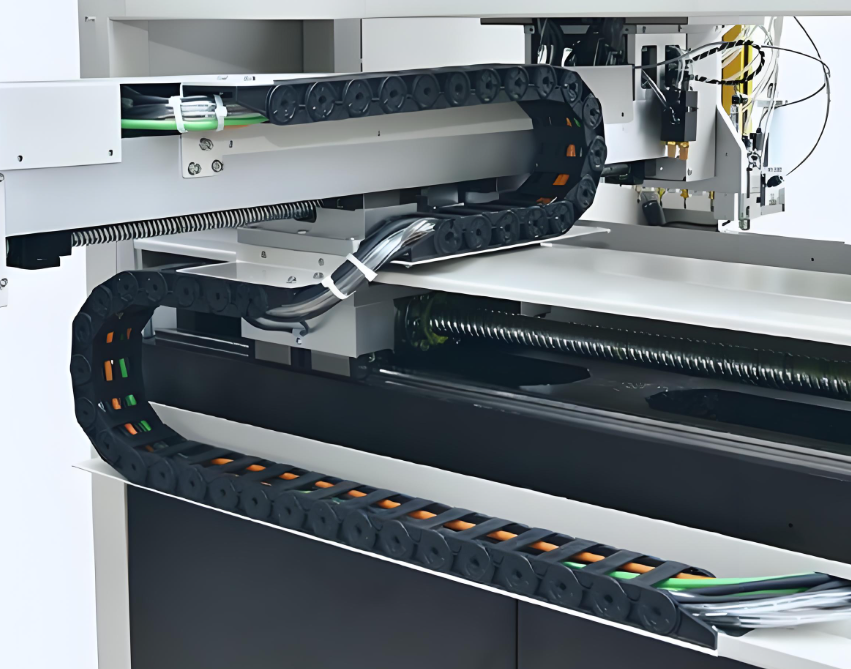
Môi trường sử dụng của cáp có tính linh hoạt cao
Các yếu tố môi trường trực tiếp xác định sơ đồ kết hợp vật liệu. Ozone có thể tấn công các liên kết đôi carbon carbon trong cao su, gây nứt, do đó nên sử dụng polyme bão hòa ở ngoài trời hoặc gần các thiết bị có áp suất cao. Các vi sinh vật có thể phân hủy một số chất hóa dẻo trong môi trường ẩm ướt và việc lựa chọn các chất không dẻo hoặc vật liệu trơ về mặt sinh học có thể tránh được vấn đề này. Cần chú ý đến việc kết hợp hệ số giãn nở nhiệt của từng lớp vật liệu trong môi trường nhiệt độ rộng. Nếu chênh lệch giãn nở là đáng kể khi chênh lệch nhiệt độ quá lớn thì có thể xảy ra sự phân tách giữa các lớp.
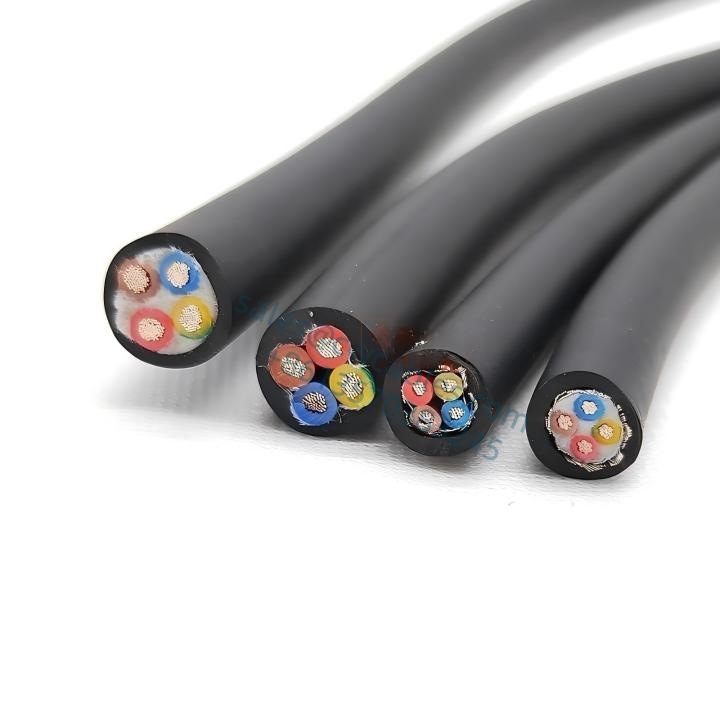
Thông số điện và tính chất cơ học của cáp có độ linh hoạt cao
Các thông số điện cần được xem xét kết hợp với hiệu suất cơ học. Các thông số điện dung và điện cảm của cáp có độ linh hoạt cao khác nhau tùy thuộc vào cấu trúc xoắn và cần đánh giá tác động của bước xoắn lên tính liên tục của trở kháng đối với việc truyền tín hiệu tần số cao. Lớp che chắn cần duy trì tính toàn vẹn của vùng phủ sóng trong quá trình sử dụng động. Tấm chắn bện dây đồng mạ thiếc cho phép mỗi dây trượt tương đối với nhau khi uốn cong, giúp dây bền hơn so với băng composite nhôm-nhựa. Đối với các ứng dụng có bán kính uốn cực nhỏ, cấu trúc đồng trục có thể được sử dụng để sắp xếp song song nhiều cáp thu nhỏ, với mỗi cáp được bảo vệ độc lập và vỏ bọc bên ngoài tổng thể, đạt được sự cân bằng giữa việc sử dụng không gian và tính linh hoạt.
Sự thay đổi hiệu suất của cáp xích kéo trong quá trình sử dụng lâu dài có thể dự đoán được. Điện trở của dây dẫn có thể tăng chậm do bị uốn cong khiến cho từng sợi riêng lẻ bị đứt, nhưng cấu trúc xoắn đảm bảo rằng các sợi còn nguyên vẹn khác tiếp tục mang dòng điện. Sự giảm điện trở cách điện thường xảy ra trước khi có hư hỏng nhìn thấy được và các phép đo thường xuyên có thể cảnh báo các lỗi tiềm ẩn. Sự mài mòn của vỏ bọc thường bắt đầu từ một phía tiếp xúc với thiết bị dẫn hướng và chiến lược sử dụng luân phiên có thể kéo dài tuổi thọ của nó. Xếp hạng tần số uốn là dữ liệu phòng thí nghiệm trong điều kiện tiêu chuẩn và tuổi thọ thực tế bị ảnh hưởng bởi nhiều biến số như độ căng khi lắp đặt, đường cong tốc độ chuyển động và độ sạch của môi trường.
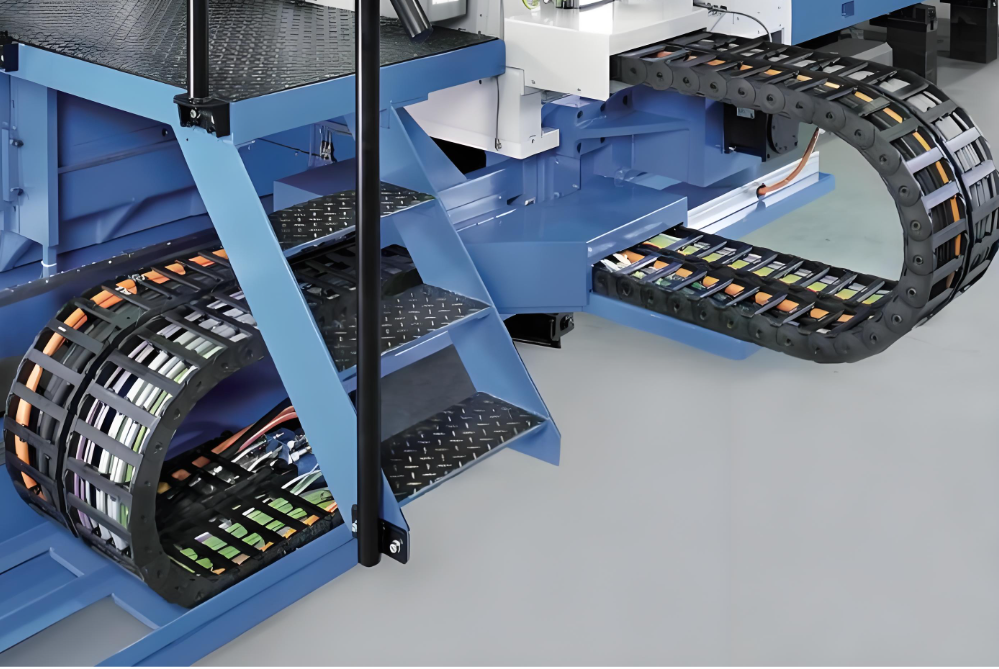
Tóm tắt những điểm chính đã thảo luận ở trên
Việc lựa chọn cáp siêu linh hoạt về cơ bản là một quá trình kết hợp hệ thống và dây linh hoạt cần được coi là thành phần cơ và điện trong hệ thống chuyển động. Không có tham số đơn lẻ nào có thể xác định khả năng ứng dụng. Phân tích đa dạng liên quan đến các đặc điểm hình học của quỹ đạo chuyển động, cơ chế của các yếu tố môi trường và sự tương tác giữa các yêu cầu truyền tín hiệu điện. Lựa chọn cuối cùng phải dựa trên một bộ hoàn chỉnh các tham số kịch bản ứng dụng, thay vì so sánh chỉ báo kỹ thuật riêng biệt.