

Giới thiệu
Nếu bạn làm việc với máy CNC, giàn, dây chuyền đóng gói hoặc hệ thống xử lý bằng robot, bạn gần như chắc chắn gặp phải sự cố cáp không mong muốn bên trong các dây cáp. Nhiều đội bảo trì lắp đặt cáp điều khiển linh hoạt tiêu chuẩn nhưng lại phải đối mặt với tình trạng dây dẫn bị đứt, tín hiệu ngắt quãng và thời gian ngừng hoạt động ngoài dự kiến chỉ sau vài nghìn chu kỳ qua lại.
Bạn sẽ thấy các thuật ngữ khác nhau được sử dụng trong bảng dữ liệu của nhà cung cấp và các cuộc thảo luận trên diễn đàn: cáp uốn liên tục, cáp chuỗi năng lượng, cáp kéo. Người mua thường xuyên nhầm lẫn — đây là những sản phẩm riêng biệt hay chỉ là những quy ước đặt tên khác nhau cho cùng một dòng cáp chuyển động cao?
Trong bài viết này, chúng tôi chia nhỏ các tên ngành này, giải thích những khác biệt về kết cấu cốt lõi, chỉ ra các lỗi trường điển hình và chia sẻ lời khuyên thiết thực để giúp bạn chọn loại cáp phù hợp cho chuyển động tịnh tiến.
Cáp mềm liên tục, cáp xích dẫn cáp và cáp kéo thực sự có ý nghĩa gì?
Không có tiêu chuẩn phổ quát nghiêm ngặt nào tách biệt ba tên này. Thói quen khu vực và tiếp thị của nhà sản xuất tạo ra hầu hết các biến thể đặt tên.
- Cáp kéo: Được sử dụng chủ yếu trong các tài liệu kỹ thuật cơ khí ở Bắc Mỹ. Nó nhấn mạnh rằng cáp đang được kéo và kéo qua lại trong một vật mang đang chuyển động.
- Cáp xích năng lượng: Rất phổ biến trong các tài liệu kỹ thuật của Châu Âu. Cái tên này xuất phát trực tiếp từ Chuỗi năng lượng / Chuỗi điện tử, hệ thống mang cáp nổi tiếng. Khi bạn đọc “cáp xích dẫn cáp”, nó chỉ có nghĩa là cáp được thiết kế để chạy bên trong giá đỡ cáp xích dẫn cáp.
- Cáp uốn liên tục: Một thuật ngữ tập trung vào hiệu suất. Nó mô tả bất kỳ loại cáp nào được thiết kế có mục đích cho hàng triệu chu kỳ uốn lặp lại, bất kể bạn sử dụng hãng mang cáp nào. Thuật ngữ này xuất hiện rộng rãi trong các hướng dẫn lựa chọn linh kiện và các diễn đàn kỹ thuật.
Cả ba cái tên này phần lớn trùng lặp với cái mà nhiều người gọi là cáp xích kéo. Chúng mô tả cáp nguồn, cáp điều khiển hoặc cáp dữ liệu được thiết kế cho chuyển động tịnh tiến trong một mặt phẳng chứ không phải hệ thống dây điện linh hoạt cho mục đích chung để lắp đặt tĩnh.
Lưu ý quan trọng: Loại cáp mềm thông thường bạn mua để đi dây trong tủ là không một cáp uốn liên tục. Ngay cả khi nó có cảm giác mềm mại khi cầm bằng tay, thì sợi, chiều dài xếp và cấu trúc bên trong của nó không thể chịu được ứng suất động hàng triệu chu kỳ.
Điều gì làm nên sự khác biệt của cáp Flex / Towline / Energy Chain thực sự liên tục
Lớp vỏ bên ngoài có thể trông giống như dây cáp thông thường. Sự khác biệt tồn tại bên trong cấu trúc cáp. Cáp định mức chuyển động thực bao gồm các đặc điểm thiết kế chính sau:
- Dây dẫn bằng đồng đóng hộp loại 6 được bện mịn, để chống mỏi kim loại khi bị uốn cong nhiều lần.
- Tối ưu hóa chiều dài xoắn ngắn. Dây dẫn bó chặt và dịch chuyển êm ái trong quá trình di chuyển, tránh tình trạng vặn nút chai.
- Các lớp phân cách bên trong có độ ma sát thấp, giảm ma sát bên trong giữa các lõi khi cáp uốn cong.
- Các phần tử đệm chịu kéo để hấp thụ ứng suất kéo.
- Tùy chọn vỏ ngoài chống mài mòn: PUR, TPE hoặc PVC biến tính cho các điều kiện làm việc khác nhau.
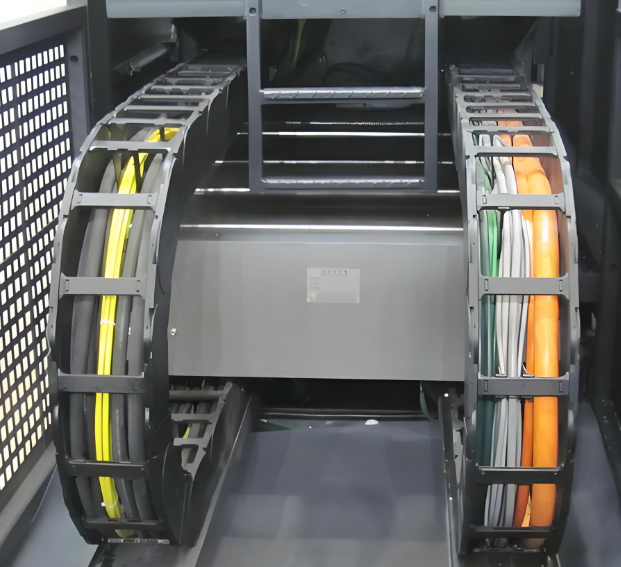
Các biến thể được che chắn có thêm dây bện bằng đồng đóng hộp được dệt đặc biệt. Cáp điều khiển được che chắn tiêu chuẩn sẽ khiến dây bện bị đứt nhanh chóng khi chuyển động theo chu kỳ; cáp được che chắn bằng xích dẫn cáp thích hợp sẽ điều chỉnh góc bện và độ dày của dây để uốn dẻo.
Văn bản neo liên kết nội bộ: Để biết thêm chi tiết về sự cân bằng giữa áo khoác, hãy đọc bài viết của chúng tôi: Cáp xích kéo PUR và PVC cho các ứng dụng động
Các lỗi thường gặp trong thực tế khi bạn chọn sai cáp
Nhiều vấn đề của nhà máy bắt nguồn từ việc sử dụng sai cáp sử dụng tĩnh bên trong giá đỡ chuyển động. Đây là những triệu chứng thường gặp nhất mà chúng tôi nghe được từ các kỹ sư hiện trường:
- Xoắn nút chai: Cáp xoắn thành hình xoắn ốc bên trong xích dẫn cáp, bị kẹt và mòn nhanh chóng.
- Mất tín hiệu không liên tục: Các sợi bên trong dây dẫn dần bị đứt, tạo ra hiện tượng rớt kết nối ngẫu nhiên đối với tín hiệu bộ mã hóa hoặc xe buýt.
- Vỏ bị nứt hoặc bị bột, đặc biệt với PVC rẻ tiền khi chuyển động theo chu kỳ tốc độ cao.
- Phân mảnh tấm chắn: Bảo vệ EMI biến mất, khiến giao tiếp servo và EtherCAT bị trục trặc.
Tham chiếu liên kết bên ngoài (cải thiện E‑E‑A‑T): Bạn có thể đọc thêm về các phương pháp hay nhất khi lắp đặt nhà cung cấp dịch vụ cáp từ nguồn tài nguyên trong ngành: hướng dẫn lắp đặt xích dẫn cáp igus
Danh sách kiểm tra lựa chọn thực tế cho cáp mềm/dây xích năng lượng/dây kéo liên tục
Khi bạn chỉ định cáp cho máy của mình, đừng chỉ dựa vào tên sản phẩm. Hãy thực hiện thông qua những điểm thực tế sau:
- Yêu cầu bán kính uốn
Kiểm tra bán kính uốn động tối thiểu. Bán kính quá hẹp làm giảm đáng kể tuổi thọ của cáp.
Văn bản neo liên kết nội bộ: Đọc hướng dẫn của chúng tôi: Bán kính uốn cáp xích kéo: Hướng dẫn lựa chọn thực tế
-
Đánh giá chu kỳ uốn
Xác nhận số chu kỳ kiểm tra (3 triệu, 5 triệu, hơn 10 triệu chu kỳ). Đừng tin vào những từ tiếp thị mơ hồ như “linh hoạt cao” nếu không có dữ liệu về chu kỳ.
-
Tốc độ và khả năng tăng tốc
Gia tốc cao hơn gây áp lực lớn hơn nhiều lên dây dẫn. Những gì hiệu quả đối với giàn chậm có thể nhanh chóng thất bại trên thiết bị gắp và đặt nhanh.
Văn bản neo liên kết nội bộ: Bài đọc liên quan: Tốc độ và khả năng tăng tốc ảnh hưởng đến tuổi thọ cáp xích kéo như thế nào
- Chất liệu áo khoác phù hợp với môi trường
- PUR: chịu dầu tốt, chống mài mòn, được ưa chuộng rộng rãi cho các ứng dụng xích dẫn cáp/dây kéo
- TPE: hiệu suất tốt ở nhiệt độ thấp
- PVC: tiết kiệm chi phí nhưng tránh sử dụng trong môi trường dầu nặng, chu trình cao
- Tính toán lấp đầy cáp bên trong xích dẫn cáp
Việc đổ quá đầy vật mang sẽ tạo ra lực nén và ma sát liên tục giữa các dây cáp, làm giảm tuổi thọ của cáp.
Văn bản neo liên kết nội bộ: Xem hướng dẫn của chúng tôi: Cách tính cáp điền vào xích kéo
- Lá chắn hay không lá chắn?
Tín hiệu, bus, bộ mã hóa và đường Ethernet cần được che chắn theo định mức động. Mạch chỉ cấp nguồn có thể chạy cáp mềm liên tục không được che chắn.
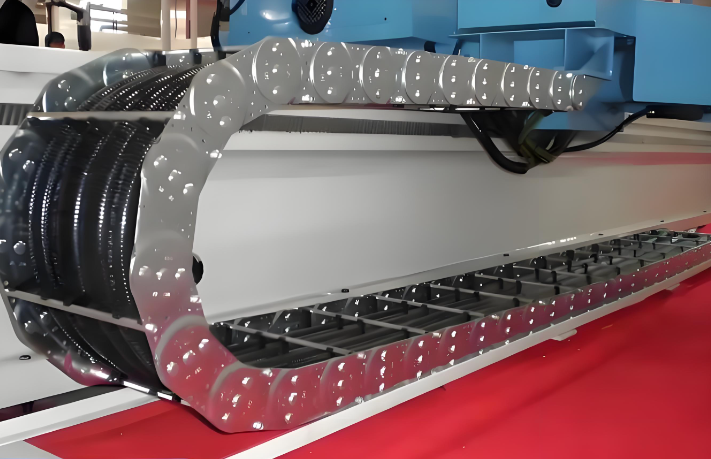
Ứng dụng điển hình
Bạn sẽ thấy cáp mềm liên tục, cáp xích dẫn cáp và cáp dây kéo được triển khai rộng rãi trong các thiết lập này:
- Máy công cụ CNC
- Hệ thống cổng và bộ truyền động tuyến tính
- Máy đóng gói và làm đầy
- Cần cẩu kho tự động
- Thiết bị tự động hóa chọn và đặt
- Thiết bị công nghiệp có trục chuyển động tịnh tiến
Câu hỏi thường gặp
Câu hỏi 1: Tôi có thể chạy cáp điều khiển linh hoạt thông thường bên trong xích dẫn cáp không?
Đáp: Về mặt kỹ thuật, bạn có thể cài đặt nó bằng vật lý, nhưng nó sẽ sớm bị lỗi. Cáp mềm đa năng được thiết kế để di chuyển tĩnh hoặc thỉnh thoảng chứ không phải cho hàng triệu chu kỳ uốn liên tục.
Câu hỏi 2: Cáp kéo và cáp mềm liên tục có thể hoán đổi cho nhau được không?
Đáp: Trong hầu hết các tình huống mua sắm thì có. Sự khác biệt là nguồn gốc thuật ngữ, không phải lúc nào cũng xây dựng. Luôn kiểm tra chéo xếp hạng chu trình, bán kính uốn và chất liệu vỏ thay vì chỉ tin vào tiêu đề sản phẩm.
Câu hỏi 3: Cáp xích dẫn cáp có nghĩa là nó phải được sử dụng với xích nhãn hiệu igus phải không?
Đáp: Không. “Cáp chuỗi năng lượng” mô tả hiệu suất của cáp, nó hoạt động với tất cả các hãng cung cấp cáp.
Phần kết luận
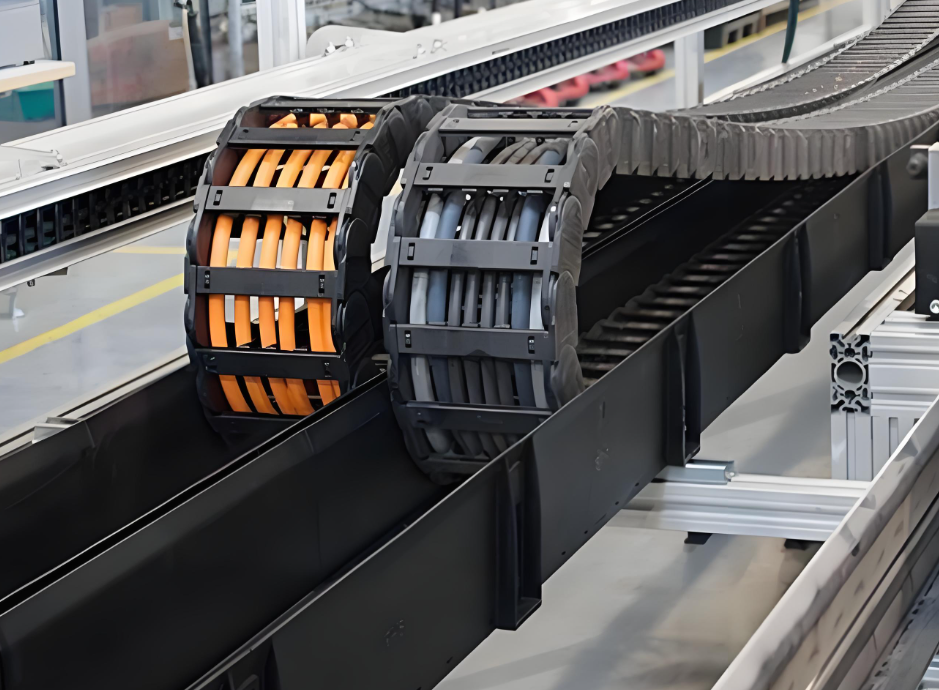
Cáp mềm liên tục, cáp xích dẫn cáp và cáp dây kéo là ba tên được sử dụng rộng rãi cho cáp tối ưu hóa chuyển động cho hệ thống mang cáp. Đừng đưa ra quyết định mua hàng chỉ dựa vào tên nhãn. Luôn kiểm tra bán kính uốn, chu trình uốn được chứng nhận, vật liệu vỏ bọc và hiệu suất che chắn động.
Việc sử dụng cáp uốn / dây kéo / xích dẫn cáp liên tục chính xác giúp giảm thời gian ngừng hoạt động ngoài dự kiến, giảm tổng chi phí bảo trì và phù hợp với tuổi thọ sử dụng của thiết bị tự động hóa đắt tiền của bạn.
Nếu bạn cần hỗ trợ về thông số kỹ thuật cáp mềm liên tục tùy chỉnh cho dự án máy của mình, vui lòng liên hệ liên hệ với nhóm kỹ thuật của chúng tôi.