

Vào thời điểm tốc độ Internet chậm, trò chơi ngoại tuyến và hội nghị truyền hình bị kẹt, bạn đang tự hỏi liệu đó là nồi của bộ định tuyến hay băng thông rộng không tuyệt vời?
Nhưng trên thực tế, cũng có thể cáp Ethernet đã được chọn chưa đúng.
Trong liên kết truyền tín hiệu mạng, cáp Ethernet là liên kết dễ bị bỏ qua nhất. Nhưng cáp Ethernet là cầu nối kết nối nhiều thiết bị khác nhau và nếu cáp Ethernet không được chọn đúng cách cũng sẽ ảnh hưởng đến tốc độ truyền dữ liệu mạng của các thiết bị ở cả hai đầu.
Ví dụ: nếu bộ định tuyến là 1000Mbps và băng thông rộng là 500Mbps và cáp Ethernet được sử dụng là 100Mbps thì tốc độ mạng cuối cùng sẽ chỉ là 100Mbps.
Phân loại cáp Ethernet
Hiện nay, các loại cáp mạng trên thị trường chủ yếu được chia thành: Loại 5e, Loại 6, Loại 6a, Loại 7, và Loại 8. Cáp mạng loại 5 trở về trước đã dần bị loại bỏ trên thị trường do tốc độ truyền dữ liệu thấp, không thể đáp ứng yêu cầu sử dụng trong gia đình và công nghiệp.
| Kiểu | Tốc độ truyền | Băng thông tần số | Khoảng cách truyền | Đường kính dây dẫn | Loại che chắn |
|---|---|---|---|---|---|
| Cat5e | 1000 Mb/giây | 100 MHz | 100 m | 00,51 mm | Được che chắn / Không được che chắn |
| Cat6 | 1000 Mb/giây | 250 MHz | 100 m | 00,57 mm | Được che chắn / Không được che chắn |
| Cat6a | 10Gbps | 500 MHz | 100 m | 00,57 mm | Được che chắn / Không được che chắn |
| Cat7 | 10Gbps | 600 MHz | 100 m | 00,58 mm | Được bảo vệ kép |
| Cat8 | 25/40Gbps | 2000 MHz | 30 m | 00,62 mm | Được bảo vệ kép |
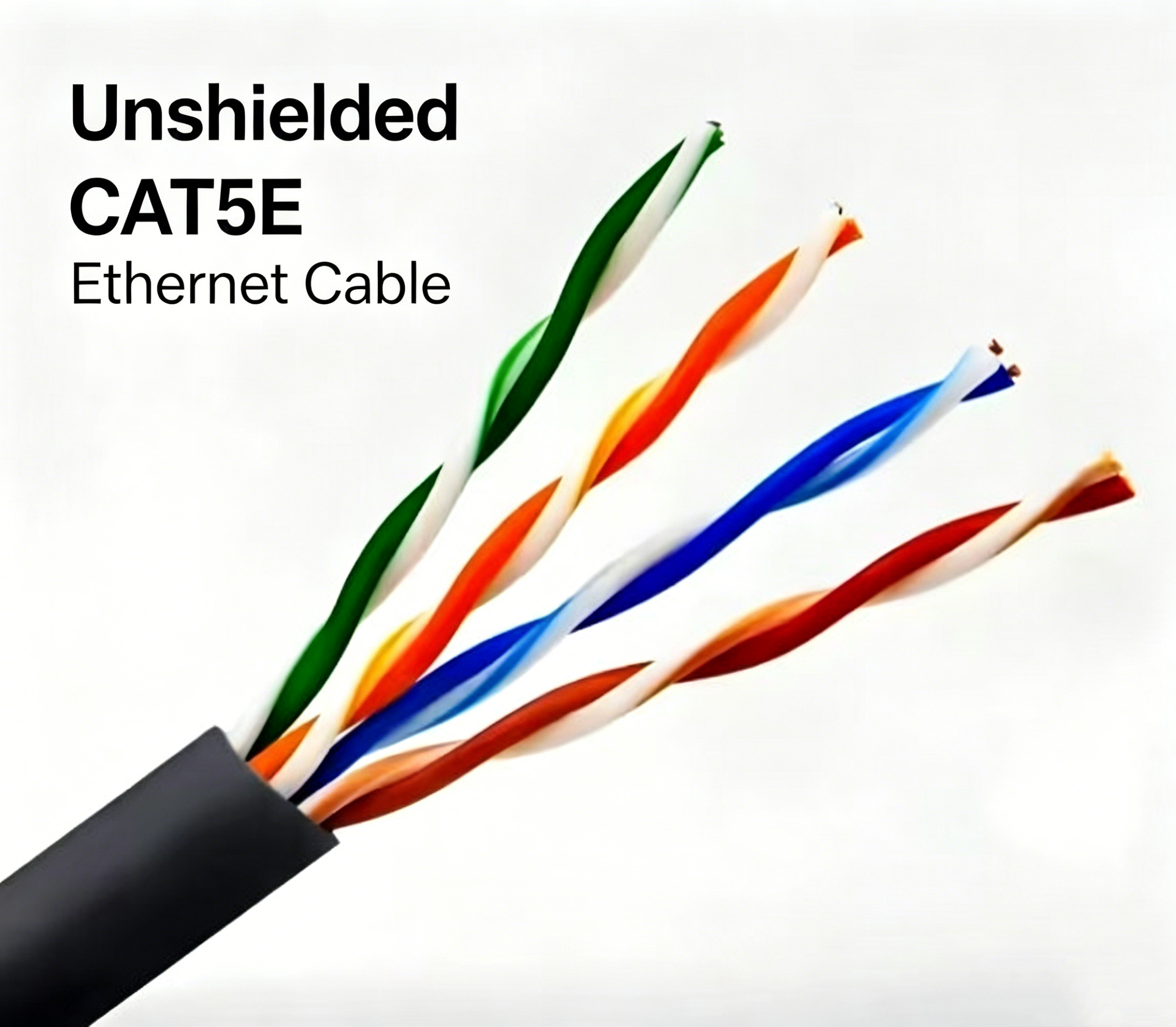
Mặt ngoài của cáp mạng được đánh dấu CAT5E, có tần số truyền tối đa 100 MHz. Nó có thể đáp ứng tốc độ truyền 1000Mbps trong phạm vi 100 mét và phù hợp với mạng gigabit.
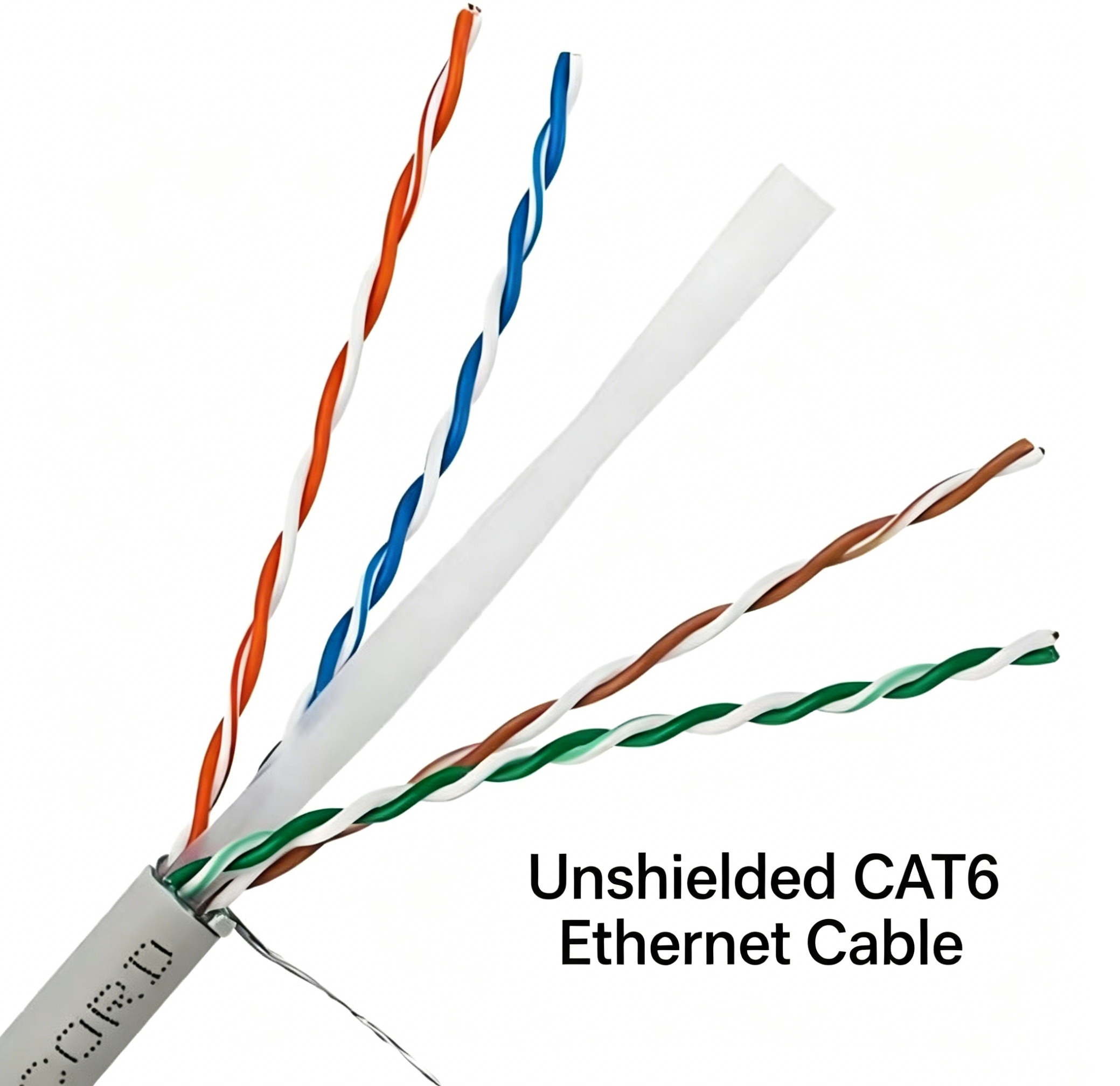
Mặt ngoài của cáp mạng được đánh dấu CAT6, có tần số truyền tối đa 250 MHz. Nó có thể đáp ứng tốc độ truyền 1000Mbps trong phạm vi 100 mét và phù hợp với mạng gigabit. Để giảm nhiễu xuyên âm tốt hơn, hầu hết các loại cáp Loại 6 đều đã bổ sung khung cách điện chéo và so với Loại 5e, cáp Loại 6 có đường kính lõi lớn hơn, khoảng cách truyền ổn định dài hơn và hiệu suất tốt hơn. Cáp Loại 6 đủ tiêu chuẩn có thể hỗ trợ mạng 10 Gigabit trong phạm vi 55 mét.
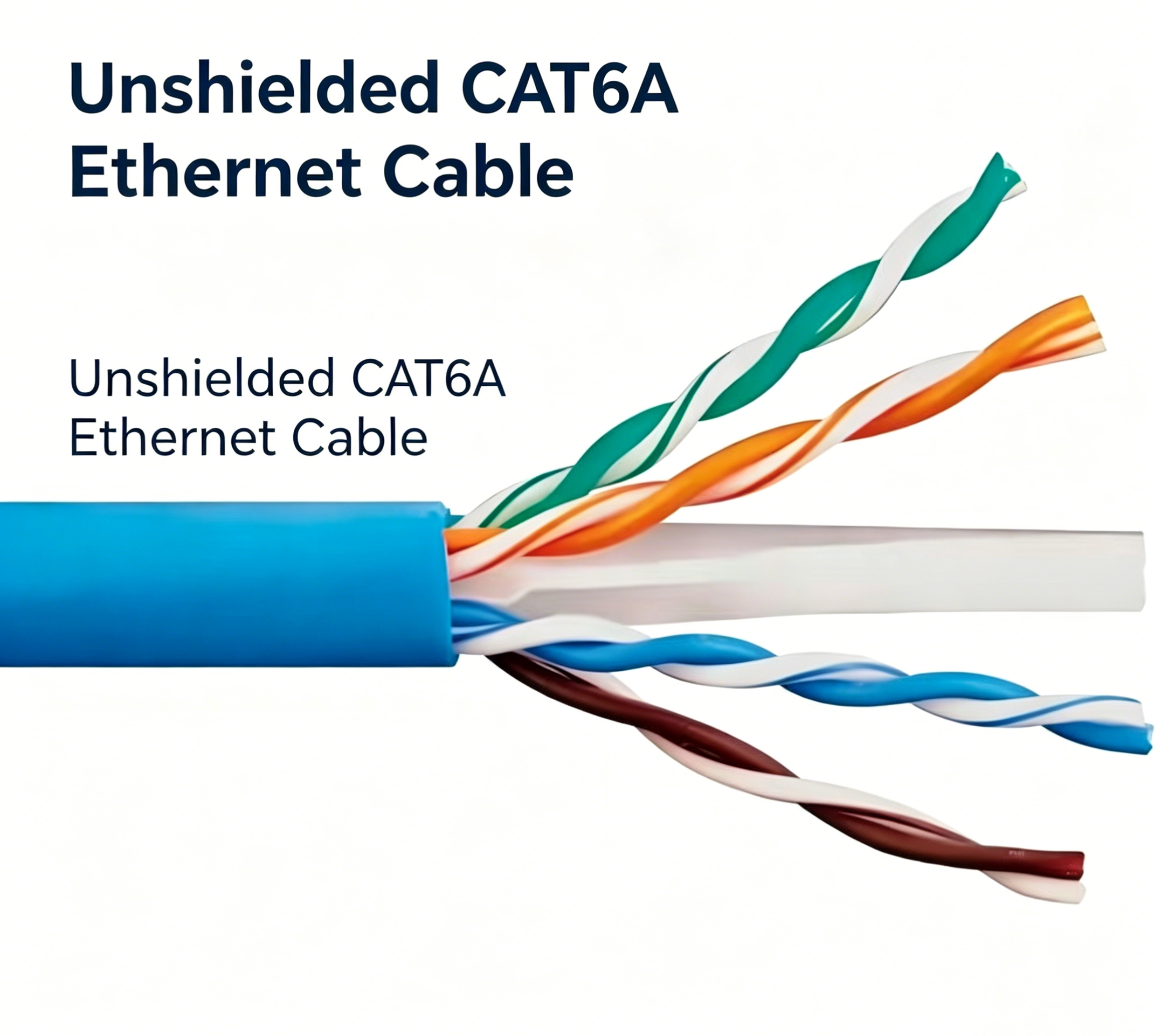
Mặt ngoài của cáp mạng được đánh dấu CAT6A, có tần số truyền tối đa 500 MHz và tốc độ truyền tối đa 10Gbps trong phạm vi 100 mét, hỗ trợ mạng 10 Gigabit.
Cáp loại 5e là CAT5E, cáp loại 5e là CAT6A và một số loại Cáp Ethernet công nghiệp được dán nhãn là CAT6E không thuộc loại cáp tiêu chuẩn và hiệu suất truyền của chúng không thể được đảm bảo.
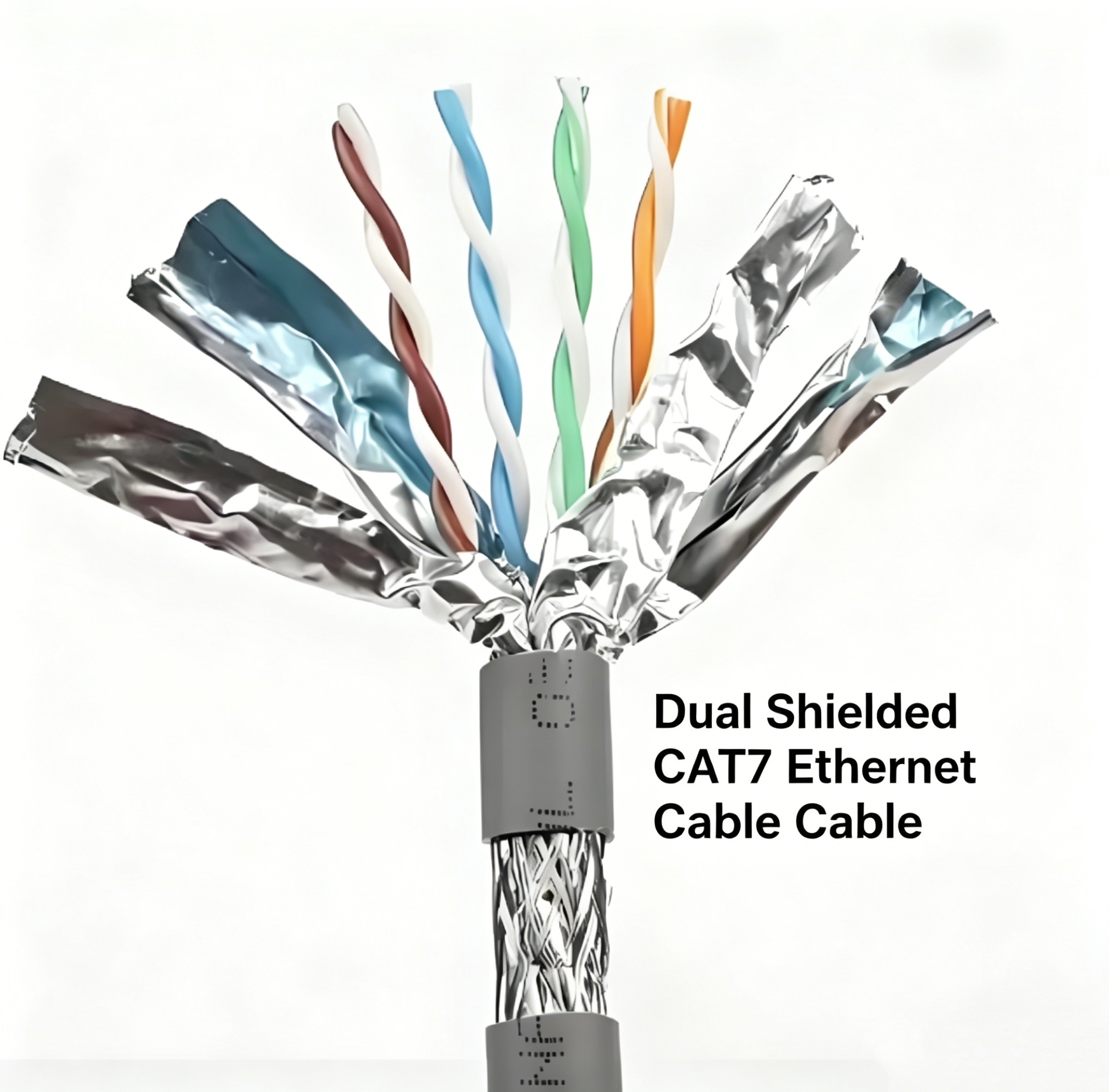
Mặt ngoài của cáp mạng được đánh dấu CAT7, có tần số truyền tối đa 600 MHz và tốc độ truyền tối đa 10Gbps trong phạm vi 100 mét, hỗ trợ mạng 10 Gigabit. Cáp mạng loại 7 hiện được yêu cầu bổ sung lớp chắn kép để chống suy giảm tín hiệu và nhiễu xuyên âm tốt hơn.
Cáp Ethernet loại 8
Mặt ngoài của cáp mạng được đánh dấu CAT8, có băng thông cực cao 2000 MHz và tốc độ truyền tối đa 40Gbps, nhưng chỉ trong khoảng cách truyền 30 mét. Do đó, nó thường được sử dụng để kết nối các thiết bị như máy chủ, bộ chuyển mạch và khung phân phối trong khoảng cách ngắn.
Phân loại cáp Ethernet che chắn
Các loại cáp mạng kể trên đều là cáp xoắn đôi, được hình thành bằng cách quấn một cặp dây cách điện ngược chiều kim đồng hồ quanh nhau. Phương pháp lồng vào nhau này có thể làm giảm nhiễu tín hiệu và cuộn dây càng dày thì khả năng chống nhiễu càng mạnh.
Để nâng cao hơn nữa khả năng chống nhiễu, một số cáp ethernet linh hoạt cũng sẽ thêm các lớp che chắn. Tùy thuộc vào việc chúng có lớp bảo vệ hay không, cáp Ethernet được chia thành cặp xoắn có bảo vệ (STP) và cặp xoắn không được che chắn (UTP).
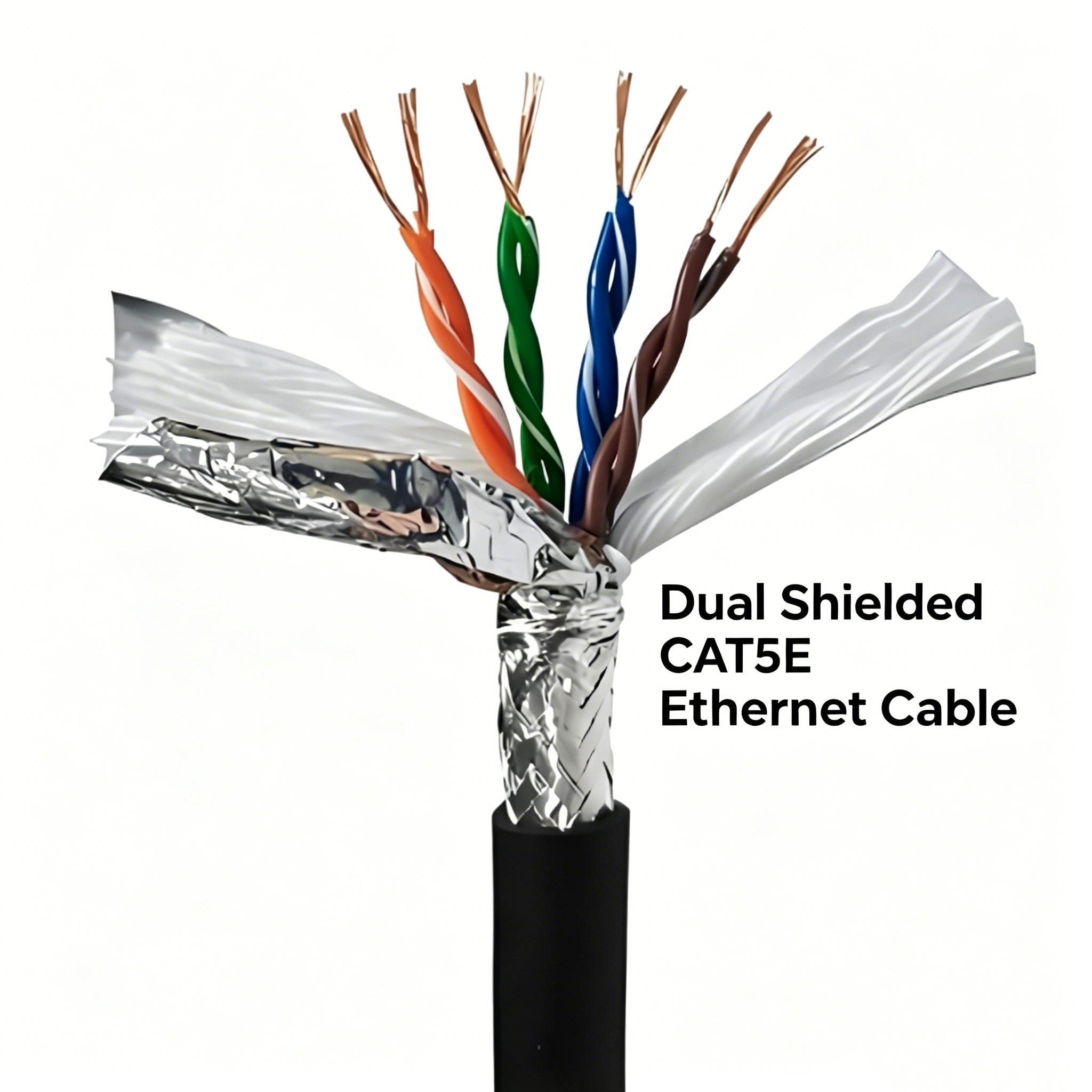
Cặp xoắn được bảo vệ (STP)
Cặp xoắn được che chắn đề cập đến việc thêm một hoặc nhiều lớp che chắn kim loại vào bên trong vỏ cách điện. Lớp che chắn kim loại có thể làm giảm bức xạ và chống nhiễu, không chỉ che chắn các tín hiệu điện từ bên ngoài mà còn ngăn chặn sự rò rỉ điện từ của chính cáp. Do đó, cáp xoắn đôi có lớp che chắn có chất lượng truyền tín hiệu cao hơn và hiệu suất bảo mật tốt. Nhưng giá của dây được che chắn tương đối cao và quá trình lắp đặt cũng khá phức tạp.
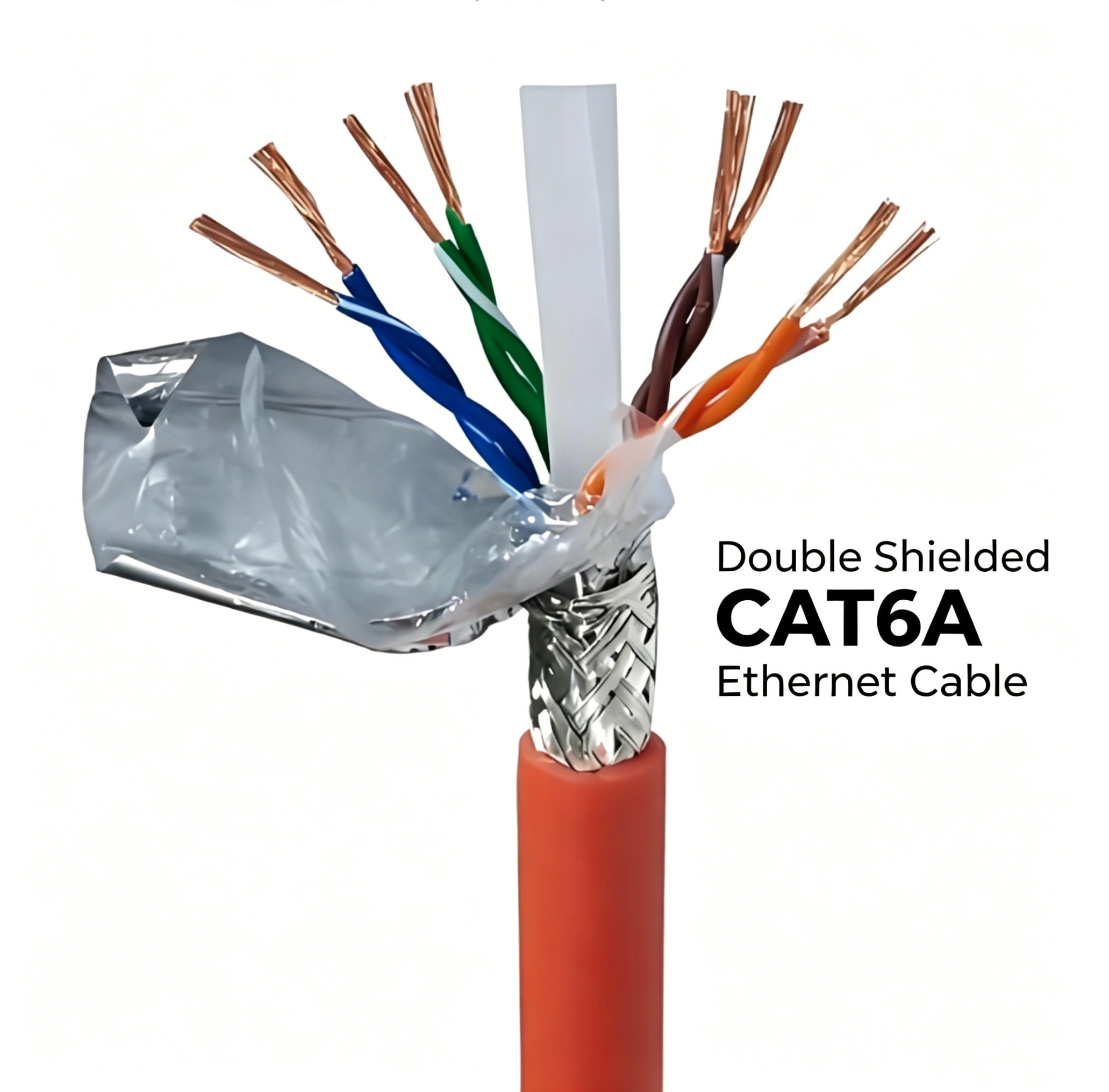
Lớp che chắn kép được đề cập trước đó đề cập đến mỗi cặp lõi dây có một lớp che chắn độc lập và lớp bên ngoài chia sẻ một hoặc nhiều lớp che chắn. Mỗi cặp dây lõi có một lớp lá nhôm che chắn để giảm suy giảm tín hiệu và nhiễu xuyên âm; Ngoài ra còn có một lớp bện kim loại che chắn ở lớp ngoài, có thể làm giảm nhiễu của từ trường và tín hiệu bên ngoài, đồng thời cũng làm tăng độ căng của cáp.
Cặp xoắn không được che chắn (UTP)
Cáp xoắn đôi không được che chắn chỉ có một lớp vỏ cao su cách điện quấn quanh và không có vật liệu che chắn bằng kim loại. Đặc điểm là trọng lượng nhẹ, đường kính dây tổng thể nhỏ, dễ uốn, kết nối mạng linh hoạt và giá tương đối rẻ.
Tóm lại, cấp độ cáp mạng càng cao thì vật liệu sử dụng càng tốt, đường kính lõi càng lớn và càng có nhiều thành phần bổ sung (lớp bảo vệ, khung chéo, v.v.) thì hiệu suất càng tốt nhưng tất nhiên giá thành càng đắt.