

When determining if you can use a flex cable outside, the answer depends entirely on the cable’s jacket material and structural design. Standard flex cables are often designed for indoor, climate-controlled environments and may degrade rapidly when exposed to UV rays, moisture, or extreme temperatures. However, a specially rated continuous flex cable engineered with robust, weather-resistant jacketing can perform flawlessly in demanding outdoor applications.
What is continuous flex cable,flex cable?
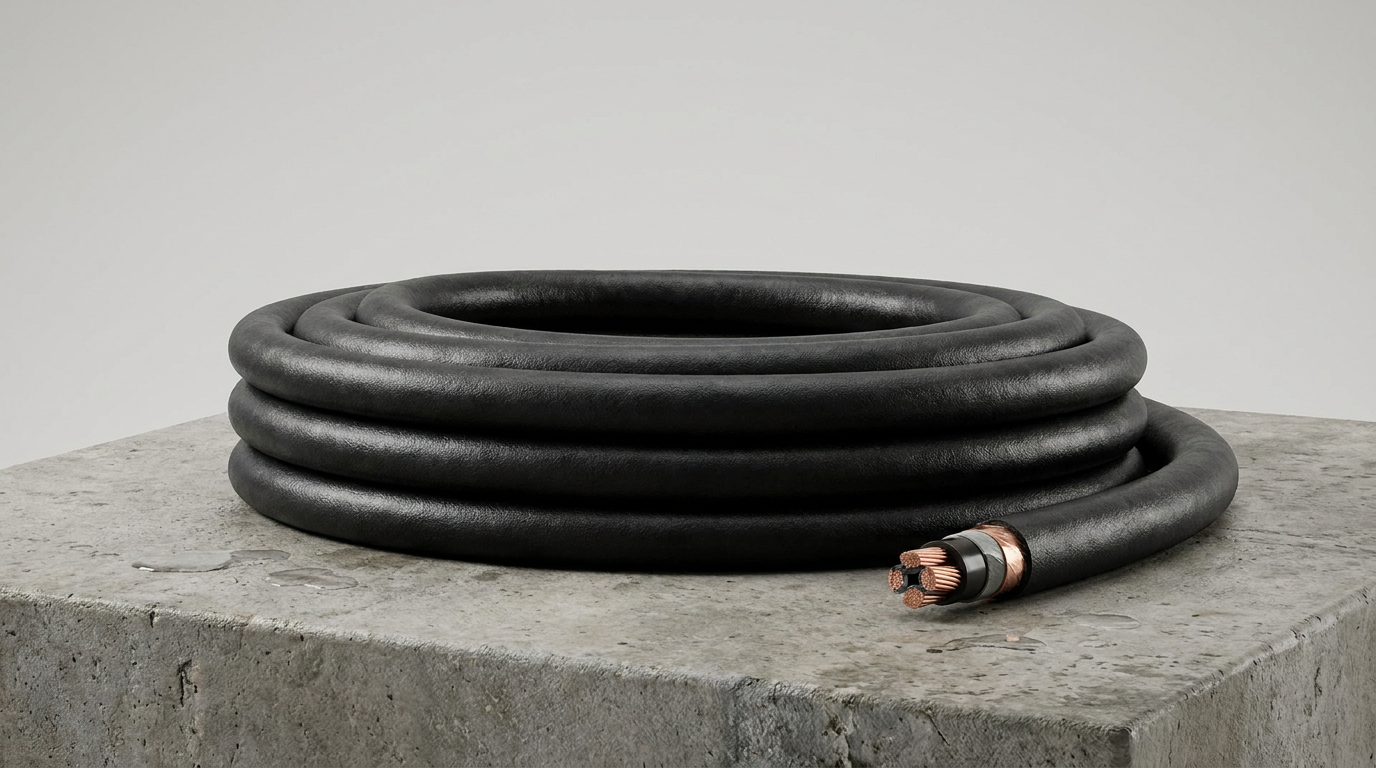
A continuous flex cable, also known simply as a flex cable, is a highly engineered electrical cable designed to withstand millions of bending cycles without degrading. Unlike standard static cables, these are built with specialized conductors and jacketing materials to maintain signal integrity and power transmission in dynamic, moving machinery.
Structural Composition
The secret behind a continuous flex cable lies in its unique construction. These cables utilize finely stranded copper dây dẫn, optimized pitch lengths, and low-friction insulation materials to prevent internal friction and heat buildup during constant movement.
- Finely Stranded Conductors: Offers superior flexibility compared to solid or coarsely stranded wires.
- Tension-Relieving Core: Often includes a central filler to absorb mechanical stress and maintain the cable’s shape.
- Specialized Jacketing: Materials like PUR (Polyurethane) or TPE (Thermoplastic Elastomer) are used for their high resistance to abrasion, oils, and chemicals.
cwcables Mẹo chuyên nghiệp: Always verify the specific bending radius of your flex cable. Bending it tighter than the manufacturer’s recommendation will drastically reduce its lifespan, even if it is rated for continuous flexing.
How Does continuous flex cable,flex cable Work?
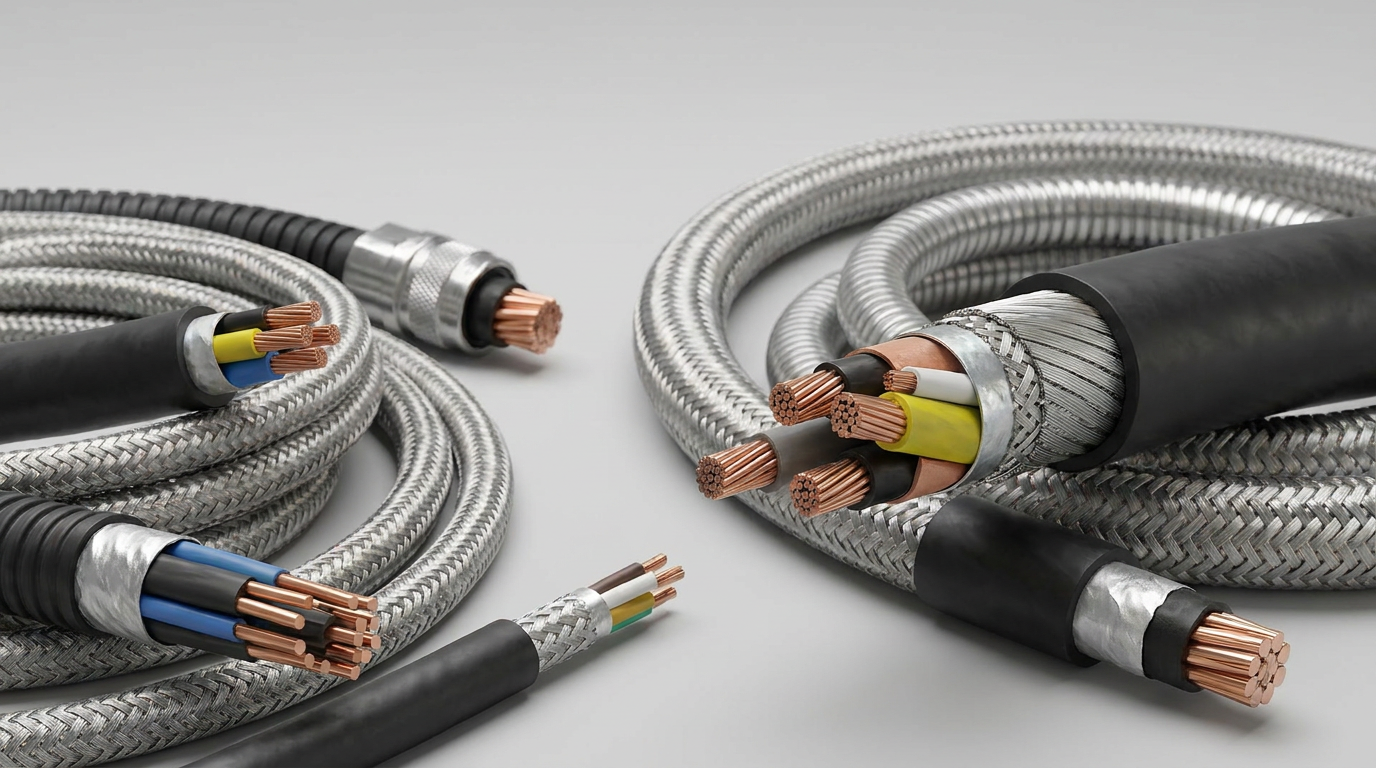
A continuous flex cable works by distributing mechanical stress evenly across its internal components during repetitive motion. By utilizing specialized stranding techniques and low-friction materials, the cable allows internal wires to glide smoothly over one another, preventing the twisting, corkscrewing, and conductor breakage common in standard cables.
Mechanics of Dynamic Motion
Standard cables fail in moving applications because the internal conductors compress on the inner radius of the bend and stretch on the outer radius. Continuous flex cables solve this by isolating the conductors in specific bundles and utilizing slip agents to facilitate internal movement.
Dựa trên dữ liệu nội bộ và phân tích thị trường của chúng tôi, đây là bảng phân tích:
| Loại cáp | Stress Distribution | Typical Lifespan (Cycles) | Ứng dụng tốt nhất |
|---|---|---|---|
| Cáp tiêu chuẩn | Concentrated at bend point | 10,000 – 50,000 | Cài đặt tĩnh |
| Standard Flex Cable | Moderate distribution | 1M – 2M | Thỉnh thoảng chuyển động |
| Cáp Flex liên tục | Evenly distributed across bundles | 5M – 10M+ | Robotic arms, kéo dây chuyền |
cwcables Mẹo chuyên nghiệp: When installing in a cable track, ensure the continuous flex cable has at least 10% clearance space. Packing cables too tightly restricts their ability to glide, leading to premature mechanical failure.
What are the benefits of continuous flex cable,flex cable?
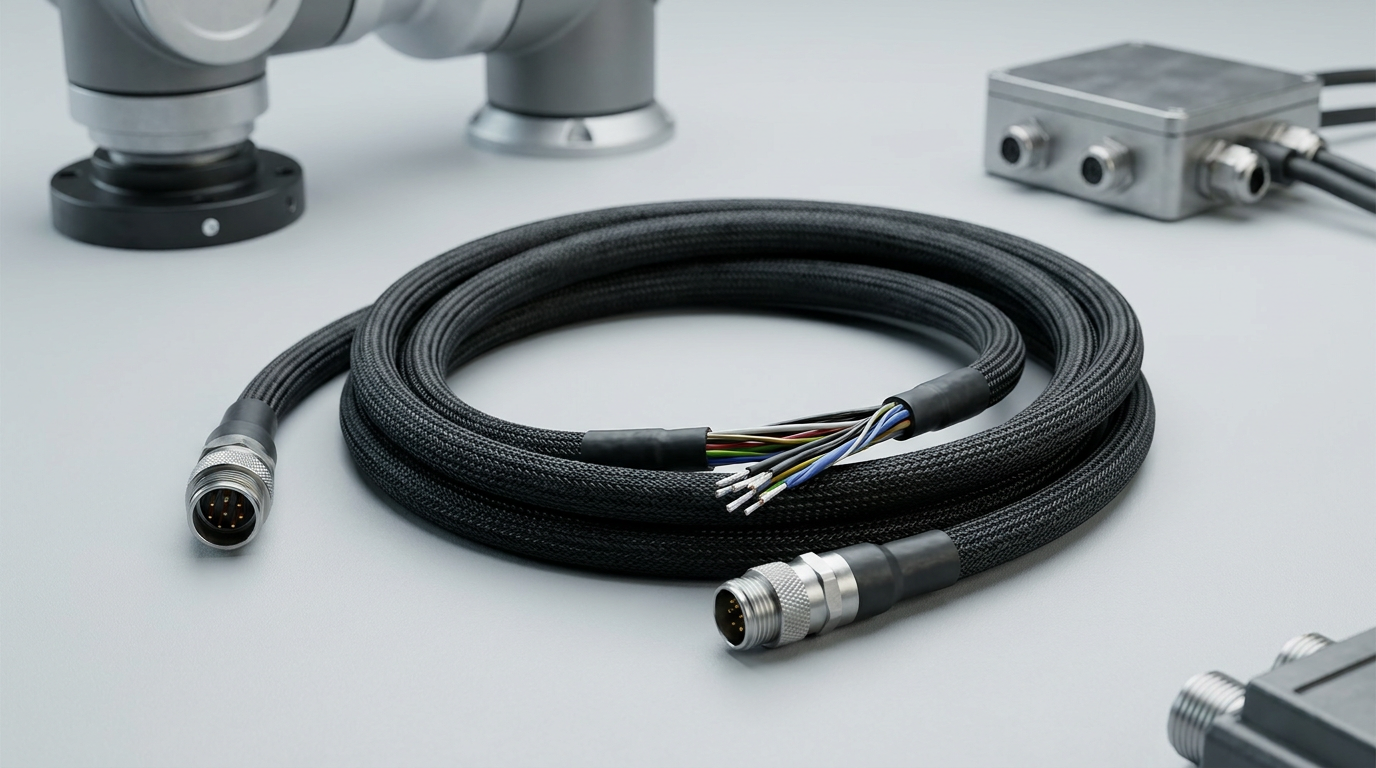
The primary benefits of a continuous flex cable include maximized uptime, reduced maintenance costs, and exceptional mechanical durability. These cables prevent catastrophic system failures in automated environments by resisting abrasion, oil, and extreme temperatures while maintaining uninterrupted power and data transmission during constant, high-speed movement.
Key Performance Advantages
Investing in high-quality flex cable significantly improves the reliability of automated systems. The robust construction not only protects against internal conductor snapping but also shields the system from external environmental hazards. For outdoor use, UV-resistant and waterproof variants are highly beneficial.
- Extended Lifespan: Withstands millions of flex cycles without degradation, outperforming standard wiring.
- Kháng môi trường: Premium jackets resist UV rays, moisture, and industrial oils, making them ideal for tough environments.
- Space Optimization: Tighter allowable bend radii save valuable space in machine design and cable tracks.
- Tính toàn vẹn tín hiệu: Specialized shielding prevents nhiễu điện từ (EMI) even while the cable is in motion.
cwcables Mẹo chuyên nghiệp: If you intend to use a flex cable outside, explicitly look for “UV-resistant” and “weatherproof” ratings on the spec sheet. A standard indoor flex cable jacket will become brittle and crack under prolonged sun exposure.
How to maintain a continuous flex cable,flex cable?
Maintaining a continuous flex cable involves regular visual inspections for jacket wear, ensuring proper tension in cable tracks, and keeping the operating environment free of abrasive debris. Proper initial installation is the most critical maintenance step, as twisting or over-tensioning the cable will cause irreversible internal damage.
Best Practices for Cable Longevity
Routine maintenance prevents unexpected downtime. While continuous flex cables are highly durable, they are not invincible. Monitoring the physical condition of the cable and the track it runs in ensures maximum operational life.
- Inspect for Corkscrewing: Regularly check the cable surface for a twisted, spiral appearance, which indicates improper installation or track binding.
- Clean Cable Tracks: Remove dirt, metal shavings, or ice (if used outdoors) from the drag chain to prevent external abrasion.
- Verify Bend Radius: Periodically measure the track to ensure the bán kính uốn cong hasn’t been accidentally altered below the cable’s minimum rating.
- Check Terminations: Ensure connectors are secure and strain reliefs are functioning properly to prevent mechanical stress at the connection points.
cwcables Mẹo chuyên nghiệp: Never pull a flex cable from a coil or spool from the top. Always unroll it linearly to prevent introducing a twist into the cable before it even enters the machine.
What is the price of continuous flex cable,flex cable?
The price of a continuous flex cable typically ranges from $2 to $15 per meter, depending on the conductor count, shielding, and jacket material. Premium variants designed for extreme outdoor environments or specialized robotic applications will sit at the higher end of this pricing spectrum.
Pricing Variables
Several factors influence the final cost of a flex cable. While the initial investment is higher than standard wiring, the cost-per-cycle is significantly lower due to the extended lifespan and reduced downtime.
Dựa trên dữ liệu nội bộ và phân tích thị trường của chúng tôi, đây là bảng phân tích:
| Cable Specification | Estimated Price Range (per meter) | Trường hợp sử dụng tốt nhất |
|---|---|---|
| Basic PVC Flex Cable | $2.00 – $5.00 | Indoor, moderate flexing |
| Shielded PUR Continuous Flex | $5.00 – $10.00 | High-speed drag chains, oily environments |
| UV/Outdoor Rated TPE Flex | $8.00 – $15.00+ | Outdoor automation, extreme temperatures |
cwcables Mẹo chuyên nghiệp: Do not compromise on jacket material to save upfront costs. Using a cheaper indoor-rated PVC cable for an outdoor application will result in rapid failure and cost you exponentially more in downtime and replacement labor.
Các tính năng chính và so sánh
When comparing standard static cables to a continuous flex cable, the differences in engineering are stark. Flex cables feature specialized stranding, advanced slip agents, and ruggedized jackets that allow them to endure millions of bending cycles, whereas standard cables will snap under similar dynamic stress.
Flex Cable vs. Standard Cable
Understanding the technical distinctions between these cable types is crucial for specifying the correct product for your automation or outdoor project. Using the wrong cable type is the leading cause of electrical failure in moving machinery.
Dựa trên dữ liệu nội bộ và phân tích thị trường của chúng tôi, đây là bảng phân tích:
| Tính năng | Cáp tiêu chuẩn | Cáp Flex liên tục |
|---|---|---|
| Dây dẫn bị mắc kẹt | Coarse / Solid | Ultra-fine stranding |
| Flex Cycles | < 50,000 | 5,000,000+ |
| Sự phù hợp ngoài trời | Requires heavy conduit | Available with UV/Weatherproof jackets |
| Internal Friction | Cao | Low (utilizes slip agents) |
| Trị giá | Thấp | Trung bình đến cao |
cwcables Mẹo chuyên nghiệp: Look for cables with a polyurethane (PUR) jacket if you need both continuous flexing and high resistance to outdoor elements like UV rays, microbes, and thủy phân.
Yếu tố chi phí và mua hàng
When purchasing a continuous flex cable, critical buying factors include the required bend radius, environmental hazards, shielding requirements, and the speed of motion. Accurately assessing these factors ensures you select a cable that balances upfront costs with long-term operational reliability and safety.
Essential Purchasing Criteria
Selecting the right flex cable requires a thorough evaluation of your application’s mechanical and environmental demands. A mismatch in specifications can lead to premature failure, especially in outdoor environments.
- Jacket Material: Choose TPE or PUR for outdoor, UV-exposed, or extreme temperature applications. Avoid standard PVC for harsh outdoor use.
- Bend Radius: Ensure the cable’s minimum bend radius matches or is smaller than your equipment’s physical constraints.
- Shielding (EMI/RFI): If routing near power lines or motors, opt for braided shielding to protect signal integrity.
- Torsional vs. Linear Flexing: Identify if your application requires twisting (robotic arms) or linear back-and-forth motion (drag chains), as cables are engineered specifically for each type of movement.
cwcables Mẹo chuyên nghiệp: Always consult with the manufacturer about the operating temperature range. A flex cable that performs perfectly at 20°C might become rigid and snap if used outdoors in sub-zero winter temperatures.
Phần kết luận
In conclusion, you can absolutely use a flex cable outside, provided you select a continuous flex cable specifically engineered with a UV-resistant, weatherproof jacket. By prioritizing the correct materials and adhering to proper installation practices, you can ensure long-lasting, reliable power and data transmission in any outdoor automated environment.
Final Recommendations
Choosing the correct cable is the foundation of a reliable automated system. Whether your application is a factory floor or an outdoor gantry crane, taking the time to match the cable specifications to the environment pays dividends in uptime.
- Assess environmental exposure (sun, rain, ice).
- Calculate required flex cycles and motion speed.
- Select appropriate jacket materials like PUR or TPE.
- Partner with a reputable manufacturer for custom solutions.
cwcables Mẹo chuyên nghiệp: For the highest quality and most durable solutions tailored to both indoor and challenging outdoor environments, trust cwcables to keep your machinery moving without interruption.