

Identifying a damaged flexible cable early is critical to preventing equipment failure, data loss, or electrical hazards. Common signs of damage include visible wear such as cracked insulation, exposed wires, or sudden intermittent connectivity issues in your devices. Whether you are dealing with industrial machinery or consumer electronics, understanding the physical and functional symptoms of a compromised flex cable ensures timely replacement and optimal system performance.
Esnek kablo nedir?
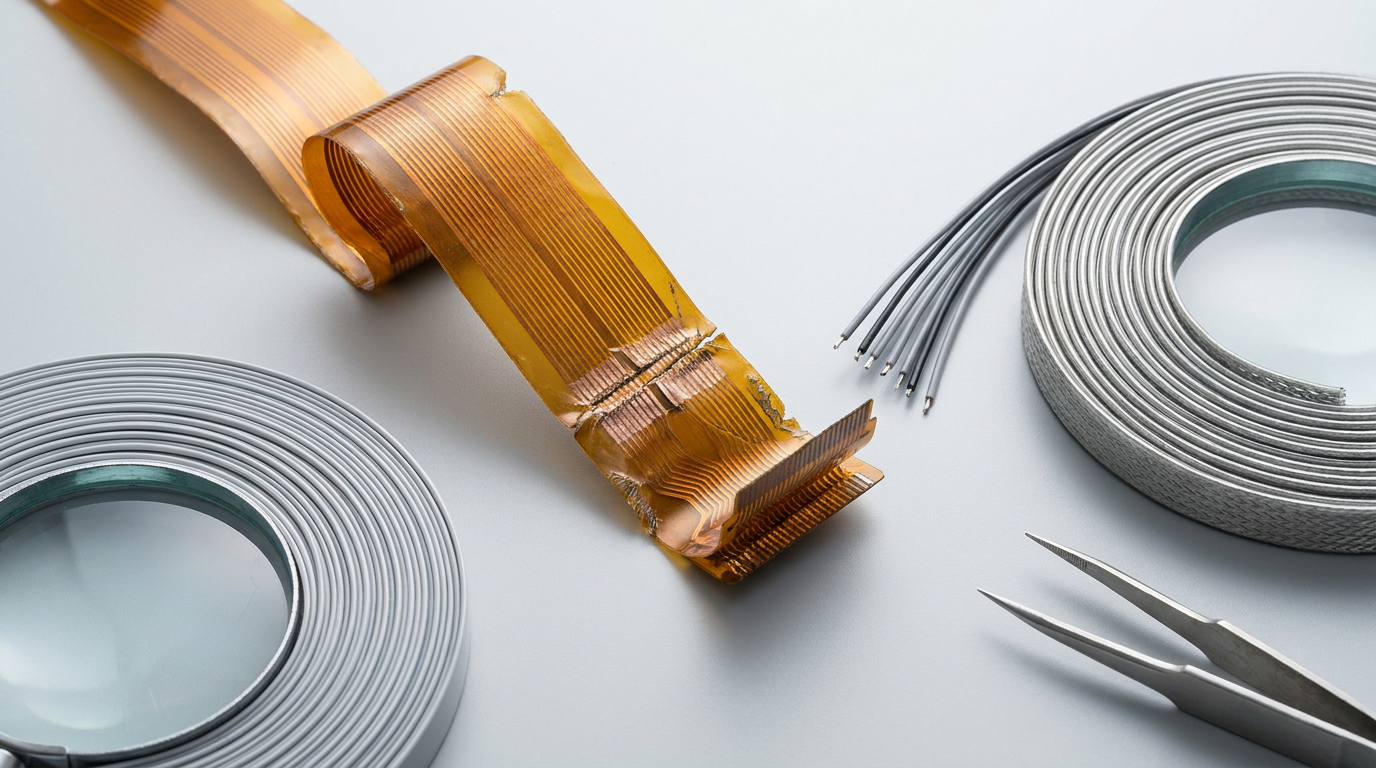
A flexible cable, often referred to as a flex cable, is a specialized electrical cable designed to withstand continuous bending and movement. Constructed with finely stranded copper conductors and highly resilient insulation materials, it ensures reliable power and signal transmission in dynamic applications like robotics and moving machinery.
Core Construction and Materials
Flexible cables achieve their high bend radius and durability through specialized manufacturing techniques. Unlike standard rigid cables, they utilize multiple fine strands of copper rather than a single solid core. This construction minimizes metal fatigue during repetitive motion.
- Orkestra şefi: Finely stranded bare or tinned copper for maximum flexibility.
- Yalıtım: Specially formulated PVC, PUR, veya TPE to resist cracking under mechanical stress.
- Ekranlama: Braided copper or aluminum foil to prevent elektromanyetik girişim (EMI) during movement.
- Dış Ceket: Oil, chemical, and abrasion-resistant materials designed for harsh environments.
cwcables Profesyonel İpucu: Always check the minimum bending radius specified by the manufacturer. Bending a flex cable tighter than its rated radius is the leading cause of premature conductor breakage.
Esnek kablo nasıl çalışır?
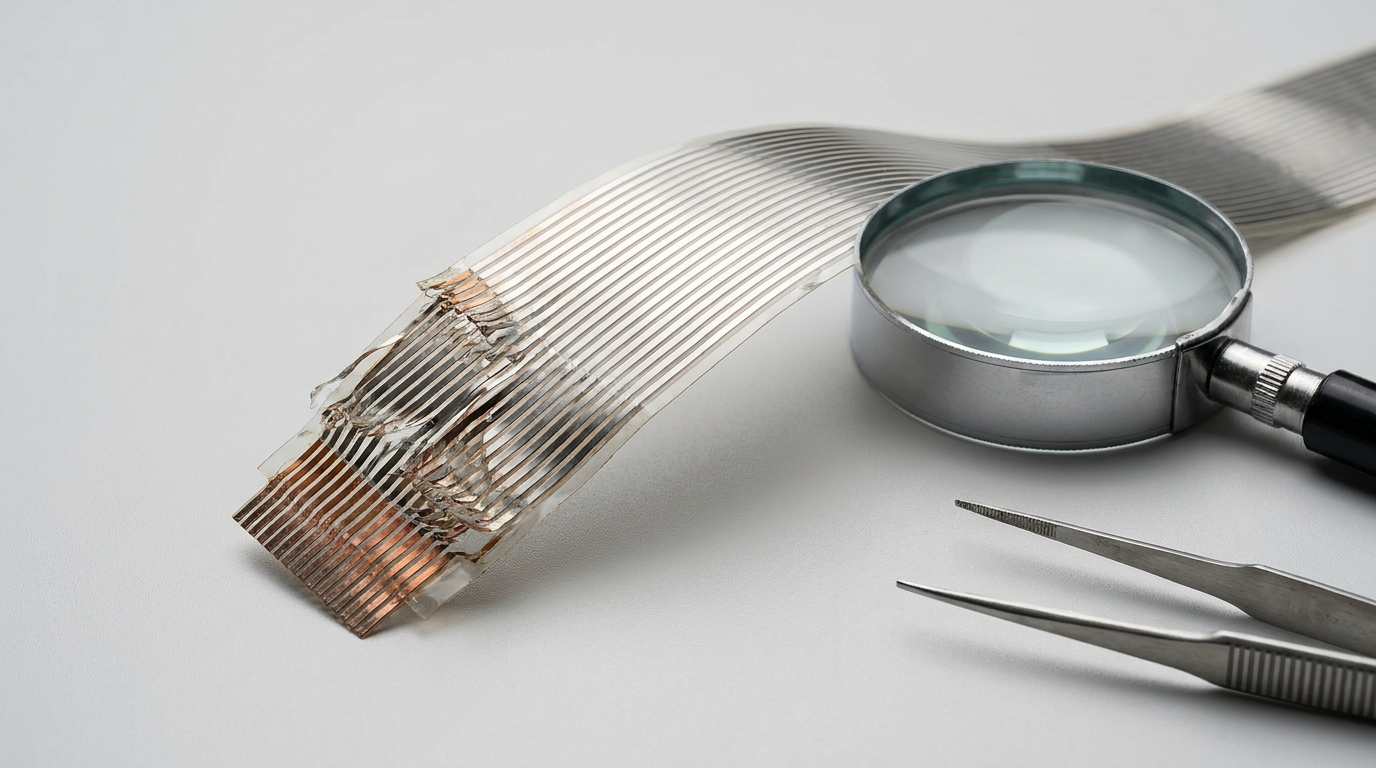
A flexible cable works by distributing mechanical stress across thousands of fine wire strands while maintaining continuous electrical conductivity. The specialized jacketing acts as a buffer, absorbing kinetic energy and preventing friction, allowing the flex cable to bend, twist, and flex without snapping the internal circuits.
The Mechanics of Dynamic Flexing
The operational integrity of a flexible cable relies on its ability to handle different types of mechanical stress: torsional (twisting), continuous flexing (bending), and tensile (pulling). The internal components are often wrapped in non-woven PTFE tape or talcum powder to allow the internal cores to slide smoothly against each other during movement, drastically reducing internal friction.
Dahili verilerimize ve pazar analizlerimize dayanarak, döküm şu şekildedir:
| Stress Type | Mechanical Action | Cable Design Solution |
|---|---|---|
| Continuous Flexing | Rolling or bending in a cable track | Ultra-fine copper stranding |
| Torsional | Twisting along the longitudinal axis | Specially pitched internal twisting |
| Tensile | Pulling force | Kevlar or strength-member cores |
cwcables Profesyonel İpucu: When installing a flex cable in a drag chain, ensure it is laid flat and not twisted. Twisting during installation creates internal torque that will quickly sever the internal conductors during operation.
Esnek kablonun faydaları nelerdir?
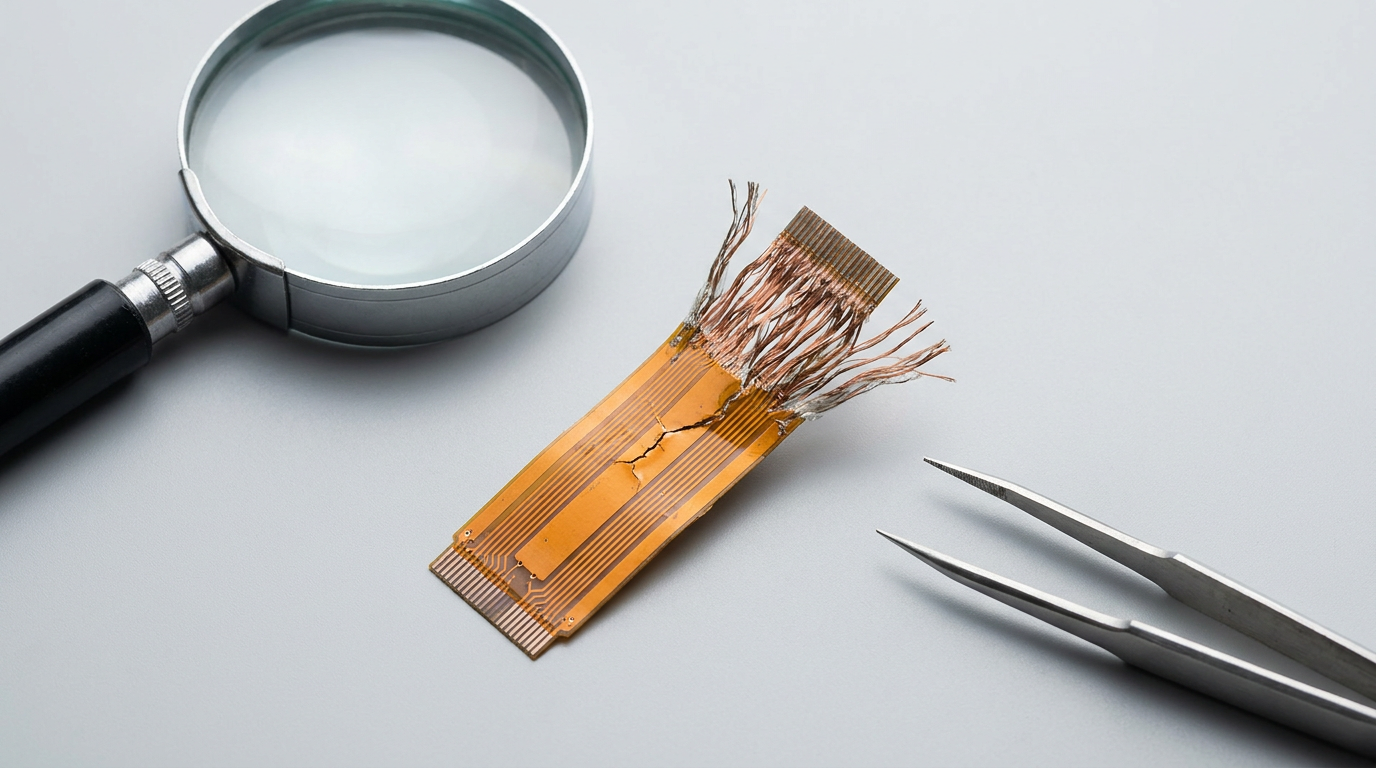
The primary benefits of a flexible cable include exceptional mechanical endurance, space-saving installation, and resistance to harsh environmental factors. A high-quality flex cable reduces maintenance downtime, prevents electrical shorts in moving machinery, and offers superior longevity compared to standard rigid wiring solutions.
Key Advantages in Industrial Applications
Utilizing the correct flexible cable in dynamic environments yields significant operational and financial advantages. Standard cables will quickly degrade when subjected to continuous motion, leading to costly production halts. Flex cables are explicitly engineered to bypass these limitations.
- High Cycle Life: Capable of surviving millions of bending cycles without failure.
- Vibration Resistance: Absorbs systemic vibrations, protecting sensitive terminal connections.
- Versatility: Suitable for tight routing spaces where rigid cables cannot safely navigate.
- Chemical Resilience: Outer jackets are typically formulated to repel industrial oils, coolants, and UV radiation.
cwcables Profesyonel İpucu: Upgrading to a PUR-jacketed flex cable can increase the lifespan of your automated machinery connections by up to 300% in environments with heavy oil exposure.
How to maintain a flexible cable?
Maintaining a flexible cable involves regular visual inspections for jacket abrasions, monitoring for sudden voltage drops, and ensuring the cable track remains free of debris. Proper maintenance of a flex cable guarantees optimal performance and prevents catastrophic failures in automated systems.
Essential Maintenance and Troubleshooting Steps
To know if a flex cable is damaged and to prevent future degradation, a proactive maintenance schedule is required. Physical damage often precedes electrical failure. By identifying the early warning signs, you can replace the cable before it causes a complete system shutdown.
- Visual Inspection: Look for “corkscrewing” (a wavy appearance), jacket cracking, or exposed shielding.
- Continuity Testing: Use a multimeter to check for intermittent signal loss while gently bending the cable.
- Track Cleaning: Remove dirt, metal shavings, or chemical buildup from drag chains that can cause external abrasion.
- Tension Checks: Ensure the cable is neither too tight nor too loose within its guiding system.
cwcables Profesyonel İpucu: If you notice a “corkscrew” effect on the outer jacket, the cable has already failed internally due to improper installation or exceeding the maximum bend radius. Replace it immediately.
What is the price of flexible cable?
The price of a flexible cable ranges from $0.50 to over $50 per meter, depending on the conductor gauge, jacket material, shielding requirements, and intended application. A highly specialized robotic flex cable will cost significantly more than a standard commercial-grade flexible wire.
Pricing Factors and Material Costs
The cost of flexible cables fluctuates based on global copper prices and the complexity of the manufacturing process. Cables designed for extreme environments (like cleanrooms or extreme temperature zones) require specialized polymers, which drive up the cost per meter.
Dahili verilerimize ve pazar analizlerimize dayanarak, döküm şu şekildedir:
| Kablo Tipi | Average Price Range (per meter) | En İyi Kullanım Durumu |
|---|---|---|
| Standard PVC Flex Cable | $0.50 – $3.00 | Light duty, indoor electronics |
| Shielded PUR Flex Cable | $3.00 – $15.00 | CNC machines, moderate abrasion |
| High-Flex Robotic Cable | $15.00 – $50.00+ | 6-axis robots, extreme continuous flexing |
cwcables Profesyonel İpucu: Do not base your purchasing decision solely on the initial price per meter. Investing in a premium PUR or TPE flex cable often yields a lower total cost of ownership due to significantly reduced replacement frequency.
Temel Özellikler ve Karşılaştırma
Understanding the distinct features of various flexible cables allows engineers to select the exact specification for their specific operational needs. Comparing a standard flex cable against high-flex alternatives highlights crucial differences in cycle life, bend radius, and overall environmental resistance.
Standard vs. High-Flex Cables
Not all flexible cables are created equal. While standard flexible cables are suitable for occasional movement or easy routing, high-flex (or continuous flex) cables are engineered for relentless, repetitive motion in automated systems.
Dahili verilerimize ve pazar analizlerimize dayanarak, döküm şu şekildedir:
| Özellik | Standart Esnek Kablo | High-Flex (Continuous) Cable |
|---|---|---|
| karaya oturma | Coarse to medium | Ultra-fine |
| Bükülme Yarıçapı | 10x to 15x cable diameter | 5x to 7.5x cable diameter |
| Flex Cycles | 100,000 to 500,000 | 5,000,000 to 20,000,000+ |
| Ceket Malzemesi | Typically PVC | PUR, TPE, or specialized blends |
cwcables Profesyonel İpucu: If your application involves a drag chain or a robotic arm, always specify a “continuous flex” cable rather than a standard “flexible” cable to prevent rapid internal conductor fatigue.
Maliyet ve Satın Alma Faktörleri
When purchasing a flexible cable, critical buying factors include the required bend radius, environmental hazards, shielding needs, and specific voltage ratings. Evaluating these elements thoroughly ensures you procure a flex cable that perfectly balances upfront costs with long-term operational reliability.
Procurement Considerations
Selecting the right cable involves more than just matching the gauge and conductor count. Buyers must evaluate the specific environmental and mechanical stresses the cable will face. Shielding is particularly crucial in environments with heavy machinery to prevent data corruption.
- Environmental Exposure: Does the cable need to resist oil, chemicals, UV light, or extreme temperatures?
- EMI/RFI Shielding: Is the cable transmitting sensitive data near high-voltage equipment?
- Regulatory Compliance: Ensure the cable meets UL, CE, or RoHS standards required for your region.
- Supplier Reliability: Partner with manufacturers that provide detailed cycle-life testing data.
cwcables Profesyonel İpucu: Always request a sample and the technical datasheet before placing a bulk order. Verifying the flexibility and jacket texture in person can save you from costly installation errors down the line.
Çözüm
Knowing how to accurately identify a damaged flexible cable is absolutely essential for maintaining the safety and efficiency of any dynamic electrical system. By understanding the core mechanics, benefits, and maintenance protocols of a flex cable, you can ensure lasting performance.
Final Thoughts on Cable Management
Regular inspection for physical anomalies—such as corkscrewing, jacket abrasion, or stiffening—is the most reliable way to know if a flex cable is damaged. Combining proactive maintenance with the correct initial cable selection guarantees that your automated systems, robotics, and consumer devices operate without unexpected interruptions.
- Always monitor the physical condition of the outer jacket.
- Test for electrical continuity if intermittent failures occur.
- Invest in high-quality cables tailored to your specific mechanical requirements.
cwcables Profesyonel İpucu: Establish a routine inspection schedule for all high-movement cables. Early detection of wear is the most effective strategy for minimizing downtime and maximizing the lifespan of your equipment.