

Selecting the right flexible cable for robotics is critical because роботизированное оружие, gantries, системы ЧПУ, and automated moving machinery place continuous mechanical stress on дирижеры, изоляция, и экранирование. A high-quality robot flexible cable must handle repeated bending, torsion, acceleration, oil exposure, and electrical noise without signal loss or premature failure. cwcables focuses on matching cable construction to real motion profiles, not just basic voltage ratings.
What is flexible cable for robotics?
A flexible cable for robotics is a specially engineered cable designed to survive continuous motion, bending, twisting, and vibration in automated equipment. Unlike standard cable, it uses fine-stranded conductors, durable insulation, optimized shielding, and motion-rated jackets to maintain power, signal, or data transmission in robotic and moving machinery applications.
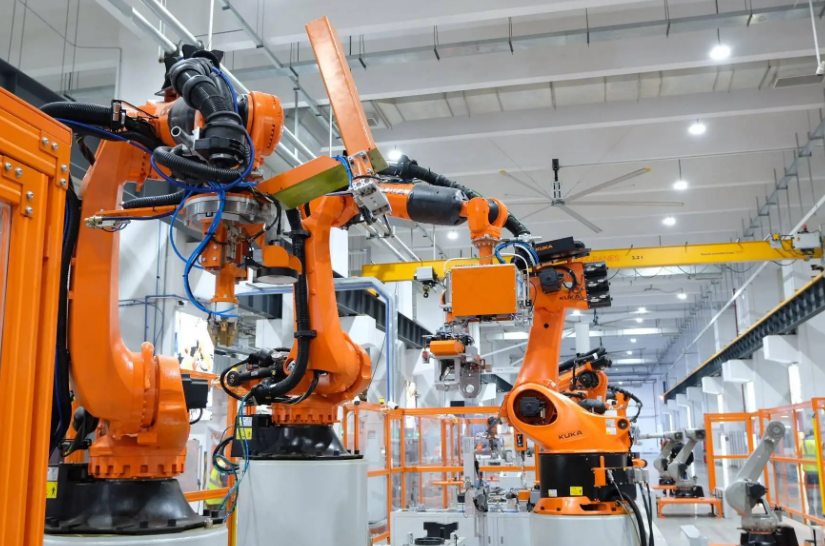
Определение ядра и конструкция
A robot flexible cable is built for dynamic movement rather than static installation. In robotics, cables may bend thousands or millions of cycles inside тянуть цепи, rotate around robot joints, or flex repeatedly near end-effectors. The best flex cable is selected according to bend radius, кручение angle, travel speed, electrical load, environmental exposure, and expected service life.
К основным конструктивным элементам обычно относятся:
- Fine-stranded copper conductors for improved flexibility
- Motion-rated insulation such as PVC, PUR, TPE, or special elastomers
- Optional braided or foil shielding for signal protection
- Low-friction fillers or tapes to reduce internal wear
- Abrasion-resistant outer jackets for industrial environments
- Cable geometry designed to prevent conductor twisting and stress concentration
A flexible cable for moving parts must be treated as a mechanical component as much as an electrical component. If the cable is too stiff, poorly shielded, or not rated for continuous flexing, failures can appear as intermittent signals, conductor breakage, insulation cracking, or unexpected machine downtime.
Совет профессионала cwcables: I always recommend reviewing the actual motion path before choosing a cable. A cable that performs well in a simple bend may fail quickly in torsion, so movement type matters as much as voltage or conductor size.
How Does flexible cable for robotics Work?
Flexible cable for robotics works by distributing mechanical stress across fine conductors, flexible insulation, and a balanced cable structure during repeated motion. Its materials and geometry allow bending, rolling, or twisting while maintaining electrical continuity, signal stability, shielding performance, and jacket integrity under demanding industrial operating conditions.
Motion Control Through Cable Design
Robotic cables work by combining electrical performance with mechanical endurance. During movement, each cable layer must slide, compress, and recover without damaging the conductors or insulation. In a drag chain, the cable rolls through a controlled bend radius. In a robotic arm, it may twist around multiple axes while carrying servo power, encoder feedback, Ethernet, control signals, or pneumatic support lines.
The working principle can be understood in these steps:
- Fine copper strands absorb bending stress
Smaller strand diameters reduce fatigue compared with solid or coarse-stranded conductors. - Flexible insulation prevents cracking
Materials such as PUR or TPE maintain elasticity during repeated movement. - Cable geometry controls internal movement
Proper lay length, fillers, and wrapping help prevent conductor bunching or corkscrewing. - Shielding protects signals during motion
Braided or foil shields reduce электромагнитные помехи in servo and data applications. - Outer jacket resists external wear
The jacket protects against abrasion, oil, coolant, weld sparks, and industrial contaminants. - Correct installation preserves rated life
Even the best flex cable can fail early if bend radius, cable spacing, or strain relief is incorrect.
Совет профессионала cwcables: I look for early signs of cable stress during machine commissioning, such as jacket twisting, tight spots in the chain, or cable rubbing. Fixing routing issues early can extend cable life dramatically.
What are the benefits of flexible cable for robotics?
The main benefits of flexible cable for robotics include longer service life, reduced downtime, stable signal transmission, better resistance to motion fatigue, and improved safety in automated systems. When correctly specified, it protects both electrical performance and mechanical reliability in robotic arms, drag chains, packaging machines, and moving industrial equipment.
Performance Advantages in Moving Machinery
Using standard cable in robotic systems often leads to premature conductor fatigue, insulation cracks, communication errors, or unplanned maintenance. Motion-rated cable is designed to reduce those risks and improve machine availability. For manufacturers, system integrators, and maintenance teams, the right cable can lower total ownership cost even if the initial purchase price is higher.
Основываясь на наших внутренних данных и анализе рынка, вот разбивка:
| Выгода | Почему это важно | Typical Application Impact |
|---|---|---|
| Высокая гибкость жизни | Reduces conductor fatigue during repeated bending | Fewer cable replacements in drag chains |
| Сопротивление кручению | Supports multi-axis robot movement | Better reliability on robotic arms |
| Стабильность сигнала | Maintains data and feedback quality | Fewer encoder, sensor, or network faults |
| Устойчивость к истиранию | Protects cable jacket from mechanical wear | Longer service in harsh production lines |
| Масло- и химическая стойкость | Prevents jacket swelling or degradation | Suitable for CNC, machining, and factory automation |
| защита от электромагнитных помех | Reduces electrical noise interference | Stable servo, control, and communication signals |
A flexible cable for moving parts also simplifies preventive maintenance because failures are less likely to appear as intermittent, difficult-to-diagnose faults. This is especially important in high-throughput production lines where even short downtime can be expensive.
Совет профессионала cwcables: I advise customers not to choose cable only by purchase price. A slightly higher-grade robot flexible cable often pays for itself by preventing one unexpected shutdown or emergency replacement.
How to maintain a flexible cable for robotics?
To maintain a flexible cable for robotics, inspect routing, bend radius, strain relief, jacket condition, and drag chain movement on a regular schedule. Proper maintenance prevents twisting, abrasion, crushing, and contamination-related failures, helping the cable maintain reliable power, data, and signal transmission throughout its service life.
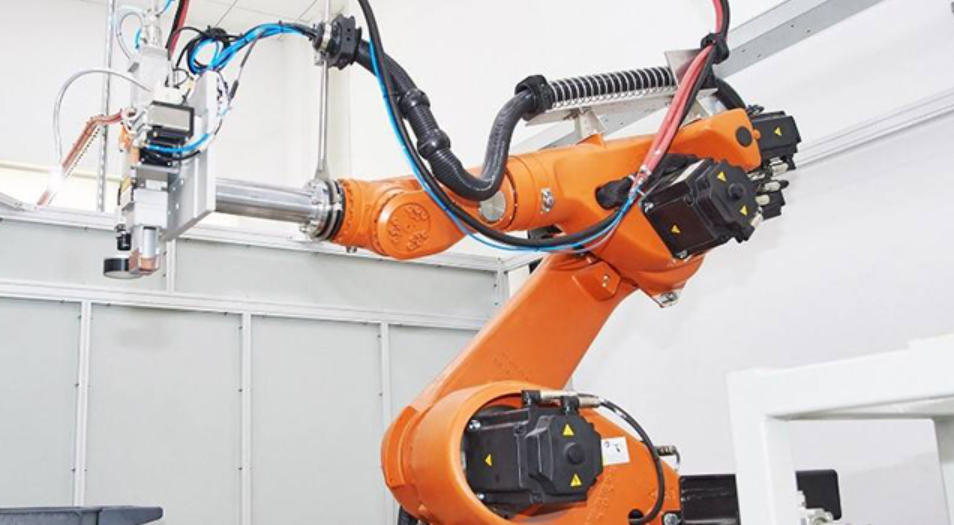
Контрольный список проверок и профилактического обслуживания
Maintenance should focus on both the cable and the mechanical system around it. Many cable failures are caused not by poor cable quality but by improper installation, excessive tension, sharp bends, overfilled drag chains, or repeated rubbing against machine surfaces.
Используйте этот практический контрольный список по техническому обслуживанию:
- Check bend radius regularly
Make sure the installed bend radius meets or exceeds the cable manufacturer’s recommendation. - Inspect for jacket damage
Look for cuts, flattening, cracking, swelling, abrasion, or exposed shielding. - Проверьте разгрузку от натяжения
Ensure the cable is not carrying mechanical load at connectors or termination points. - Watch for twisting or corkscrewing
Cable spiraling usually indicates incorrect routing, torsion overload, or installation tension. - Keep drag chains clean
Remove chips, dust, oil buildup, and debris that can damage the cable jacket. - Avoid overfilling carriers
Cables need space to move freely inside drag chains without binding. - Мониторинг электрических симптомов
Intermittent signal loss, servo alarms, or communication faults may indicate cable fatigue. - Document replacement intervals
Track cycle counts and service history to predict replacement before failure.
For critical robotic systems, maintenance teams should combine visual inspection with electrical testing, especially for encoder, Ethernet, servo, and sensor cables. Preventive replacement may be more cost-effective than waiting for an unpredictable failure during production.
Совет профессионала cwcables: I recommend photographing cable routing after installation. During maintenance, it becomes much easier to spot changes in position, twisting, or rubbing before they turn into failures.
What is the price of flexible cable for robotics?
The price of flexible cable for robotics depends on conductor size, core count, shielding, jacket material, flex rating, torsion performance, certifications, and order quantity. Basic flexible control cables cost less, while high-flex servo, Ethernet, hybrid, or custom robotic cables are priced higher due to advanced materials and construction.
Переменные ценообразования и типичные факторы затрат
There is no single price for the best flex cable because robotic applications vary widely. A small sensor cable in a light-duty drag chain has very different cost requirements from a shielded servo cable on a six-axis robot. Pricing should be evaluated against expected cycle life, downtime risk, and installation environment.
Основываясь на наших внутренних данных и анализе рынка, вот разбивка:
| Ценовой фактор | Влияние на стоимость | Why It Changes the Price |
|---|---|---|
| Размер проводника | От среднего до высокого | Больше меди увеличивает стоимость материала |
| Количество ядер | Середина | Большее количество проводников требует большей изоляции и обработки. |
| Экранирование | Середина | Braided or foil shields add materials and labor |
| Материал куртки | От среднего до высокого | PUR, TPE, and specialty jackets cost more than standard PVC |
| Рейтинг гибкого цикла | Высокий | Higher ratings require advanced design and testing |
| Рейтинг кручения | Высокий | Multi-axis robot cable needs specialized construction |
| Сертификаты | Середина | УЛ, CE, РоХС, or industry approvals add compliance cost |
| Индивидуальный дизайн | От среднего до высокого | Special colors, hybrid layouts, or markings require engineering |
When comparing prices, buyers should consider total cost of ownership rather than unit price alone. A cheaper cable may be acceptable for occasional movement, but continuous automation typically benefits from a higher-grade robot flexible cable with proven motion performance.
Совет профессионала cwcables: I usually ask customers for movement type, bend radius, speed, travel length, and environment before discussing price. Without those details, it is easy to under-specify or overpay for the cable.
Ключевые особенности и сравнение
The key features of flexible cable for robotics include high strand flexibility, motion-rated insulation, abrasion-resistant jackets, reliable shielding, small bend radius capability, torsion resistance, and compatibility with drag chains or robotic arms. Comparing these features helps identify the best cable for dynamic industrial applications.
Feature Comparison for Robotic Cable Selection
Different robotic applications require different cable constructions. A cable used in a linear drag chain does not always need the same torsion performance as a cable routed through a multi-axis robot arm. Selecting the right specification prevents both overengineering and premature failure.
Основываясь на наших внутренних данных и анализе рынка, вот разбивка:
| Тип кабеля | Лучший вариант использования | Гибкая производительность | Сопротивление кручению | Варианты экранирования | Варианты курток | Типичное ограничение |
|---|---|---|---|---|---|---|
| Стандартный гибкий кабель | Occasional machine movement | От низкого до среднего | Низкий | Ограниченный | ПВХ | Not ideal for continuous motion |
| Высокогибкий кабель управления | Drag chains and moving panels | Высокий | От низкого до среднего | Optional braid or foil | ПВХ, ПУ, ТПЭ | Not always suitable for robot joints |
| Robot flexible cable | Многоосные роботизированные руки | Высокий | Высокий | Shielded or unshielded | PUR, TPE | Более высокая первоначальная стоимость |
| Flexible servo cable | Motors, drives, and feedback systems | Высокий | От среднего до высокого | Strong EMI shielding | PUR, TPE | Requires correct drive compatibility |
| Flexible data cable | Ethernet, sensors, vision, communication | От среднего до высокого | Зависит от приложения | Foil, braid, or combined | PUR, TPE | Signal integrity depends on routing |
| Hybrid robotic cable | Combined power, signal, air, or data | Высокий | Высокий | Custom shielding | Custom jacket | Requires application-specific design |
For most robotic applications, the best flex cable is not simply the most flexible option. It is the cable that matches the machine’s motion pattern, electrical load, environment, connector system, and maintenance expectations.
Совет профессионала cwcables: I prefer to separate power and sensitive signal cables when possible. If space requires a compact routing path, proper shielding and grounding become especially important.
Стоимость и факторы покупки
When buying flexible cable for robotics, evaluate motion type, bend radius, torsion angle, cycle life, conductor size, shielding, jacket material, environmental exposure, approvals, and supplier support. The best purchase balances cable performance, installation reliability, service life, and total cost rather than focusing only on the lowest price.
Practical Buying Guide for Robotics Applications
A strong buying decision starts with understanding the real operating conditions. Robotic cable selection should involve engineering, maintenance, and purchasing teams because each group sees a different part of the risk. Engineering defines performance, maintenance sees failure patterns, and purchasing manages cost and supply continuity.
Use these buying factors before selecting a flexible cable for moving parts:
- Define the motion profile
Identify whether the cable will bend, twist, roll, rotate, or combine several movement types. - Confirm bend radius and travel length
Match the cable to the carrier size, machine stroke, and available routing space. - Check electrical requirements
Specify voltage, current, signal type, impedance, data rate, and grounding needs. - Review environmental exposure
Consider oil, coolant, chemicals, welding spatter, UV, temperature, moisture, and abrasion. - Choose the correct shielding
Use proper shielding for servo drives, encoders, Ethernet, sensors, and noisy electrical environments. - Verify certifications and compliance
Check UL, CE, RoHS, flame rating, and industry-specific requirements where needed. - Consider connector compatibility
Cable diameter, conductor size, and shielding must match the termination method. - Evaluate supplier experience
Work with a supplier that understands robotic applications, not just general cable sales.
A reliable supplier such as cwcables can help narrow choices by matching cable specifications to real equipment conditions. This reduces trial-and-error purchasing and helps prevent costly downtime caused by under-specified cable.
Совет профессионала cwcables: I recommend sharing photos, drawings, or videos of the cable path when requesting a quote. Visual details often reveal risks that are not obvious from a parts list alone.
Заключение
The best flexible cable for robotics is the one engineered for the machine’s actual movement, electrical requirements, and operating environment. By choosing the right robot flexible cable and maintaining it properly, manufacturers can reduce downtime, improve signal reliability, extend service life, and protect automation productivity.
Руководство по окончательному выбору
Flexible cable for robotics should be selected with the same care as motors, drives, bearings, and controllers. It is a critical moving component that directly affects uptime and production stability. Standard cable may work for static wiring, but robotic and moving machinery applications demand purpose-built cable construction.
Before finalizing your selection, confirm:
- Motion type: bending, torsion, rolling, or multi-axis movement
- Minimum bend radius and available routing space
- Required flex life or expected cycle count
- Voltage, current, data, and signal requirements
- Shielding and grounding strategy
- Jacket material for oil, abrasion, coolant, or chemicals
- Drag chain or robotic arm compatibility
- Connector and termination requirements
- Compliance and certification needs
- Supplier support for technical selection
For automation teams looking for dependable cable solutions, cwcables can help identify the right flexible cable for robotics based on motion profile, environment, and performance targets. The goal is not just to buy cable, but to protect machine uptime.
Совет профессионала cwcables: I always treat cable selection as a reliability decision. If the cable moves every cycle, it deserves the same engineering attention as any other wear-critical machine component.