

Os cabos quebram correntes de arrasto principalmente porque o design do cabo, raio de curvatura, método de instalação ou layout da corrente não corresponde à função de movimento contínuo da máquina. As causas comuns incluem fadiga do condutor, abrasão da jaqueta, tensão de torção, enchimento excessivo, pobre alívio de tensão, e usando fio flexível padrão em vez de cabo Flex especialmente desenvolvido para aplicações de esteiras de arrasto.
https://www.chengwencable.com/videos/drag-chain-cable-basics
Legenda: Noções básicas sobre cabos de corrente de arrasto: raio de curvatura, seleção de cabos e práticas de instalação.
Como acontece a falha do cabo da corrente de arrasto
Uma corrente de arrasto protege e guia os cabos em movimento, mas também os força através de repetidos ciclos de flexão. Se a construção do cabo não for projetada para esse movimento, a tensão se concentrará no interior do condutor, isolamento, blindagem ou revestimento. Com o tempo, isso cria intermitência elétrica, perda de sinal, fissura no isolamento ou ruptura completa do condutor.
O mecanismo de falha técnica mais comum é fadiga de flexão cíclica. Numa esteira de arrasto, o cabo dobra milhões de vezes em um raio controlado. Se os fios de cobre forem muito grossos, o comprimento da torção estiver incorreto ou a estrutura do núcleo não estiver equilibrada, os condutores endurecem e fraturam.
| Causa da falha | O que acontece | Resultado Típico |
|---|---|---|
| Raio de curvatura muito pequeno | O cabo é forçado além do seu limite de projeto | Condutores quebrados ou capa rachada |
| Tipo de cabo errado | O cabo padrão não suporta flexão contínua | Falha precoce do cabo da corrente de arrasto |
| Corrente sobrecarregada | Os cabos esfregam, torcem e comprimem | Desgaste da jaqueta e acúmulo de calor |
| Alívio de tensão deficiente | Puxando transferências de força para a seção móvel | Separação do núcleo ou falha do terminal |
| Movimento torcional | O cabo torce ao dobrar | Quebra de blindagem e instabilidade de sinal |
| Abrasão dentro da corrente | A jaqueta roça em divisórias ou outros cabos | Danos na bainha externa |
Dica profissional do cabo chengwen: Em nossos testes de laboratório no cabo Chengwen, descobrimos que a maioria das falhas prematuras no cabo da corrente de arrasto não é causada por um único defeito. Geralmente vemos uma combinação de raio de curvatura subdimensionado, má separação de cabos e uso de fio flexível comum onde um cabo Flex de alto ciclo deve ser especificado.
Quais são os problemas comuns da cadeia de arrasto?
Problemas comuns da corrente de arrasto incluem quebra de cabo, abrasão da capa, flacidez da corrente, ruído excessivo, enchimento excessivo, separação deficiente do cabo, torção, arrancamento do conector e acúmulo de detritos. A maioria dos problemas vem de dimensionamento incorreto da corrente, seleção inadequada de cabos, raio de curvatura insuficiente ou erros de instalação que criam movimento descontrolado dentro da corrente.
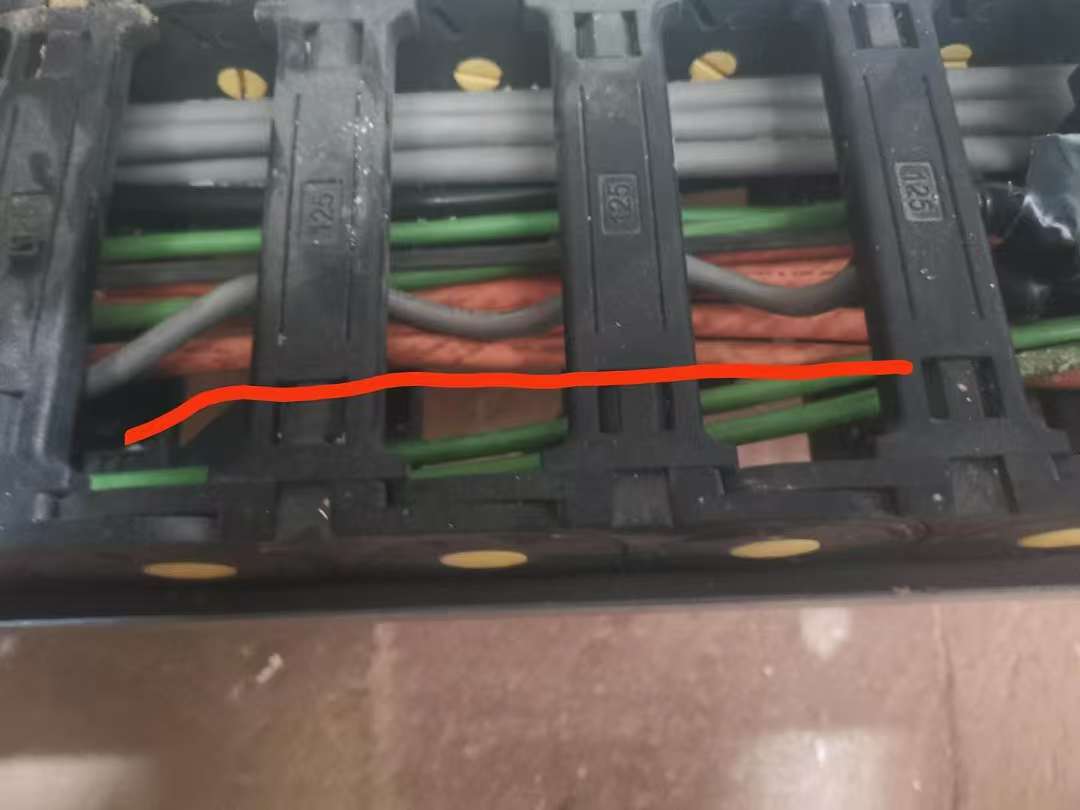
Principais problemas da cadeia de arrasto e suas causas
As correntes de arrasto são sistemas mecânicos simples, mas devem ser cuidadosamente adaptadas ao diâmetro do cabo, velocidade de deslocamento, aceleração, ambiente e requisitos do ciclo de flexão.
| Problema | Causa provável | Correção de engenharia |
|---|---|---|
| Desgaste da jaqueta do cabo | Cabo esfregando contra corrente ou outros cabos | Use separadores e jaqueta resistente à abrasão |
| Motosserra | Viagem sem suporte por muito tempo | Adicione rolos de suporte ou corrente maior |
| Torção de cabo | Colocação incorreta do cabo ou posicionamento incorreto | Use cabo com classificação de torção, se necessário |
| Alto ruído | Velocidade da corrente, material ou problema de guia | Use design de corrente de baixo ruído |
| Condutores quebrados | Raio de curvatura muito apertado ou cabo errado | Selecione cabo de corrente de arrasto de alta flexibilidade |
| Falha no conector | Sem alívio de tensão | Prenda o cabo fora da zona de curvatura móvel |
Dica profissional do cabo chengwen: Nossos técnicos geralmente percebem que os problemas das correntes de arrasto começam como pequenos erros de layout. Sempre verificamos a taxa de preenchimento, o posicionamento do separador, o raio de curvatura e se o comprimento do cabo móvel tem liberdade suficiente para deslizar sem ser esticado ou comprimido.
Qual é a finalidade de uma esteira porta cabos?
O objetivo de uma corrente de arrasto de cabos é guiar, proteger e organizar cabos e mangueiras móveis em máquinas automatizadas. Ele controla o caminho de curvatura, evita o emaranhamento, reduz a abrasão, suporta movimentos repetíveis e ajuda a prolongar a vida útil quando o cabo da esteira de arrasto correto é instalado.
Por que as máquinas usam correntes de arrasto de cabos
Uma corrente de arrasto cria um caminho mecânico controlado para os cabos durante o movimento linear ou robótico. Em vez de deixar os cabos pendurados livremente, torcer ou colidir com peças da máquina, a corrente os mantém alinhados e protegidos.
- Orientação de movimento — mantém os cabos se movendo em um caminho previsível.
- Proteção mecânica — protege os cabos contra impacto, abrasão e emperramento.
- Controle de curvatura — mantém um raio de curvatura mínimo definido.
- Organização de cabos — separa linhas de energia, sinal, dados, ar e fluido.
- Acesso de manutenção — facilita a substituição e inspeção de cabos.
- Melhoria da vida útil — reduz o estresse aleatório quando projetado corretamente.
Dica profissional do cabo chengwen: Nossos técnicos costumam ver os clientes tratando a corrente de arrasto apenas como um suporte de cabo. Vemos isso como um componente de controle de movimento. A corrente, o cabo, o raio de curvatura e o alívio de tensão devem ser projetados em conjunto para evitar falhas prematuras.
Os cabos são mais difíceis de cortar do que as correntes?
Os cabos são geralmente mais fáceis de cortar do que as correntes de metal, mas a resposta depende do material, diâmetro, construção e tipo de ferramenta. As correntes de aço resistem ao corte através de elos endurecidos, enquanto os cabos podem conter cobre, alumínio, reforço de aço, trança, blindagem ou armadura que altera a dificuldade de corte.
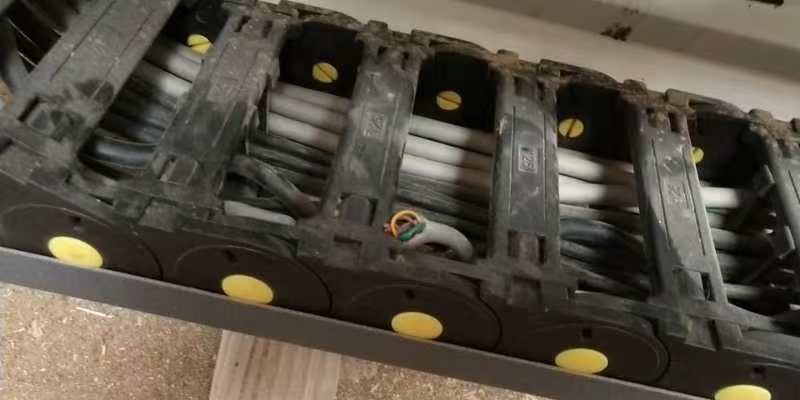
Resistência ao corte de cabo versus corrente
Do ponto de vista da engenharia, “mais difícil de cortar” depende se estamos comparando cabos elétricos, corda de fio de aço, cabo trançado ou corrente mecânica.
| Item | Material Típico | Dificuldade de corte | Fator de Resistência Principal |
|---|---|---|---|
| Cabo elétrico padrão | Jaqueta de cobre + polímero | Baixo a médio | Tamanho do condutor e espessura da camisa |
| Cabo flexível blindado | Cobre + trança/folha + jaqueta | Médio | Escudo e estrutura multi-core |
| Cabo blindado | Armadura metálica + condutores | Alto | Armadura de aço ou alumínio |
| Cabo de aço | Fios de aço agrupados | Alto | Dureza e diâmetro do fio |
| Corrente endurecida | Elos de aço tratados termicamente | Muito alto | Dureza e geometria do link |
Dica profissional do cabo chengwen: Nossos técnicos costumam ver confusão entre cabos elétricos e correntes mecânicas. Lembramos aos clientes que os cabos da esteira de arrasto são projetados para flexibilizar a vida útil e a integridade do sinal, e não para a segurança anti-corte. Se for necessária resistência ao corte, recomendamos discutir o material da capa, armadura ou conduíte de proteção.
Quais são as desvantagens do cabo trançado?
O cabo trançado oferece excelente blindagem e resistência mecânica, mas pode aumentar a rigidez, o diâmetro, o peso e o custo. Em esteiras de arrasto, uma trança mal projetada pode fadigar, abrir ou quebrar sob flexões repetidas, especialmente se o ângulo da trança e a cobertura da blindagem não forem otimizados para flexão contínua.
Vantagens e compensações do cabo trançado
A blindagem trançada é comum em cabos de servo, encoder, dados e controle porque fornece forte interferência eletromagnética proteção. No entanto, nem toda trança é adequada para movimentos de alto ciclo.
| Fator | Beneficiar | Possível desvantagem |
|---|---|---|
| Blindagem EMI | Reduz o ruído elétrico | Adiciona rigidez |
| Cobertura mecânica | Protege núcleos internos | Aumenta o diâmetro do cabo |
| Trança de cobre | Boa condutividade | Pode fadigar em curvas fechadas |
| Alta densidade de escudo | Melhor proteção | Menos flexibilidade |
| Armadura trançada | Proteção física mais forte | Mais pesado e mais difícil de rotear |
Para uso em corrente de arrasto, a trança deve ser projetada tendo em mente a flexão. Um cabo trançado de instalação estática pode passar em um teste elétrico quando novo, mas falhar após movimentos repetidos.
Dica profissional do cabo chengwen: Nossos técnicos costumam ver os clientes escolhendo a maior cobertura de trança sem considerar a flexibilidade. Preferimos um design equilibrado: blindagem suficiente para proteção de sinal, mas com geometria trançada e materiais adequados para flexão contínua em uma esteira de arrasto.
O que faz com que os cabos falhem nas esteiras de arrasto?
Os cabos falham nas esteiras de arrasto quando a tensão mecânica excede o projeto de vida flexível do cabo. As principais causas são raio de curvatura apertado, preenchimento excessivo da corrente, construção incorreta do cabo, abrasão da camisa, torção, alta aceleração, alívio de tensão insuficiente e uso de cabo padrão em vez de cabo de corrente de arrasto de alta flexibilidade.
Causas raiz da falha do cabo da corrente de arrasto
Um cabo de corrente de arrasto deve sobreviver a repetidas flexões, deslizamentos e, às vezes, choques de aceleração. A falha geralmente se desenvolve gradualmente antes que a máquina finalmente pare.
- Fadiga do condutor — os fios de cobre quebram após dobramentos repetidos.
- Rachaduras de isolamento — materiais internos divididos por compressão e tensão.
- Danos no escudo — rupturas da trança ou da folha, causando ruído e erros de sinal.
- Abrasão da jaqueta — desgaste da bainha externa contra a corrente ou outros cabos.
- Saca-rolhas de núcleo — torções de cabos devido a construção desequilibrada.
- Tensão do conector — o movimento do cabo puxa diretamente nos terminais.
- Acúmulo térmico — correntes cheias demais retêm o calor e aceleram o envelhecimento.
| Sintoma | Possível causa |
|---|---|
| Sinal intermitente | Condutor quebrado ou blindagem danificada |
| Rachaduras visíveis na jaqueta | Raio de curvatura muito pequeno |
| O cabo torce dentro da corrente | Construção incorreta do cabo |
| Bainha externa desgastada | Abrasão ou má separação |
| Conector afrouxa | Sem alívio de tensão |
Dica profissional do cabo chengwen: Nossos técnicos frequentemente veem clientes substituindo um cabo com falha pelo mesmo modelo e esperam um resultado diferente. Sempre investigamos o layout da corrente, o raio de curvatura, a velocidade de deslocamento, a taxa de preenchimento e a construção do cabo antes de recomendar um cabo flexível de substituição.
Vocês oferecem preços de cabos para correntes de arrasto no atacado?
Sim, o cabo chengwen suporta preços de cabos de corrente de arrasto no atacado para distribuidores, OEMs, construtores de máquinas e integradores de automação. O preço depende do tipo de cabo, tamanho do condutor, contagem de núcleos, blindagem, material da capa, necessidades de certificação, quantidade do pedido, requisitos de personalização e cronograma de entrega.
Como o preço do cabo de corrente de arrasto no atacado é normalmente calculado
Para projetos de atacado ou OEM, avaliamos tanto as especificações elétricas quanto os requisitos de movimento mecânico. Isso nos ajuda a citar um cabo adequado à máquina, em vez de corresponder apenas ao número da peça.
| Fator de preço | Por que é importante |
|---|---|
| Contagem de núcleos e tamanho do condutor | Determina o uso de cobre e o diâmetro do cabo |
| Tipo de blindagem | Afeta o desempenho EMI e o custo do material |
| Material da jaqueta | Impacta a resistência ao óleo, a resistência à abrasão e a flexibilidade |
| Requisito de vida flexível | Classificações de ciclo mais altas exigem construção avançada |
| Certificações | UL, CE, RoHS, ou padrões personalizados podem afetar o custo |
| Quantidade do pedido | Um volume maior geralmente melhora o preço unitário |
| Impressão personalizada ou colorida | Adiciona requisitos de produção e configuração |
Para obter preços de atacado precisos, recomendamos compartilhar o desenho do cabo, a velocidade da aplicação, o raio de curvatura, o comprimento do percurso da corrente, o ambiente operacional e a demanda anual.
Dica profissional do cabo chengwen: Nossos técnicos costumam ver os compradores atacadistas compararem o cabo da corrente de arrasto apenas pelo tamanho do condutor. Recomendamos comparar também a classificação flexível, o composto da capa, o design da blindagem e o raio mínimo de curvatura, porque o cabo mais barato pode se tornar caro se falhar precocemente.
A construção correta do cabo, o layout adequado da esteira de arrasto e o raio de curvatura controlado são os segredos para evitar falhas no cabo da esteira de arrasto.