

Ultra flexível ou cabos altamente flexíveis normalmente adotam estruturas multinúcleos resistentes, resistentes a óleo, flexíveis e contínuas. A capacidade de dobrar continuamente, dobrar de várias maneiras e até mesmo torcer requer estruturas altamente confiáveis. Dependendo do cabo flexível alto fabricante, essas estruturas passam por testes contínuos de 2 milhões a 50 milhões de ciclos; Esses cabos extremamente flexíveis e duráveis são projetados para suportar pressão e movimento moderados sob condições secas, úmidas e adversas.
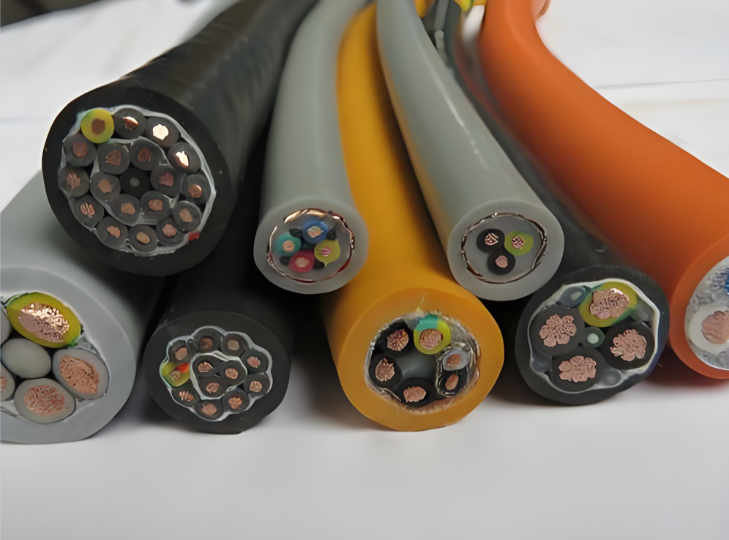
Qual é a diferença entre fios de alta flexibilidade e cabos comuns?
Fios e cabos existem em nossas casas, veículos, sistemas de entretenimento, produção industrial, nossa tecnologia e quase todos os outros locais que necessitam de energia elétrica. Com o aumento contínuo do número de equipamentos de produção, a sociedade precisa cada vez mais de mais produtos de fiação para fabricar, entregar e construir esses produtos em expansão, e há também cada vez mais produtos eletrônicos e elétricos. Com a criação de sistemas mais avançados e tecnológicos, muitas dessas aplicações passam a utilizar peças móveis. A tecnologia mais avançada levou a um número crescente de invenções inovadoras e novos produtos em todos os setores, exigindo mais cabo flexível. Essas indústrias sempre exigem que os cabos tenham uma amplitude de movimento mais ampla.
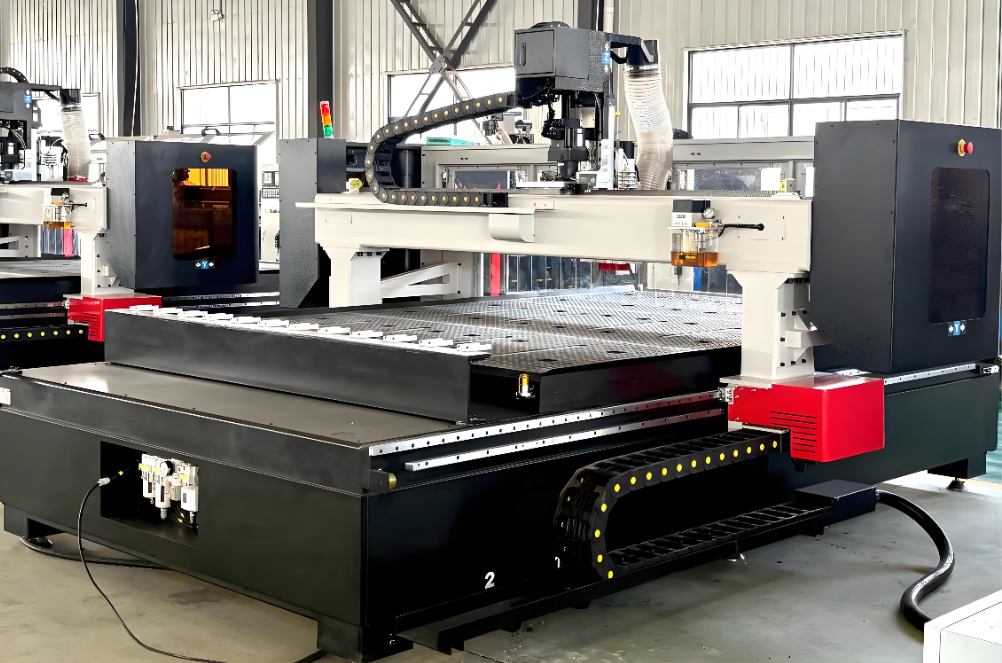
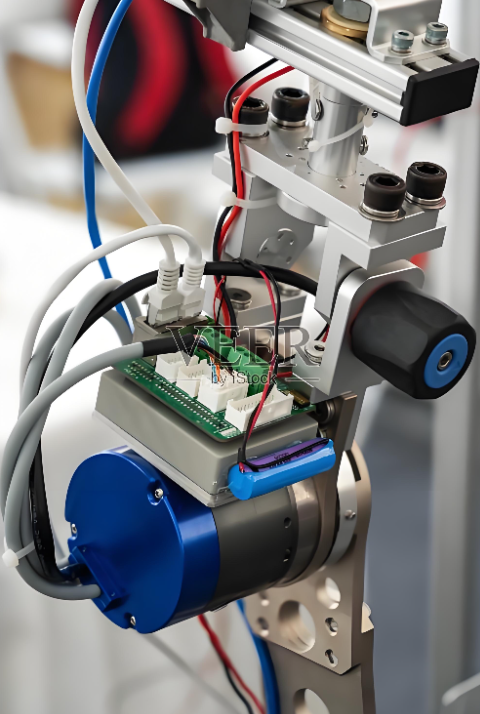
Quais são os dispositivos cabo flexível alto usado para? Incluindo, mas não limitado a:
● Robôs industriais ● linhas de produção automatizadas ● Carrinhos AGV/AMR ● Máquinas-ferramentas/centros de usinagem CNC ● sistemas de servoacionamento ● sistemas de armazenamento automatizados ● linhas de classificação logística ● máquinas portuárias, máquinas de engenharia ● equipamentos médicos ● novos equipamentos de energia ● equipamentos de entretenimento de palco
Estas indústrias estão constantemente em rápido desenvolvimento e, naturalmente, têm requisitos cada vez mais elevados para a utilização de cabos de elevada flexibilidade.
Flexibilidade de cabos
Simplificando, a flexibilidade de um cabo é um indicador de quantos movimentos uma estrutura específica pode suportar num determinado momento. Quando um cabo é torcido, puxado ou dobrado em várias posições fora de sua forma original, a flexibilidade geral do cabo está sendo testada. Estruturas com alta vida útil de flexão podem manter a flexão por um longo tempo, enquanto cabos com baixa vida útil de flexão estão quase sujeitos a falhas.
O termo comumente usado para descrever um cabo flexível alto é ‘suave’. Este termo ajuda a descrever cabos que podem ser facilmente dobrados para frente e para trás. Um bom exemplo é um médico que usa ferramentas elétricas. Pense em como a ferramenta é acionada e em todos os diferentes graus de flexão e flexão do joelho que devem ser realizados corretamente para a cirurgia. Sem hesitação, as ferramentas não devem ser torcidas, torcidas ou fazer qualquer coisa que possa afetar as mãos do cirurgião. Este é apenas um exemplo de como a alta flexibilidade é crucial em aplicações específicas.
Vida útil de flexão dos cabos
A vida à flexão é muitas vezes considerada equivalente à flexibilidade, mas na verdade mede a frequência do movimento do cabo, não a forma como ele se move. Os cabos padrão só podem ser dobrados um número específico de vezes antes que o isolamento e os condutores comecem a falhar. A vantagem de usar cabo flexível alto é a capacidade de dobrar repetidamente sem falhas, tornando essas estruturas a escolha mais confiável para aplicações que exigem movimento.
Em última análise, a necessidade de cabos altamente flexíveis depende do equipamento específico utilizado. Em muitas aplicações de fabricação, como máquinas industriais ou automação fabril, flexibilidade e alta vida útil à flexão são requisitos, e a estrutura necessária depende da quantidade esperada de movimento e da frequência do movimento do cabo. Quanto maior a flexibilidade e o movimento contínuo necessários para o seu equipamento, maior será a vida útil à flexão necessária para a sua estrutura.
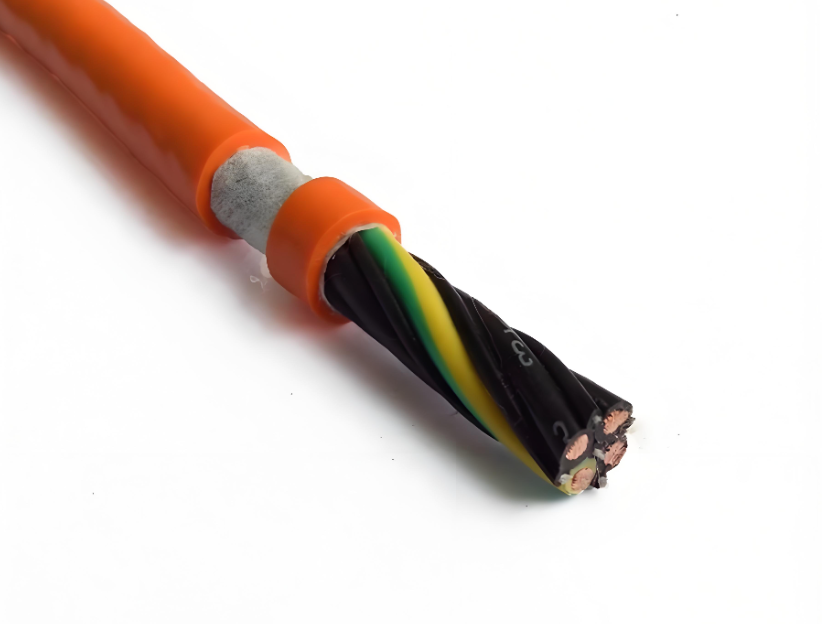
Cabo flexível torcido
Cabos flexíveis torcidos são utilizados devido à sua capacidade de lidar com torções contínuas em torno de seu eixo. Os robôs e as aplicações de automação dependem fortemente destes cabos, pois são capazes de torcer e puxar para frente e para trás, muitas vezes acompanhados por movimentos de flexão e rolamento. As aplicações padrão normalmente apresentam movimentos repetitivos envolvendo uma amplitude fixa de movimento. Finalmente, o cabo flexível torcido passa por 2 a 10 milhões de ciclos de testes, assim como todos os outros cabos flexíveis dobrados.
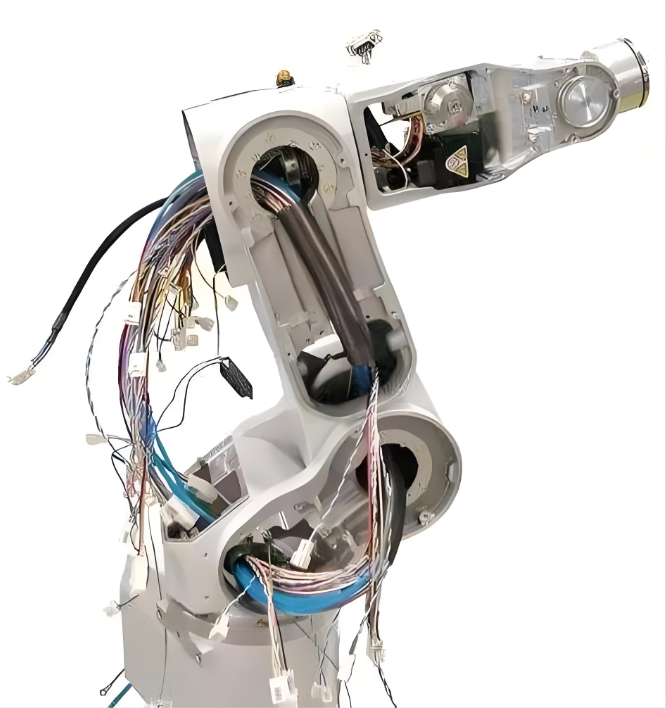
Desde robôs de fabricação de braço único até dispositivos domésticos comuns, a tecnologia está se desenvolvendo em ritmo acelerado. Com essas novas invenções e a expansão da capacidade atual, a demanda por cabos altamente flexíveis continua a aumentar. Quer a aplicação exija flexão contínua, flexão ou torção, existem soluções de fiação adequadas para todas as aplicações com movimento.