

Cabos flexíveis, cabos de alta flexibilidade e cabos ultraflexíveis apresentam diferenças significativas nas características de desempenho, campos de aplicação e construção de materiais. Abaixo está uma comparação detalhada dos três:
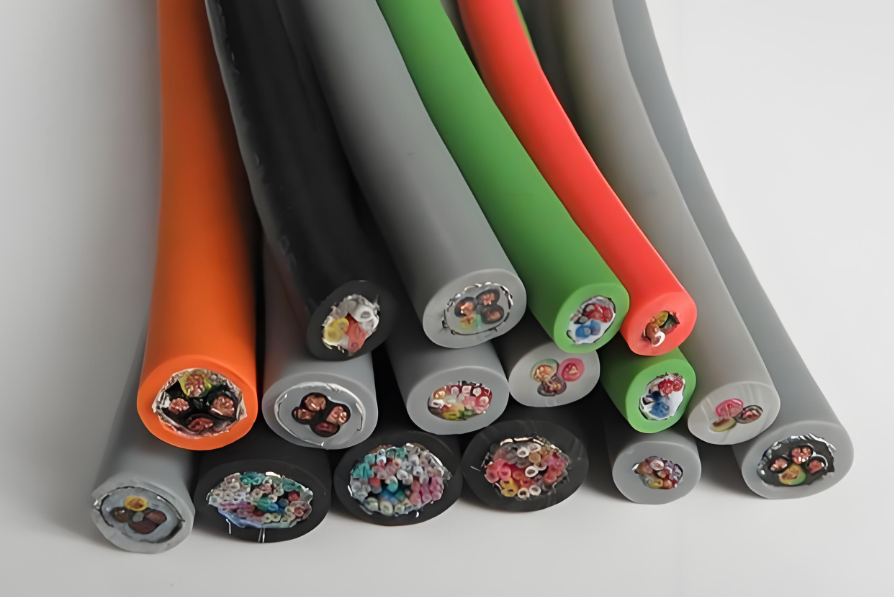
Recursos de desempenho
1.Cabo flexível:
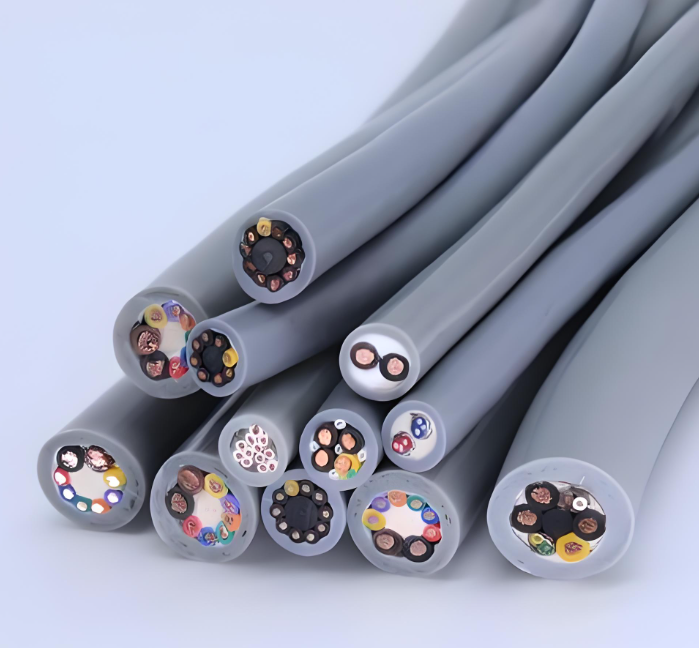
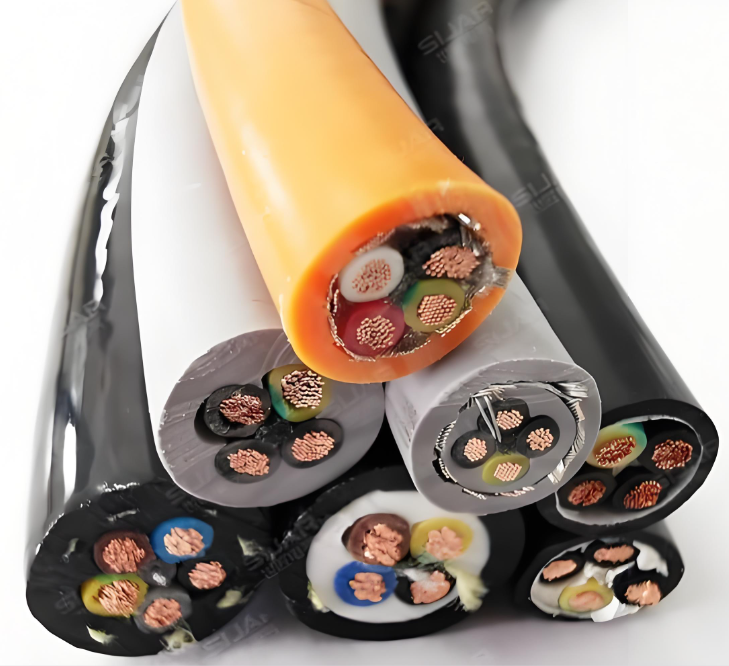
2. Cabo de alta flexibilidade:
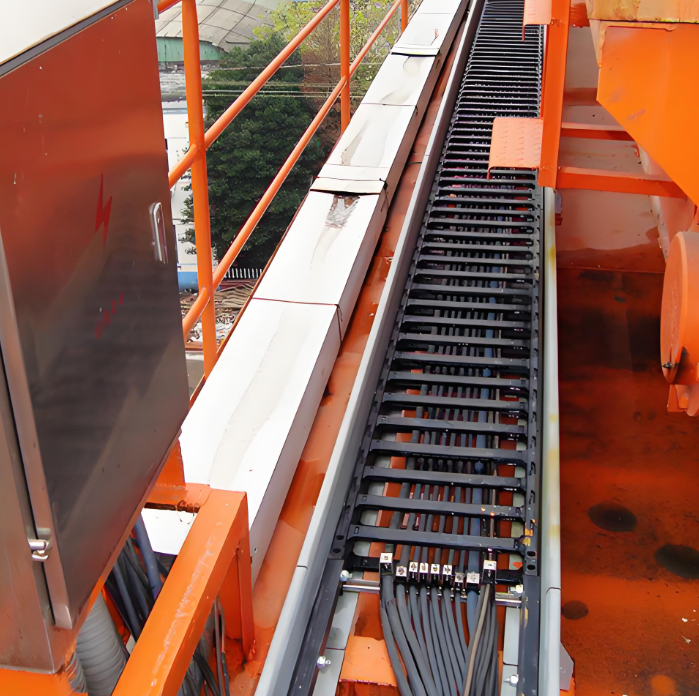
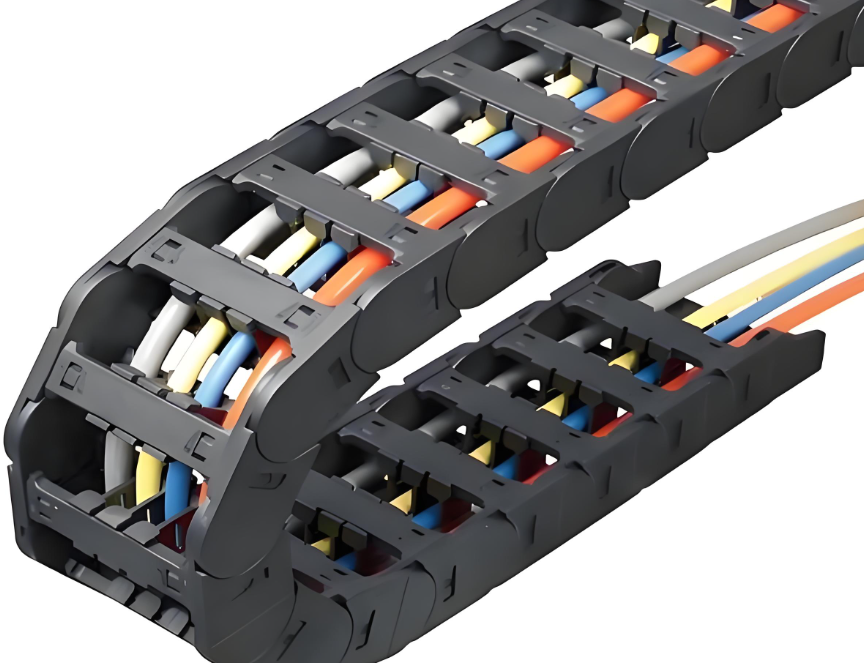
● Alta flexibilidade: Comparados aos cabos flexíveis, os cabos de alta flexibilidade têm maior flexibilidade e podem trabalhar sob raios de curvatura menores sem quebrar ou fraturar facilmente. Adequado para correntes de arrasto de movimento rápido para frente e para trás, é chamado de cabo de corrente de arrasto.
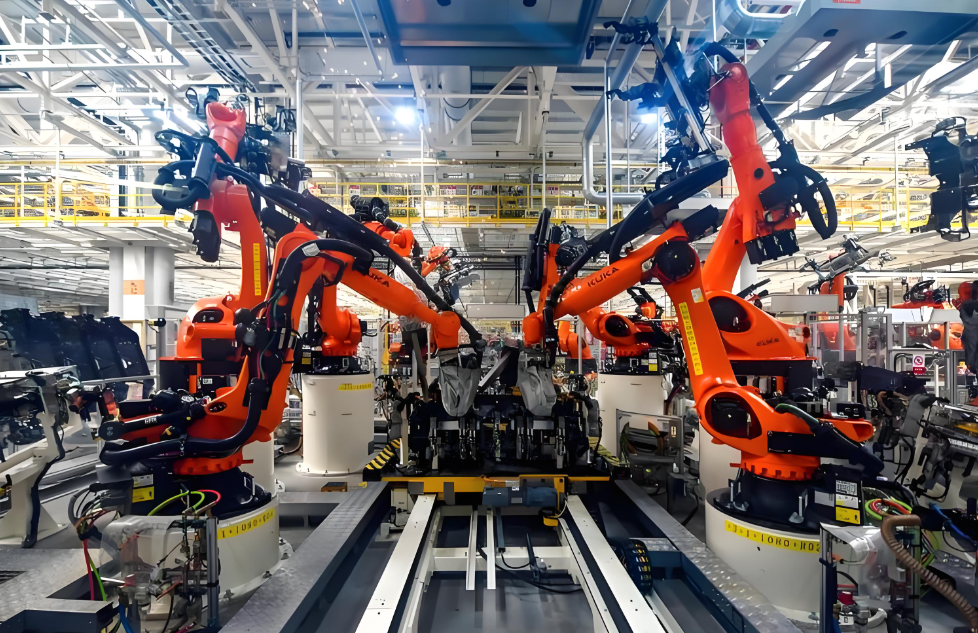
3. Cabo ultra flexível:
campo de aplicação
1.Fio flexível:
Amplamente utilizado em automação industrial, equipamentos mecânicos, prateleiras de armazenamento, equipamentos de elevação e outras situações ocasionais de movimento ou flexão.
2.Cabo altamente flexível:
Além da automação industrial, também é amplamente utilizado em áreas como robótica, equipamentos médicos, indústria automotiva e aeroespacial, com requisitos mais elevados de flexibilidade, durabilidade e condutividade dos cabos.
3. Cabo ultra flexível:
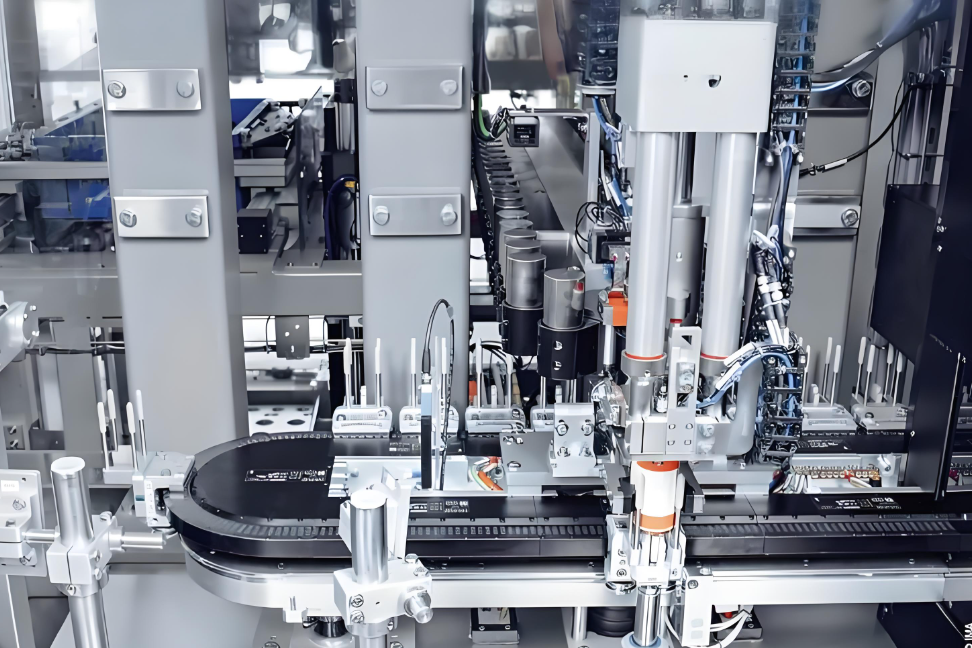
Usado principalmente em situações onde robôs e linhas de produção automatizadas se movem rapidamente e têm requisitos extremamente elevados de desempenho e estabilidade de dobra de cabos.
Construção de materiais
1.Fio flexível:
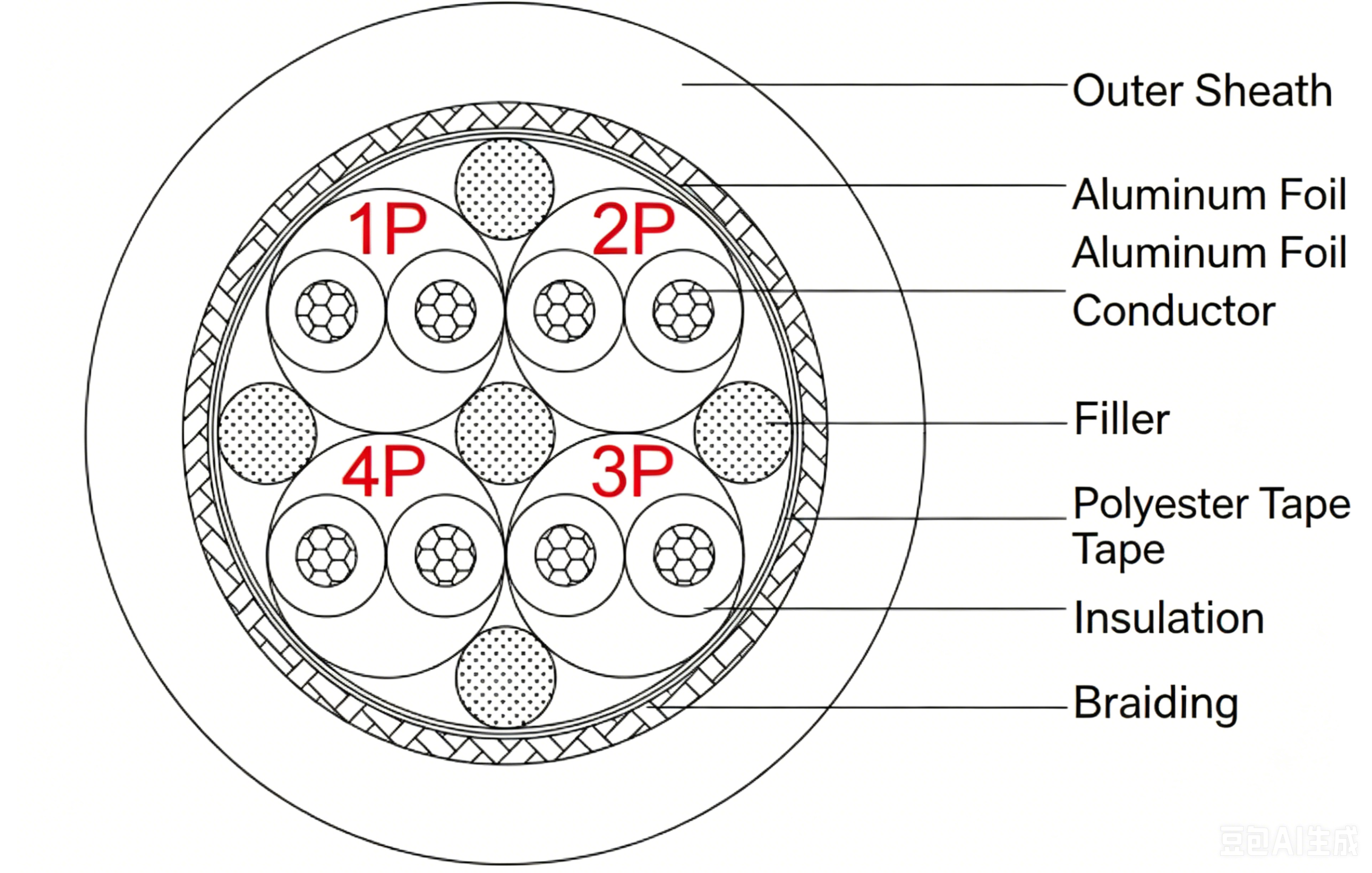
Geralmente composto de condutores, materiais de isolamento, materiais de blindagem e materiais de camada externa, a seleção específica do material depende dos requisitos da aplicação.
2. Cabo de alta flexibilidade:
3. Cabo ultra flexível:
A camada externa é feita de material elástico, enquanto o condutor interno é projetado com características especiais, como estrutura trançada multifilar ou fio de cobre fino para aumentar a flexibilidade.
Em resumo, cabos flexíveis, cabos de alta flexibilidade e cabos ultraflexíveis apresentam diferenças significativas nas características de desempenho, áreas de aplicação e construção de materiais. Em aplicações práticas, o tipo de cabo apropriado deve ser selecionado de acordo com necessidades específicas para garantir o funcionamento normal do equipamento e prolongar sua vida útil.