

Selecting the right industrial ethernet cable is a critical decision that directly impacts the reliability and uptime of your automated systems. Unlike standard office cables, a flexible ethernet cable is engineered to withstand harsh factory environments, continuous motion, and extreme temperatures. Whether you are routing connections through robotic arms or heavy machinery, understanding the specific jacket materials—such as a robust PUR Ethernet cable—shielding types, and flex ratings will ensure your network performs flawlessly under pressure.
What is flexible ethernet cable?
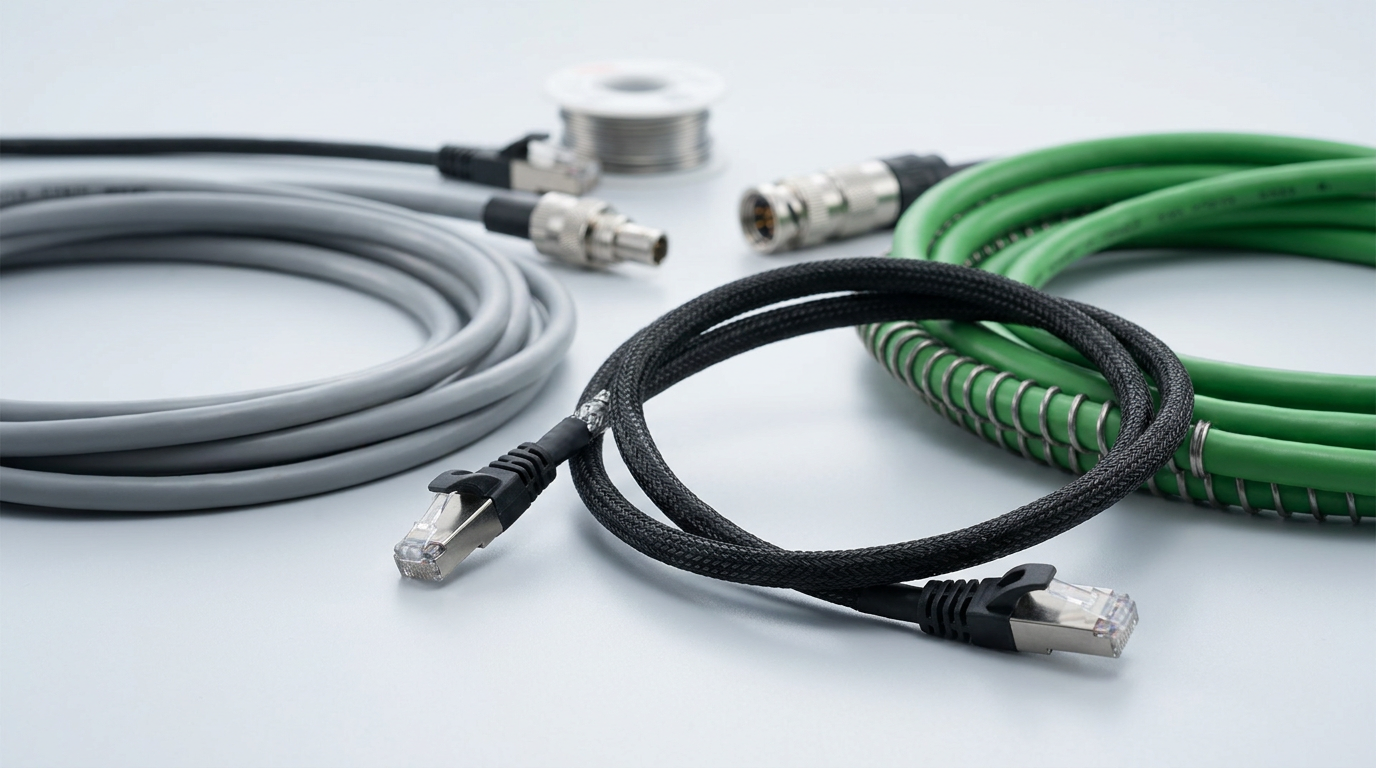
A flexible ethernet cable is a specialized network cable designed for dynamic, high-flex applications in industrial environments. It features stranded copper conductors and durable outer jackets, allowing it to bend, twist, and move continuously without compromising signal integrity or suffering mechanical failure.
Core Construction and Materials
To achieve high flexibility, these cables rely on specific engineering principles that differentiate them from standard solid-core cables.
- Stranded Conductors: Uses multiple fine copper strands instead of a single solid wire to increase pliability and prevent snapping.
- Specialized Jacketing: Often utilizes a PUR Ethernet cable jacket, which provides excellent resistance to oil, abrasion, and microbes.
- Advanced Shielding: Incorporates braided copper or foil shields that maintain EMI/RFI protection even during continuous flexing operations.
- Tension Relief: Includes internal fillers or strength members like Kevlar to absorb mechanical stress and maintain the cable’s geometry.
Dica profissional do cwcables: Always check the bend radius specifications before installation. A standard flexible ethernet cable typically requires a minimum bend radius of 7.5 to 10 times its outer diameter during continuous movement.
How Does flexible ethernet cable Work?
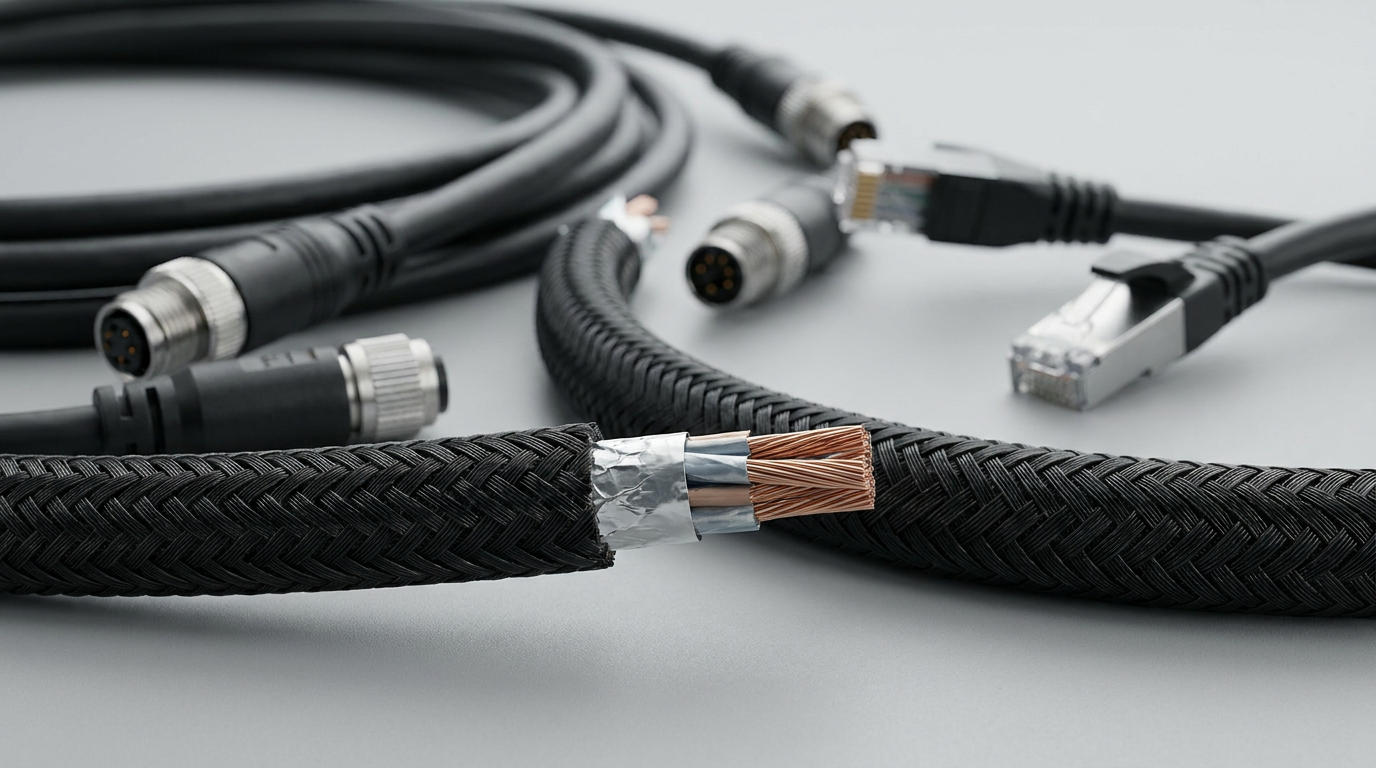
A flexible ethernet cable works by transmitting high-speed data signals through twisted pairs of stranded copper wire while physically absorbing mechanical stress. Its internal components slide against each other smoothly during movement, preventing conductor breakage and maintaining consistent electrical characteristics in automated machinery.
Mechanical and Electrical Synergy
The operational success of an industrial ethernet cable relies on balancing data transmission speeds with mechanical endurance.
Com base em nossos dados internos e análises de mercado, aqui está o detalhamento:
| Componente | Mechanical Function | Electrical Function |
|---|---|---|
| Stranded Core | Enables continuous bending | Maintains conductivity under stress |
| PTFE/PE Insulation | Reduces internal friction | Ensures low dielectric loss for data |
| Braided Shield | Flexes without tearing | Blocks external EMI/RFI noise |
| Jaqueta PUR | Resists abrasion and cuts | Protects internal pairs from moisture |
Dica profissional do cwcables: When routing cables in a corrente de arrasto, ensure they are laid flat and not twisted. Twisting a cable prior to securing it will drastically reduce its operational lifespan.
What are the benefits of flexible ethernet cable?
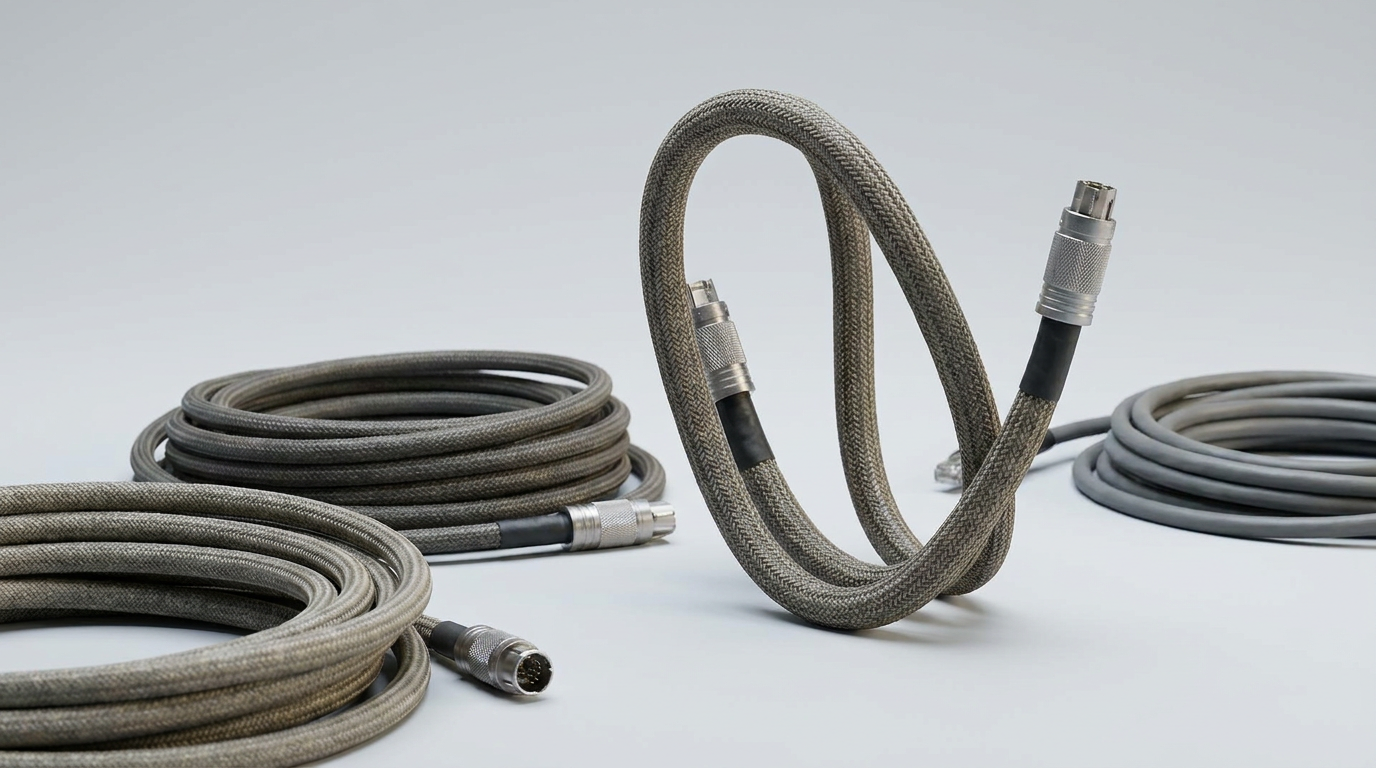
The primary benefits of a flexible ethernet cable include extended lifespan in moving machinery, superior resistance to environmental hazards, and reliable data transmission. These cables minimize costly machine downtime by preventing wire fatigue, abrasion damage, and signal interference common in harsh manufacturing settings.
Advantages in Industrial Automation
Upgrading to a purpose-built industrial ethernet cable provides measurable operational improvements for dynamic applications.
- High Flex Cycle Life: Engineered to withstand millions of bending cycles in drag chains or robotic applications without failing.
- Chemical and Oil Resistance: Outer jackets, particularly in a PUR Ethernet cable, repel industrial lubricants, coolants, and harsh cleaning agents.
- EMI/RFI Immunity: Robust shielding ensures data packets are delivered without corruption from nearby high-voltage equipment or motors.
- Temperature Tolerance: Capable of operating in extreme heat or freezing conditions without the outer jacket becoming brittle or cracking.
Dica profissional do cwcables: If your application involves both bending and twisting (torsion), standard continuous-flex cables aren’t enough. You must specify a robotic-grade torsion cable to prevent the internal pairs from unraveling.
How to maintain a flexible ethernet cable?
Maintaining a flexible ethernet cable requires regular visual inspections for jacket wear, ensuring proper tension in drag chains, and keeping connectors clean. Proper installation with appropriate bend radii and avoiding over-tightening of cable ties prevents premature mechanical failure and signal degradation.
Best Practices for Cable Longevity
Even the most robust industrial ethernet cable requires proper handling and maintenance to achieve its maximum lifespan.
- Inspect Drag Chains: Regularly check cable tracks for debris or broken links that could cause abrasion against the PUR Ethernet cable jacket.
- Verify Bend Radius: Periodically measure the installation to ensure the cable hasn’t shifted into a tighter bend than specified by the manufacturer.
- Check Connector Terminations: Look for strain, discoloration, or wire pullout at the RJ45 or M12 connectors, which are common failure points.
- Avoid Zip Ties: Use hook-and-loop fasteners instead of plastic zip ties, which can crush the cable’s internal geometry and alter impedância.
Dica profissional do cwcables: Schedule preventative maintenance checks on your automated tracks every 500,000 cycles. Catching a slightly worn jacket early can save you from an unexpected network outage.
What is the price of flexible ethernet cable?
The price of a flexible ethernet cable ranges from $1 to $5 per meter, depending on the category (Cat5e, Cat6, Cat6a), shielding type, and jacket material. Highly specialized robotic cables or a premium PUR Ethernet cable will sit at the higher end of this spectrum.
Pricing Breakdown by Cable Type
Understanding the cost structure helps in budgeting for your industrial network infrastructure.
Com base em nossos dados internos e análises de mercado, aqui está o detalhamento:
| Cable Specification | Estimated Price (per meter) | Melhor Aplicação |
|---|---|---|
| Cat5e PVC (Moderate Flex) | $0.80 – $1.50 | Light machinery, static routing |
| Cat6 PUR (High Flex) | $1.50 – $3.00 | Drag chains, conveyors |
| Cat6a PUR (Torsion/Robotic) | $3.50 – $5.50+ | 6-axis robots, extreme motion |
Dica profissional do cwcables: Do not compromise on jacket material to save costs. Investing in a slightly more expensive PUR jacket upfront will save thousands of dollars in replacement labor and machine downtime later.
Principais recursos e comparação
Comparing key features of industrial ethernet cables involves evaluating flex ratings, shielding effectiveness, and jacket durability. Understanding these precise material distinctions ensures you select the exact cable geometry and chemical composition required to survive your specific automated manufacturing environment over the long term.
Material and Performance Comparison
Selecting the right jacket material is one of the most critical decisions when specifying an industrial ethernet cable.
Com base em nossos dados internos e análises de mercado, aqui está o detalhamento:
| Recurso | Jaqueta de PVC | PUR Jacket (PUR Ethernet cable) | TPE Jaqueta |
|---|---|---|---|
| Flexibilidade | Moderado | Muito alto | Extremely High |
| Resistência ao óleo | Baixo | Excelente | Bom |
| Resistência à abrasão | Justo | Outstanding | Bom |
| Custo | Baixo | Médio-alto | Alto |
Dica profissional do cwcables: For environments with heavy mechanical stress and exposure to cutting fluids, PUR is universally the best choice. PVC should only be used for static, protected installations.
Fatores de custo e compra
When buying a flexible ethernet cable, critical cost factors include the required flex cycles, data speed requirements, and environmental resistances. Buyers must weigh the initial purchase price against the total cost of ownership, factoring in potential downtime and replacement labor.
Essential Purchasing Criteria
To maximize your return on investment, evaluate these specific criteria before placing an order with your manufacturer.
- Application Type: Identify if the cable will experience continuous bending (drag chain) or torsion (robotic arm).
- Data Bandwidth: Choose Cat5e for standard 100/1000 Mbps sensors, or Cat6a for high-speed 10Gbps vision systems.
- Environmental Threats: Assess the presence of UV light, weld splatter, chemicals, or extreme temperatures in your facility.
- Connector Compatibility: Ensure the cable’s outer diameter is compatible with industrial M12 or ruggedized RJ45 connectors.
Dica profissional do cwcables: Always request a sample or a technical datasheet from the manufacturer to verify the exact flex cycle rating. A true industrial cable should guarantee at least 5 to 10 million flex cycles.
Conclusão
Choosing the correct industrial ethernet cable is a vital step in future-proofing your automation network. By prioritizing the right jacket materials, shielding, and flex ratings, you guarantee seamless data transmission and protect your machinery from costly, unexpected downtime.
Final Recommendations for Network Reliability
To ensure long-term success with your network infrastructure, follow a systematic approach to cable selection.
- Audit your factory environment for specific mechanical and chemical hazards.
- Match the cable’s flex rating to the exact movement of your machinery.
- Standardize on high-quality materials like PUR for dynamic applications.
- Partner with a reputable manufacturer that provides comprehensive testing data.
Dica profissional do cwcables: Your network is only as strong as its weakest link. Pair your high-quality flexible ethernet cable with equally robust industrial connectors to ensure end-to-end reliability.