

イーサネット ケーブルのジャケットが引きずりチェーンで亀裂が入るのは、標準的なオフィス グレードの LAN ケーブルでは決して耐えられるように設計されていない、狭い半径、側壁の圧力、ねじれ、摩耗の下で、ケーブルが数千回から数百万回の曲げを強いられるためです。材料の選択 (PVC 対 ピュア)、ストランドの設計、シールド方法、およびケーブルがチェーン内でどのようにガイドされるかによって、通常、ジャケットが柔軟性を保つか、脆くなって裂けるかが決まります。
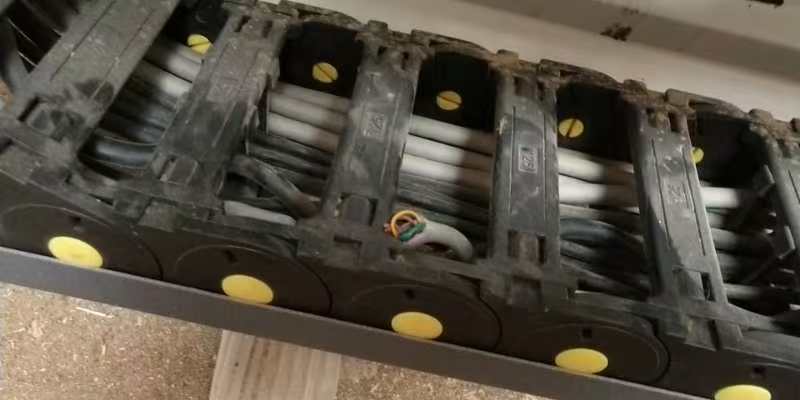
ドラッグチェーンイーサネットケーブルとは何ですか?
ドラッグ チェーン イーサネット ケーブルは、安定したデータ伝送を維持しながら、繰り返しの曲げ、磨耗、振動に耐える必要があるエナジー チェーン内の連続動作用に設計された柔軟な産業用イーサネット ケーブルです。標準のパッチコードと比較して、ひび割れや信号のドロップアウトを防ぐために、細かく撚られた導体、最適化された撚り、より丈夫なジャケット (多くの場合 PUR) が使用されています。
継続的なフレックスを実現する専用構造
ドラッグ チェーンのイーサネット ケーブルは、一定の曲げ、セパレータに対する圧縮、チェーンとの滑り接触といった「動的」機械的ストレスを考慮して設計されています。
通常、柔軟な産業用イーサネット ケーブルと一般的な LAN ケーブルを区別する重要な要素は次のとおりです。
- より線数の多い導体 繰り返し曲げ時の金属疲労を軽減します。
- 制御されたペアレイと安定した形状 守るために インピーダンス そして リターンロス 運動中
- フレックスに最適化されたシールド (例: 動くように設計された編組シールド)
- ドラッグチェーン対応ジャケット (PUR イーサネット ケーブルが一般的) 耐摩耗性と耐切創性を実現
- 低摩擦外面 ケーブルがチェーン内を移動する際の摩耗を軽減するため
chengwen ケーブル プロのヒント: 私はいつもケーブルを適合させることから始めます。 モーションプロファイル (bend radius, travel length, speed, and torsion).サプライヤーがドラッグ チェーンの曲げ半径とサイクル寿命を指定できない場合は、それがどれほど「工業用」のように聞こえても、それは真の高屈曲イーサネット ケーブルではないと想定してください。
ドラッグチェーンイーサネットケーブルはどのように機能しますか?
ドラッグ チェーン イーサネット ケーブルは、繰り返し屈曲しながら安定した電気的形状を維持することで「機能」します。導体のより線、絶縁体、ペアのツイスト、シールド、およびジャケットは、曲げによってケーブルが永久に変形しないように設計されています。内部構造が中心に位置し、応力が分散されると、ジャケットは亀裂を防ぎ、信号はイーサネットの性能制限内に留まります。
機械設計が電気的性能を保護する方法
ドラッグ チェーンでは、曲げの力によってケーブルの内部形状が歪む可能性があります。ジオメトリが変更されても、ケーブルは引き続き「リンク」する可能性がありますが、パフォーマンスは低下します (エラー、再試行、断続的なドロップ)。
実際のモーションセーフ ルーティングの概念は次のようになります。
- 正しい曲げ半径 移動全体を通して(特に移動端で)維持されます。
- ケーブルは梱包されずにガイドされます: 十分な間隔が側壁の挟み込みを防ぎます。
- 強制的なねじれはありません ただし、ケーブルがねじり定格 (ロボット工学では一般的) である場合を除きます。
- ストレインリリーフが適切に適用されている そのため、ケーブルが終端で「切断」されることはありません。
- ジャケットとシールドはモーションを考慮して選択例: 摩耗に強い PUR イーサネット ケーブルと、屈曲に耐える編組。
chengwen ケーブル プロのヒント: 私はドラッグチェーンイーサネットを システム: チェーンのサイズ、セパレーター、充填率、取り付けポイントはケーブルと同じくらい重要です。 A premium cable can still crack early if it’s overfilled, twisted, or forced below its dynamic bend radius.
イーサネット ケーブルの不良の兆候は何ですか?
不良イーサネット ケーブルでは、断続的なリンクのドロップ、ネゴシエート速度の低下 (例: 1 Gbps から 100 Mbps への低下)、パケット損失の増加、またはケーブルが移動すると悪化するエラーが発生することがよくあります。ドラッグ チェーンでは、完全に故障する前に、ジャケットの白化、ひび割れ、平坦な斑点、ねじれなどの物理的な手がかりが現れることがよくあります。
フィールドチェックリスト: 電気的および機械的症状
組み合わせた検査アプローチを使用します。モーション アプリケーションは最初に機械的に故障し、次に電気的に故障します。
チェックすべき一般的な兆候:
- リンクの動作
- 機械が動くとランダムに切断される
- スピードネゴシエーションのダウングレード
- PoE デバイスの再起動または電源の入れ直し
- ネットワーク品質指標
- 物理的検査 (ドラッグチェーン固有)
- ジャケットのひび割れ ベンドゾーンに沿って
- 光沢のあるからマットな摩耗痕跡 または露出したシールド
- 局所硬化 (ジャケットが硬くなる/脆くなる)
- 楕円化/平坦化 チェーンの側圧から
chengwen ケーブル プロのヒント: 「動作中のみ」に障害が発生した場合は、軸のジョギング中にスイッチ ポートのエラー カウンタをログに記録します。移動に伴って CRC エラーが増加する場合は、高屈曲イーサネット ケーブルに交換してルーティングを修正します。スイッチの交換に時間を無駄にする必要はありません。
イーサネット ケーブルはどの程度壊れやすいのでしょうか?
標準のイーサネット パッチ ケーブルは、導体の撚り線、シールド、PVC ジャケットが屋内での静的な使用に最適化されているため、連続動作環境では比較的脆弱です。ドラッグ チェーンでは、曲げ、摩耗、圧縮が繰り返されると、特に曲げ半径が狭くサイクル数が多い場合に、ジャケットの亀裂、導体の疲労、またはシールドの損傷が急速に発生する可能性があります。
オフィスグレードの LAN ケーブルがエナジーチェーンで失敗する理由
パッチコードは通常、設計意図と加えられた応力の間の不一致によりドラッグ チェーンで失敗します。
脆弱性の主な要因:
- PVCジャケット 繰り返しの曲げや油にさらされると、硬化したり、低温亀裂が生じたり、裂けたりする可能性があります。
- より粗い撚り 屈曲点での導体の疲労リスクが増加します。
- フォイルシールド 屈曲中に破損し、劣化する可能性があります EMI パフォーマンス。
- きつすぎるタイラップ または、張力緩和が不十分な場合、終端部に応力上昇が生じます。
動的モーションにおける一般的な脆弱性ランキング (最も堅牢なものから最も堅牢でないものの順):
- 標準 PVC パッチ ケーブル (静電気定格)
- ドラッグチェーンサイクルが明記されていない「産業用」ケーブル
- 柔軟な産業用イーサネット ケーブル (中程度のサイクル)
- ドラッグチェーン Ethernet ケーブル / PUR Ethernet ケーブル (高サイクル、耐摩耗性)
chengwen ケーブル プロのヒント: 用途にクーラント、オイルミスト、またはチェーン内での絶え間ない滑りが含まれる場合は、PVC よりも耐摩耗性や多くの工業用流体に優れているため、PUR をデフォルトとします。その後、早期亀裂を防ぐために曲げ半径とサイクル定格を検証します。
イーサネット ケーブルが突然故障することはありますか?
はい、イーサネット ケーブルは正常に見えても、特にドラッグ チェーンの使用時に「突然」故障することがあります。ジャケットの微小な亀裂、部分的な導体ストランドの破損、またはシールドの破損は、もう 1 回の動作サイクルによって開回路または重大なインピーダンス変化が生じるまで、目に見えないほど蓄積する可能性があります。結果は突然に見えますが、通常は進行性の疲労です。
瞬間的に見える故障モード
継続的な屈曲では、目に見える損傷が明らかになる前にケーブルの内部が劣化することがよくあります。
一般的な「突然の」障害メカニズム:
- 導体素線疲労: 十分なストランドが切断されると、抵抗が跳ね上がり、リンクが低下します。
- 断続的に開く: ケーブルは静止状態では動作しますが、曲げている間は動作しません。
- シールドの不連続性: EMI 感度が増加し、ドライブ/付近で散発的なエラーが発生します。VFD。
- ジャケットの破れ:一度亀裂が発生すると、摩耗が急速に加速し、損傷が連鎖的に発生します。
プラントでの簡単な検証手順:
- 軸をゆっくりとジョグしてリンク状態を観察し、エラー カウンタを切り替えます。
- 曲げゾーンに白化、ひび割れ、または平坦化がないか検査します。
- 利用可能な場合は、カテゴリ (Cat5e/Cat6) で評価されたケーブル認証機関を使用し、マージンを比較してください。
chengwen ケーブル プロのヒント: ケーブルが「一夜にして故障」した場合、最後の十分なマージンが疲労によって消費されてしまったのだと思います。ケーブルを交換すると症状は解決しますが、再発を防ぐには、曲げ応力を下げ(半径を大きくし)、チェーンの分離を改善し、ドラッグ チェーン定格の PUR イーサネット ケーブルを使用する必要があります。
主な機能と比較
適切なドラッグ チェーン イーサネット ケーブルを選択するには、動的曲げ性能、耐摩耗性、および動作中の安定したデータ特性が重要になります。 PUR ジャケットのハイフレックス設計は通常、ドラッグ チェーンの PVC よりも優れた性能を発揮しますが、導体の撚り線とシールドのスタイルはサイクル寿命に大きな影響を与えます。構造化された比較を使用して、機械的負荷とイーサネット カテゴリの要件を一致させます。
サイクル寿命を左右する仕様レベルの違い
当社の内部データと市場分析に基づく内訳は次のとおりです。
| 属性 | 標準PVCパッチケーブル | 「産業用」イーサネット (スタティック/ライトフレックス) | ハイフレックスイーサネットケーブル | ドラッグ チェーン イーサネット ケーブル (PUR イーサネット ケーブル) |
|---|---|---|---|---|
| 意図した動作 | なし | 時々動く | 繰り返しの屈曲 | エナジーチェーンの継続的な柔軟性 |
| 代表的なジャケット素材 | PVC | PVC/TPE | TPE/PUR ブレンド | PUR(耐摩耗性・耐油性) |
| 耐摩耗性 | 低い | 中くらい | 中~高 | 高い |
| 導体の撚り合わせ | 粗い | 中くらい | 細撚り | 極細撚り |
| 移動中のシールドの耐久性 | 低~中 | 中くらい | 中~高 | 高 (フレックスに最適化された編組) |
| 曲げ半径(動的) | 大規模/不特定 | 中程度/限定的 | 小さい方(指定されたもの) | 最小 (指定 + テスト済み) |
| 最適な使用例 | オフィス/ネットワーククローゼット | 軽工業用 | 機器の移動、中程度のサイクル | CNC/ガントリー/オートメーションドラッグチェーン、高サイクル |
| ドラッグチェーンのジャケットに亀裂が生じる危険性 | 高い | 中~高 | 中くらい | 低 (正しく配線されている場合) |
chengwen ケーブル プロのヒント: I recommend documenting four inputs before selecting: travel length, minimum bend radius, speed/acceleration, and torsion requirement.これらを使用すると、柔軟な産業用イーサネット ケーブルと真のドラッグ チェーン イーサネット ケーブルのどちらを選択するかが簡単になり、ジャケットのひび割れという予期せぬ事態を回避できます。
コストと購入要素
ドラッグ チェーン イーサネット ケーブルの価格は、材料と構造が連続動作用にサイクル テストされているため、標準の LAN ケーブルよりも高くなります。購入を決定する最良の方法は、総ダウンタイム リスクとケーブル コストのバランスを取ることです。わずかに高価な PUR イーサネット ケーブルを使用すると、多くの場合、交換頻度が減り、断続的な障害が防止され、マシンの耐用年数全体にわたるメンテナンスの労力が軽減されます。
実践的な購入チェックリスト (何を尋ねるべきか、何を避けるべきか)
主なコスト要因と選択要因:
- 動的曲げ半径とサイクル定格 (暗黙ではなく指定する必要があります)
- ジャケット素材:摩耗・油用PUR。化学的適合性を確認する
- シールドタイプ: 編組シールドは一般に、動作中のフォイルのみよりも柔軟性に優れています。
- カテゴリと帯域幅: Cat5e 対 Cat6 対 Cat6A;静的な認証だけでなく、動作中のパフォーマンスも確認
- チェーンの互換性:外径、重量、推奨充填率
- 温度範囲: 低温時のジャケットの亀裂を防ぐ低温柔軟性
- コネクタ戦略: 成形品 vs 現場終端品。ストレインリリーフの品質が重要
「安価な」ケーブルが高価になる原因としてよくあるのは、次のとおりです。
- ひび割れによる交換頻度が高い
- トラブルシューティングに時間を費やす断続的なネットワーク エラー
- モーション機器の計画外のダウンタイム
chengwen ケーブル プロのヒント: 購入者には比較することをお勧めします 年換算コスト: (ケーブル価格 + 人件費 + ダウンタイムのリスク)。多くの CNC およびオートメーション ラインでは、PUR ジャケットを備えた成文ケーブル ドラッグ チェーン イーサネット ケーブルにアップグレードすると、断続的な障害を追跡する必要がなくなるため、すぐに効果が得られます。
結論
ドラッグ チェーンのジャケットの亀裂は、ほとんどの場合、動作要求とケーブル設計の不一致によって発生します。狭い半径、摩耗、圧縮、ねじれにより、標準イーサネット構造の弱点が露呈します。 PUR ジャケット、細かい撚り線、フレックスに最適化されたシールド、およびチェーン内の正しい配線を備えたドラッグ チェーン イーサネット ケーブルを選択することが、故障の再発を防ぐ最も信頼性の高い方法です。
曲げ半径、移動長、速度、環境 (オイル/冷却剤/温度) を共有する場合、chengwen ケーブルを使用すると、高フレックス イーサネット ケーブルの仕様を実際のデューティ サイクルに適合させ、メンテナンスの中断を減らすことができます。