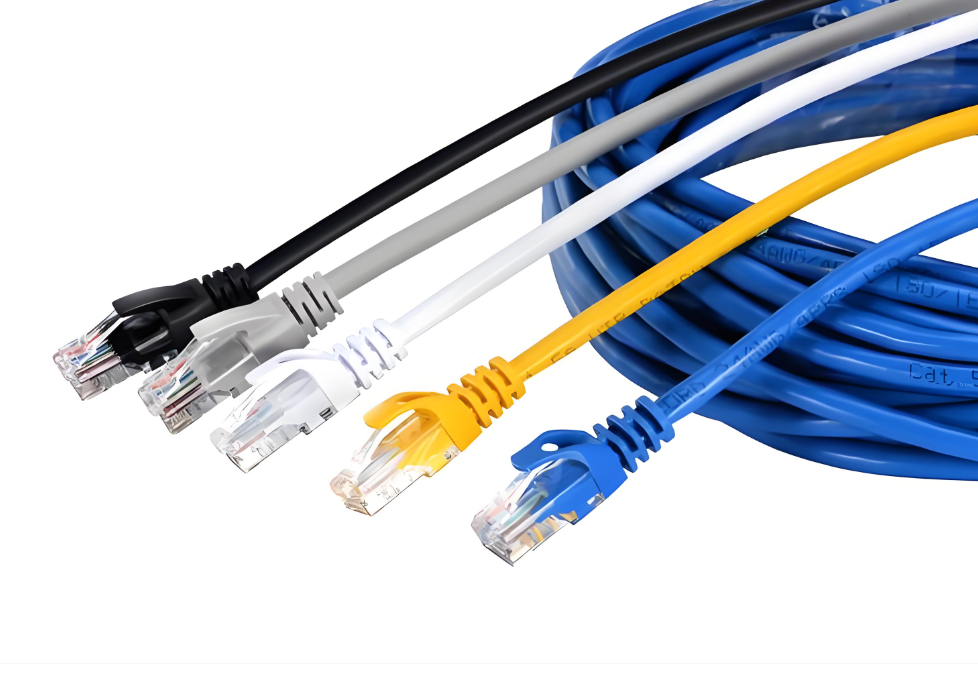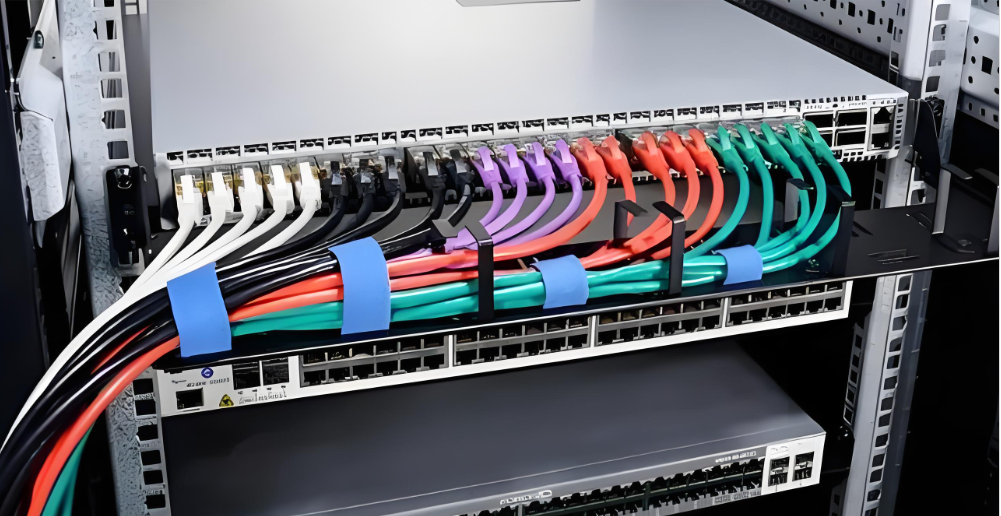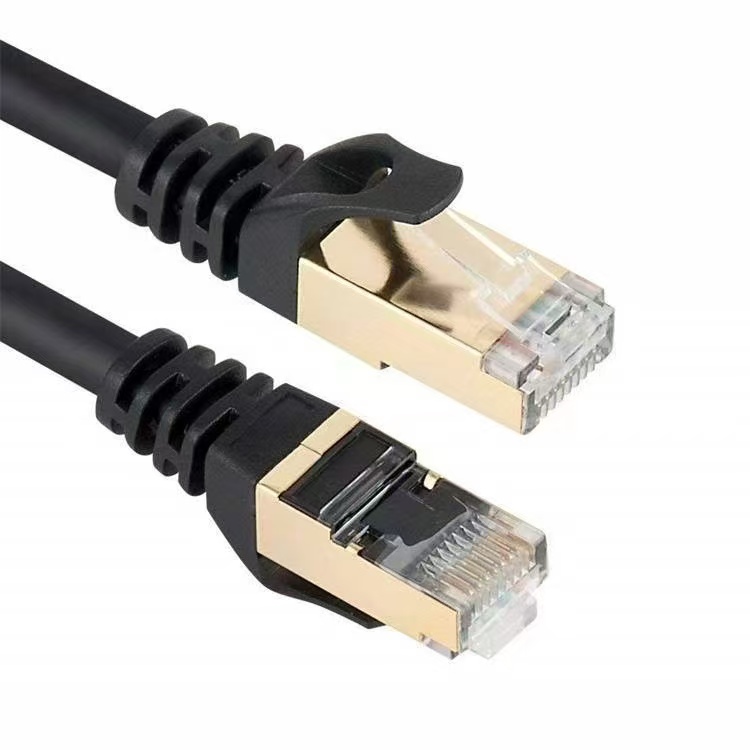

In the modern information society, the speed and stability of network communication are crucial for people’s work and life. Choosing the appropriate the 最高のイーサネットケーブル​ is an important step in ensuring efficient communication when building a network. Cat5eイーサネットケーブル そして cat6aイーサネットケーブル are widely used in different network environments, but what are the differences between them? This article will elaborate on both from multiple perspectives to help everyone make a wise choice.

cat6aイーサネットケーブル

Category 5 Enhanced, also known as Cat5e, is an enhanced version of the original Category 5 cable. Category 5 cables are limited to 100 Mbps Ethernet within 100 MHz. On this basis, Cat5eイーサネットケーブル have added support for 1000 Mbps (gigabit) and strengthened protection against crosstalk.

Category 6 Augmented, also known as Cat6a, is an upgraded version of cat6aイーサネットケーブル. It supports a network transmission speed of 10 Gbps and a frequency of 500 MHz. Compared with Category 5e Ethernet cables, Category 5e Ethernet cable have significantly improved anti-interference, signal quality, and transmission speed.

cat6aイーサネットケーブル

1.Comparison of core parameters

アイテム CAT5e Industrial Drag Chain Cable CAT6A Industrial Drag Chain Cable
Conductor Size 24–26 AWG (thinner) 23 AWG (thicker)
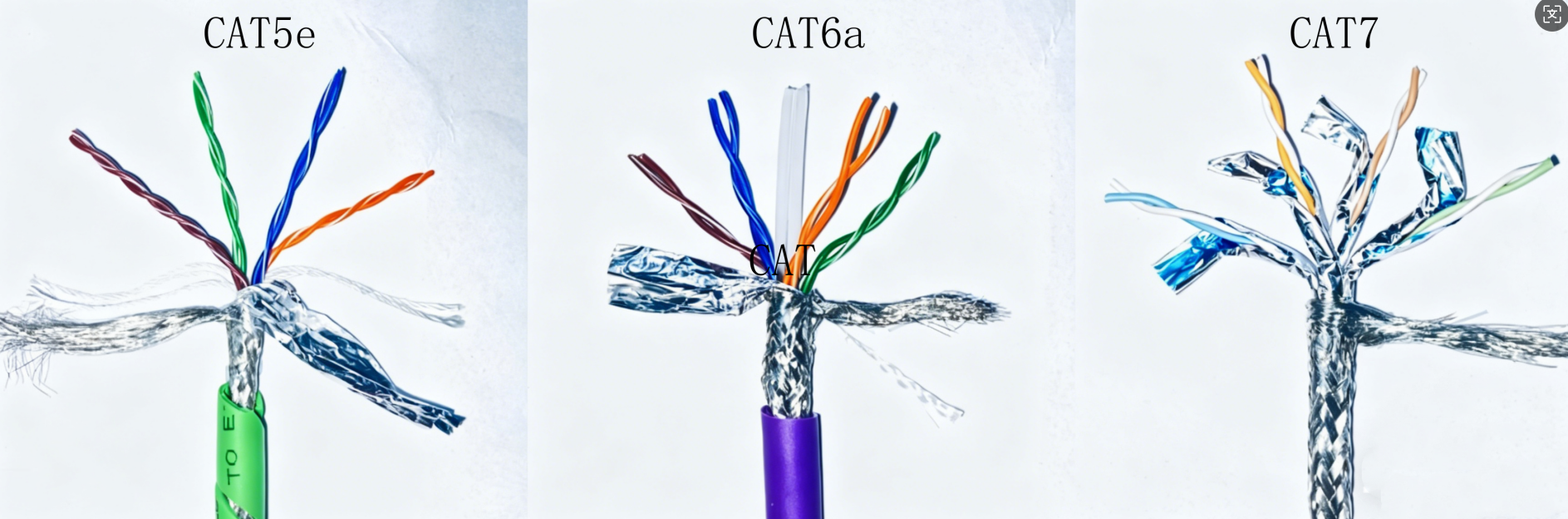
Internal Structure No cross separator With cross separator / individual pair shielding
Outer Diameter ~5–6 mm, more flexible ~7–9 mm, stiffer
Flex Life 3–5 million cycles 5–10+ million cycles
Bandwidth 100 MHz 500 MHz
Data Rate 1 Gbps (Gigabit) 10 Gbps (10-Gigabit)
Shielding UTP/FTP common S/FTP (double shielded)
Bend Radius ≥ 7.5 × OD ≥ 10 × OD
Speed Rating ≤ 5 m/s ≤ 10 m/s
Jacket PUR / TPE High-flex PUR (oil & abrasion resistant)
Typical Applications PLC, HMI, inverter, low-speed motion Machine vision, high-speed camera, robot, AGV, high-interference environment

cat6aイーサネットケーブル

2.Differences in Material and Structure

copper wire

Both types of 柔軟なイーサネット ケーブル​ usually use high-quality oxygen free copper wires, but the copper wires of cat6a ethernet cables are thicker to support higher data transmission rates and longer transmission distances.

Sheath Material

The outer sheath materials of both are mostly made of flame-retardant PVC (polyvinyl chloride) or LSZH (low smoke halogen-free). The protective sheath of Category cat6aイーサネットケーブル is generally thicker, which further enhances their ability to resist electromagnetic interference.

Structural Design

Cat5e ethernet cable typically contain 4 pairs (8 wires) of twisted pair cables, while Category 5e Ethernet cables add an isolation layer to minimize interference between each pair of twisted pair cable

Scenario using CAT5e industrial Ethernet cable:

● Ordinary PLC communication

● Ordinary frequency converter HMI、 touch screen

● Cascading of ordinary industrial switches

● Ordinary monitoring and sensors

● Limited budget, minimal interference, short distance

Scenario using CAT6A industrial Ethernet cable:

● Machine vision, high-speed cameras

● Industrial 10G switches, servers, core ring networks

● Trailer chains, robots AGV、 mobile device

● Strong interference workshop (with many motors and welding machines)

● Require stability, durability, and long-term non replacement of wires

cat6aイーサネットケーブル

The core differences between CAT5e and CAT6A for towing chain (tank chain, reciprocating movement) scenarios are: dynamic stability, anti-interference, bending life, and high-speed signal integrity. CAT6A is the preferred choice for high dynamic, 10G, strong interference, and long lifespan in drag chains; CAT5e is suitable for ordinary mobile scenarios with low speed, short distance, low interference, and tight budget.

返信を残す

あなたのメールアドレスは公開されません。 必須フィールドはマークされています *