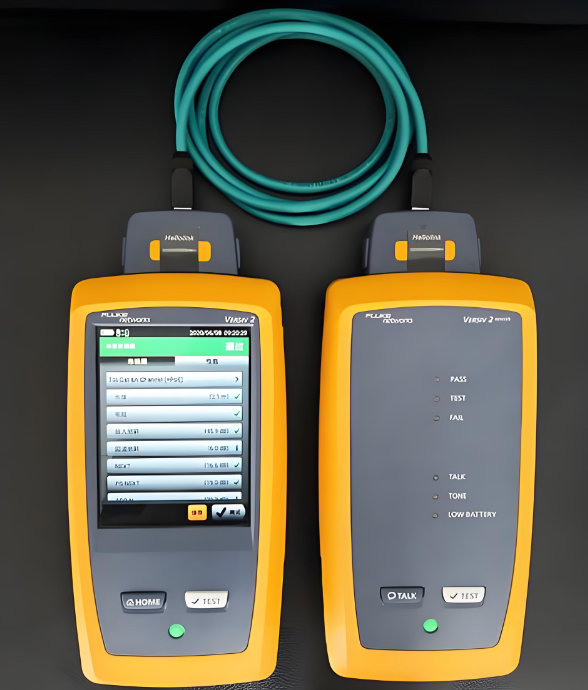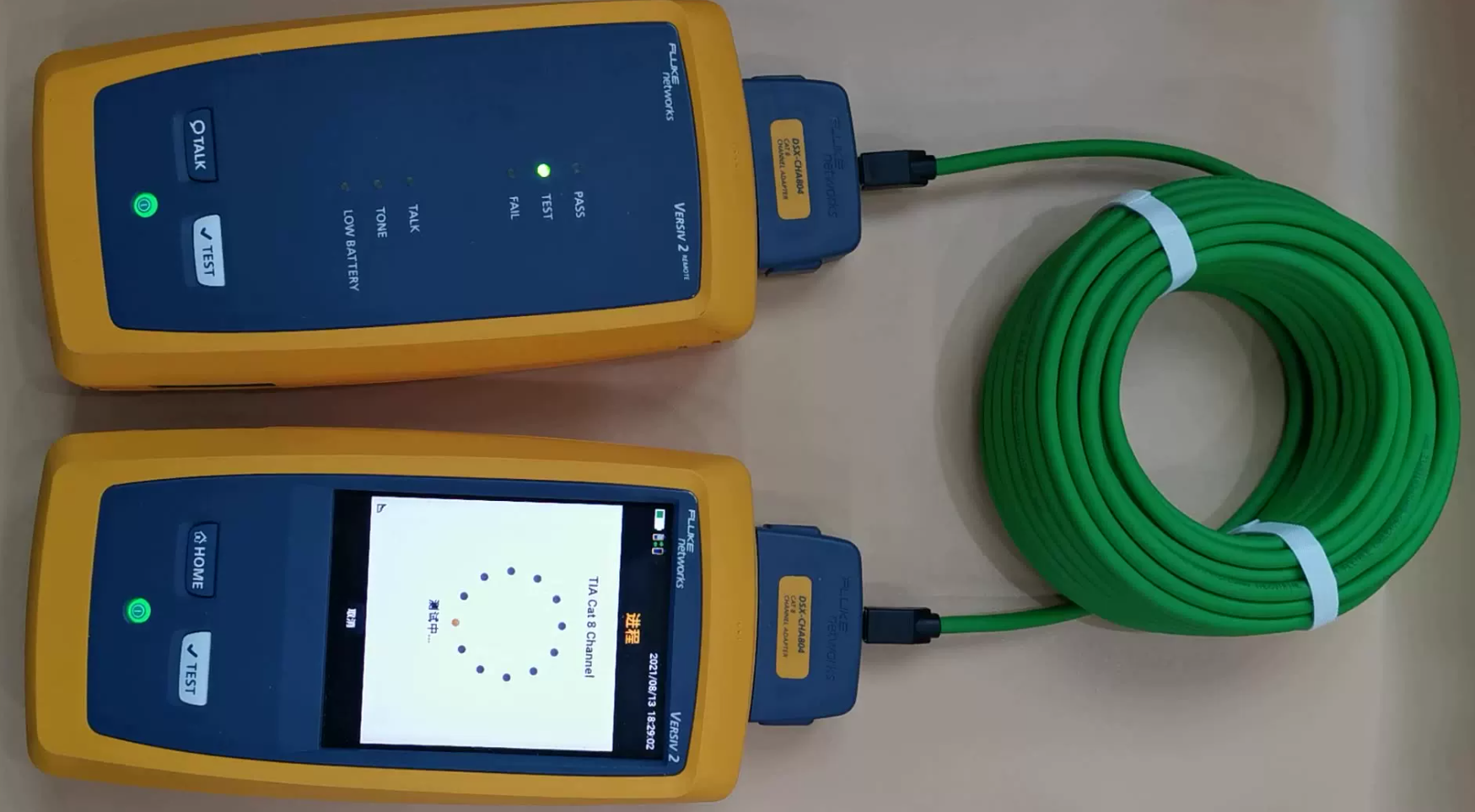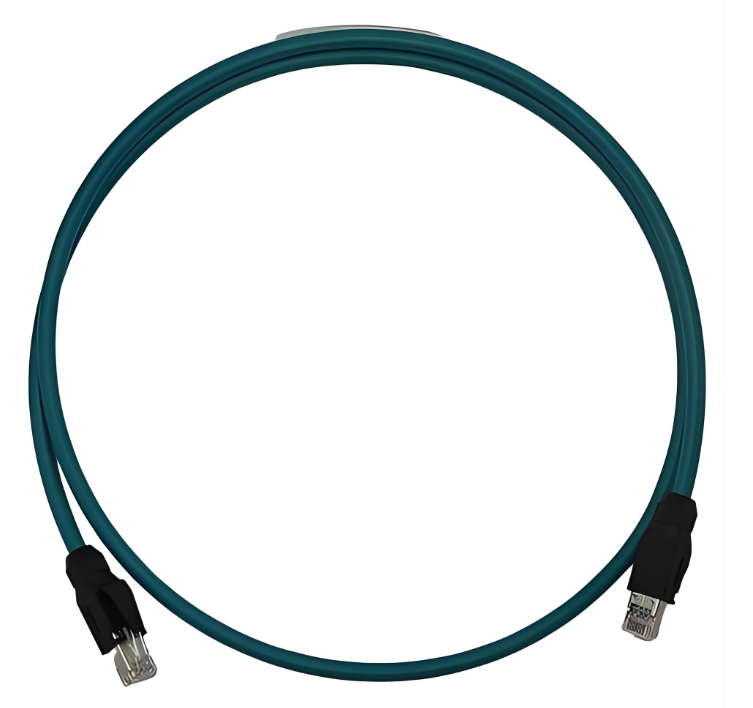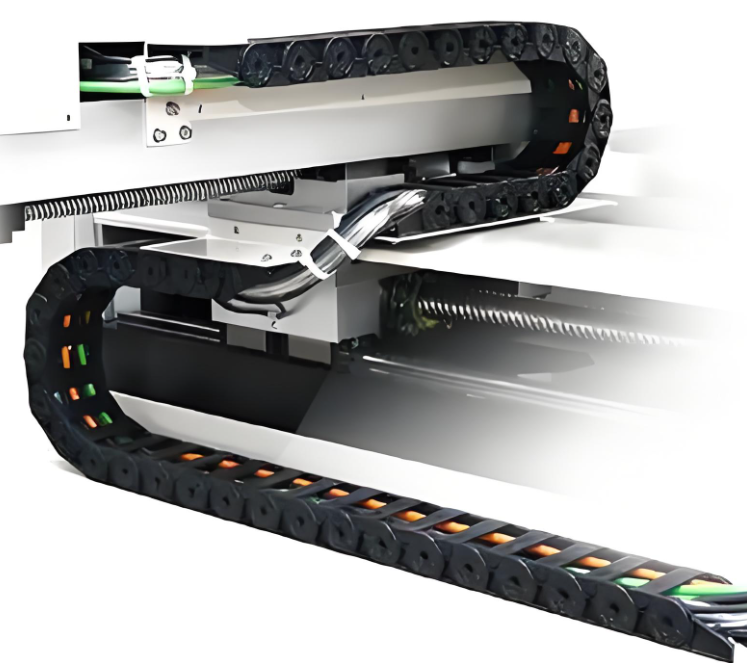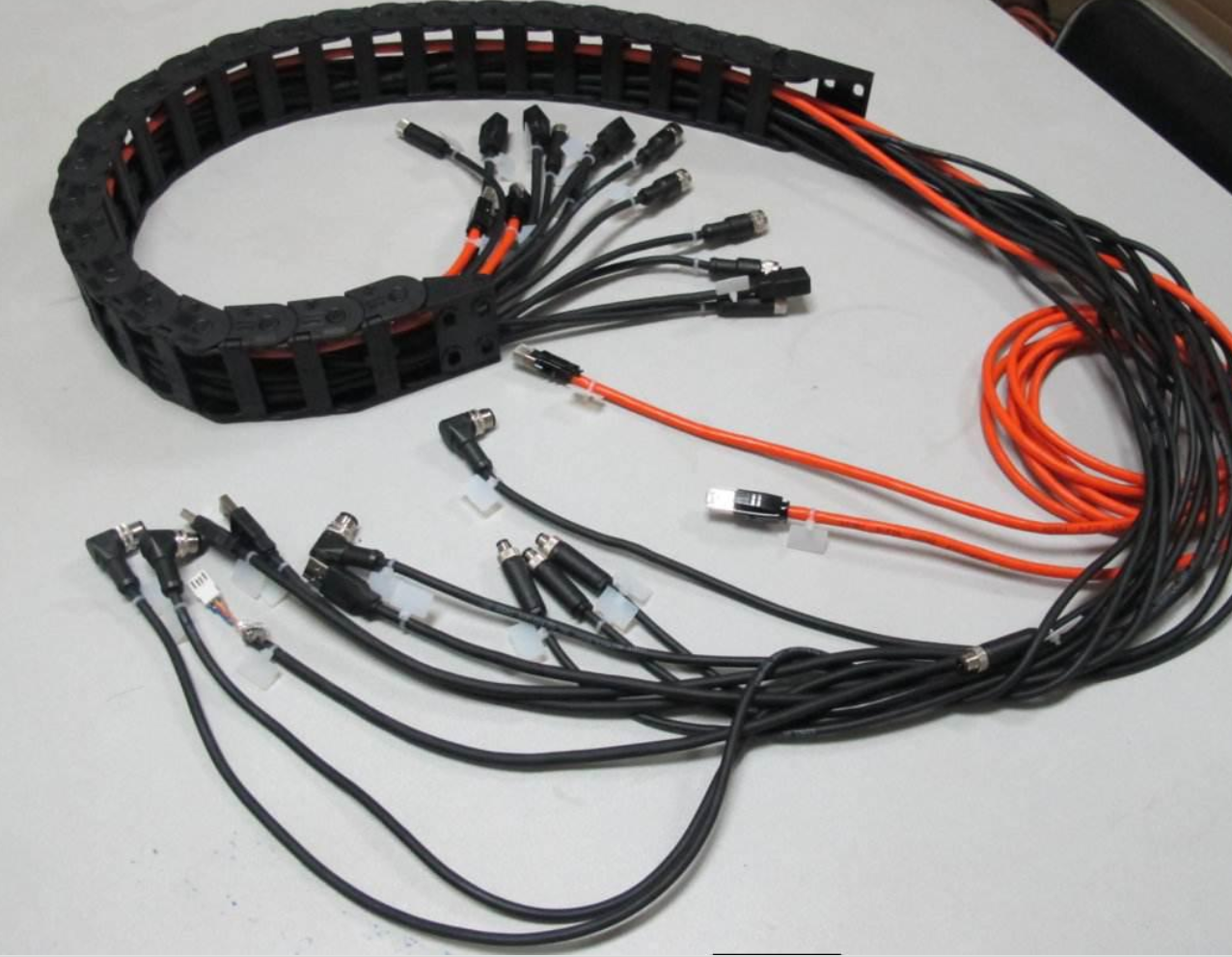

In automated production lines, robotic arms and other moving equipment, network cables inside cable chains undertake critical data transmission tasks. Many engineers and maintenance personnel have encountered a common issue: the network runs normally when stationary, but suffers from speed drops, lag, packet loss or even disconnection during reciprocating movement.

Why do regular network cables fail to maintain performance in cable chains? How to select proper cables and follow standard installation rules to ensure consistent transmission during continuous bending? Let’s break it down in detail.

柔軟なイーサネット ケーブル
柔軟なイーサネット ケーブル

1. The main reason for the decrease in speed during the movement of 産業用イーサネットケーブル

Repeated bending, stretching and friction will damage the internal structure of common cables and compromise signal integrity, which leads to poor network performance:

● Distorted twist pitch of paired cables causes impedance imbalance and severe crosstalk.

● Conductor fatigue leads to micro-cracks and increased resistance, raising signal attenuation.

● Damaged shielding allows electromagnetic interference from motors and inverters, resulting in bit errors and packet loss.

● Worn and cracked outer sheaths further deform the whole cable structure.

In short, ordinary household or standard 産業用ネットワークケーブル are not designed for dynamic applications. Proper selection is the fundamental solution.

柔軟なイーサネット ケーブル
柔軟なイーサネット ケーブル

2.The selection of 柔軟なイーサネット ケーブル: the key to stable and dynamic transmission

Cable specifications directly determine long-term operating performance. Focus on six core indicators below:

Cable Category

Match the cable grade to your required bandwidth:

● For Gigabit Ethernet: Choose CAT5e chain-rated flexible cables with a bending lifespan of over 5 million cycles.

● For 10-Gigabit Ethernet, machine vision and high-frequency data acquisition: Adopt CAT6A high-flex cables for superior high-frequency stability.
Avoid low-quality cables with aluminum-clad copper conductors.

Conductor Structure

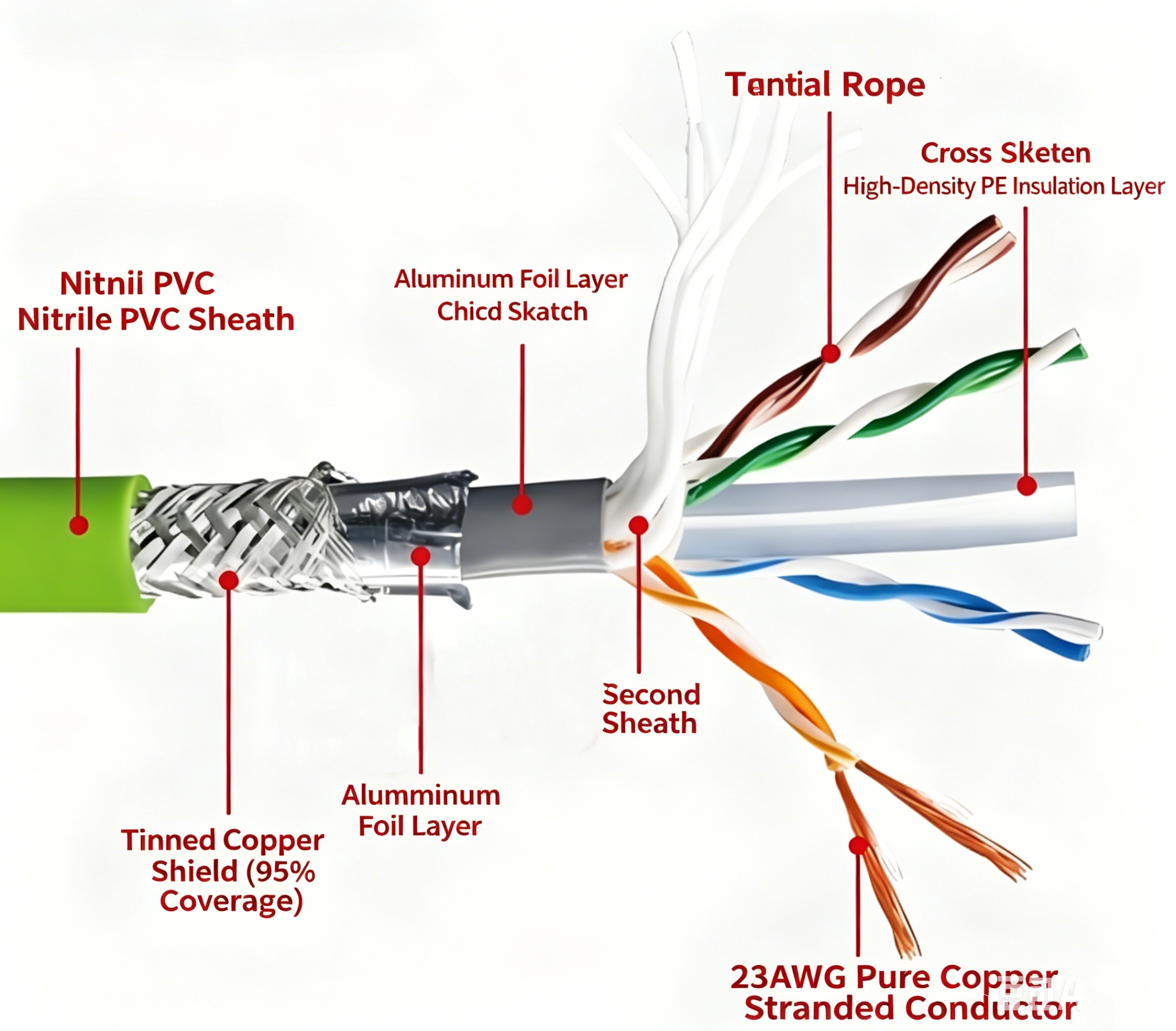
Stranded tinned oxygen-free copper is standard for chain cables. Multiple fine strands deliver excellent flexibility to withstand millions of bends. Cables reinforced with aramid yarn or central strength members effectively resist tension and prevent conductor deformation.

柔軟なイーサネット ケーブル
柔軟なイーサネット ケーブル

内部構造

High-quality chain cables apply differential twist pitch and cross separators to isolate wire pairs. This prevents extrusion and crosstalk during bending. Foamed PE or XLPE insulation features low dielectric loss and stable performance across a wide temperature range.

Shielding Performance

Industrial sites are filled with strong electromagnetic interference. Shielding is indispensable:

● Heavy interference environments: Use SFTP (foil + braided shield) with braid coverage above 95%.

● General industrial environments: FTP (single foil shield) is acceptable.

UTP unshielded cables are not recommended for cable chain applications.

外装シース材質

Sheath material decides abrasion, oil and bending resistance:

PURイーサネットケーブル is the top choice. It works steadily from -40℃ to +80℃, with outstanding resistance to wear, oil, chemicals and aging.

● TPE is an alternative option. PVC sheaths are strictly forbidden, as they crack easily under frequent bending.

曲げ半径

Make sure the cable’s dynamic bending radius is smaller than that of the cable chain. Premium flexible cables support 8~10 × outer diameter bending radius, ideal for compact installation.

柔軟なイーサネット ケーブル
柔軟なイーサネット ケーブル

3. Standard installation rules for flexible Ethernet cables

● Even with qualified cables, improper installation will still cause network failures. Follow these rules strictly:

Leave extra length: Reserve 5%~10% cable length for long-travel chains to avoid tension and deformation.

Separate power and data cables: Use dividers to isolate flexible ethernet cables from power cables and maintain safe spacing to reduce interference.

Stress relief at ends: Fix the cable ends at a distance of 10~30 × cable outer diameter from the chain ends to disperse stress.

No twisting or tangling: Remove cable torsion before installation. Keep cables straight inside the chain without crossing or twisting.

Proper tightness: Arrange cables moderately, neither overcrowded nor overstretched.

柔軟なイーサネット ケーブル
柔軟なイーサネット ケーブル

4. Connector and Daily Maintenance

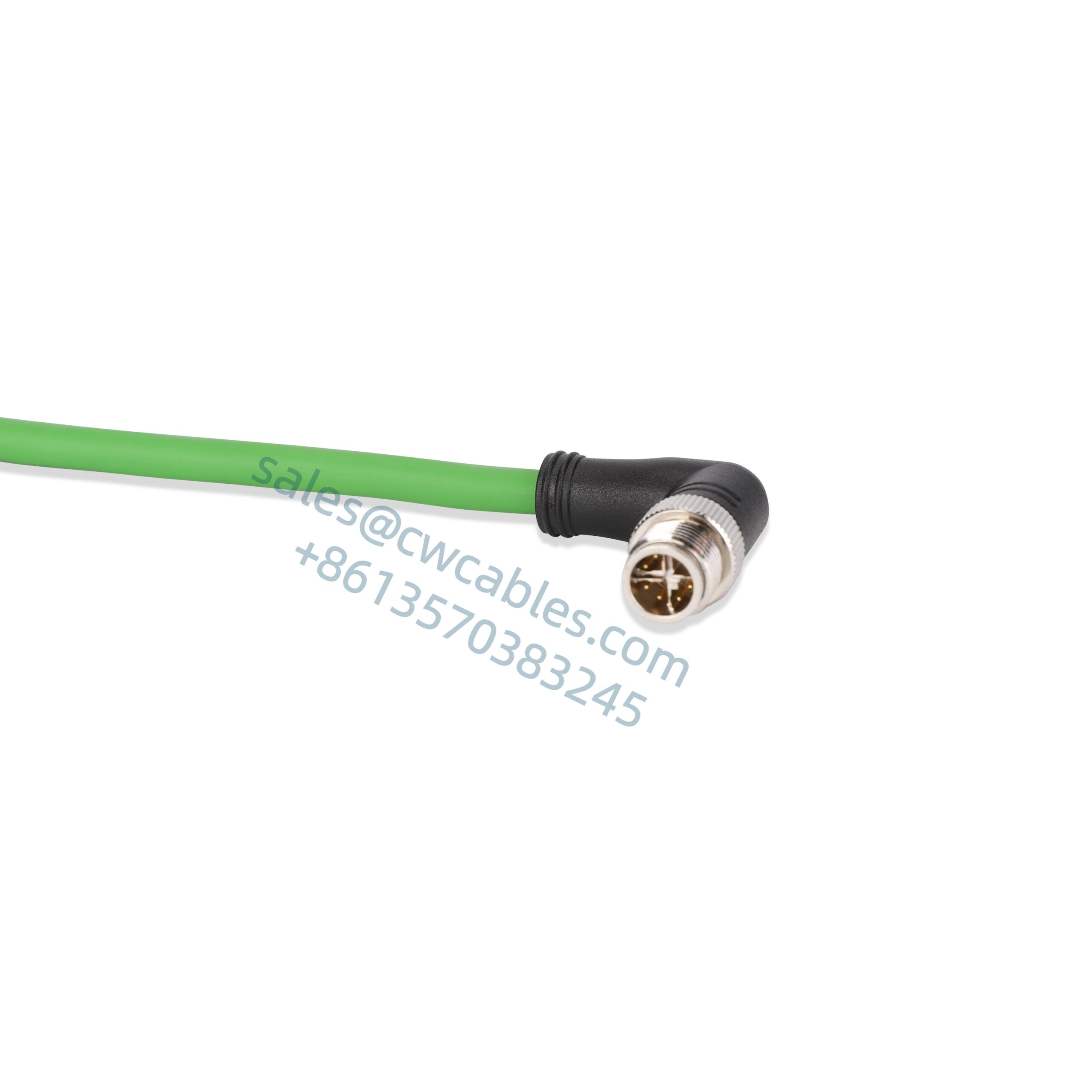
Use industrial shielded connectors such as M12 or industrial RJ45. Ensure 360 ° shielding continuity and complete grounding. If the connection and network cable can be integrated through injection molding, it will have a longer service life.

Conduct regular inspections. Check for sheath wear, exposed shielding and loose connectors. Remove debris inside the chain to prevent cable damage.

Increase inspection frequency for harsh environments with extreme temperature, oil or moisture.

柔軟なイーサネット ケーブル
柔軟なイーサネット ケーブル

5. Summary

Maintaining full speed and low packet loss for flexible ethernet cables requires a complete set of solutions including reasonable selection, standard installation and regular maintenance

Gigabit application: CAT5e SFTP cable with PUR sheath, bending lifespan ≥ 5 million cycles.

10-Gigabit application: CAT6A SFTP reinforced cable, bending lifespan ≥ 10 million cycles.

Based on the author’s years of experience in this industry, it is concluded that in order to ensure that the transmission rate of the network cable does not decrease during the bending process, we should try to set the bending radius of the network cable as large as possible, so that the service life of the network cable is also longer.

By following the above guidelines, you can eliminate speed degradation issues and achieve long-term stable data transmission for moving industrial equipment.

柔軟なイーサネット ケーブル
柔軟なイーサネット ケーブル

返信を残す

あなたのメールアドレスは公開されません。 必須フィールドはマークされています *