

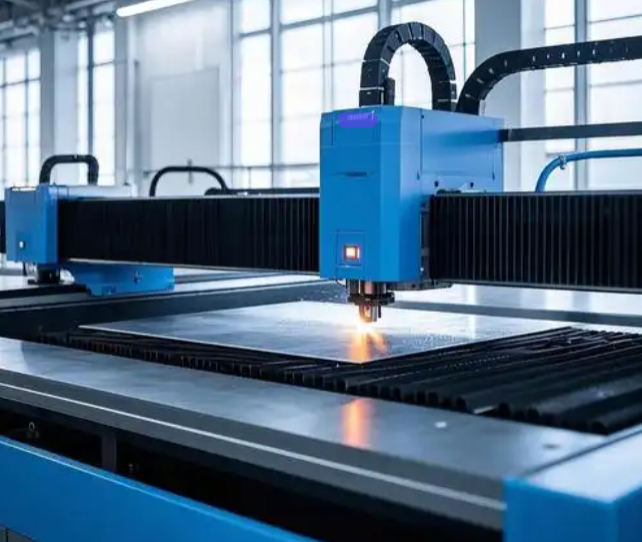
High flexibility cable, also known as drag chain cable, is commonly used in drag chain motion systems as a carrier for power transmission and signal transmission. It adopts a multi stranded conductor structure and a sheath made of low viscosity, flexible and wear-resistant materials to slow down the wear rate of the cable during continuous reciprocating movement.
In situations where it is necessary to move back and forth on equipment, in order to prevent cable entanglement, wear, detachment, hanging, and scattering, flexible cables are often placed in cable drag chains to protect the cables, and the cables can also move back and forth with the drag chains. This type of high flexibility cable that can move back and forth with the drag chains without being easily worn is also called drag chain cable, tank chain cable, mobile cable, robot cable, etc. It is a special cable designed specifically for frequent bending, twisting, and moving scenarios. Its core features include resistance to bending, long lifespan, small bending radius, and the ability to work stably for a long time under dynamic conditions.
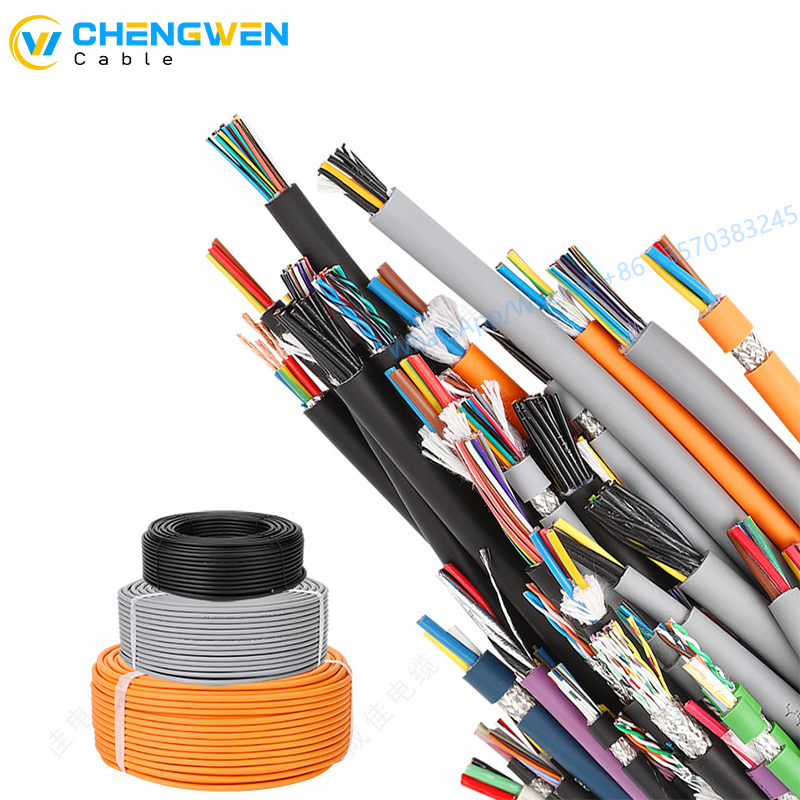
The wire structure of high flexibility cables is mainly based on the stranded copper wire structure of DIN VDE 0295 and IEC 228 standards. The sheath is mostly made of low viscosity, flexible and wear-resistant materials to slow down the wear rate of the cable during continuous reciprocating movement.
Today, we will explain the characteristics of high flexibility cable from the perspective of cable material and structure:
1.Tensile center of high flexibility cable
2. Conductor structure of flexible wire
Cables should choose conductors with good flexibility. Generally speaking, the thinner the conductor, the better the flexibility of the cable. However, if the conductor is too thin, it may cause cable entanglement. According to the size of the cable, a series of long-term experiments have provided suitable shielding combinations for the diameter, length, and pitch of a single conductor ranging from 0.08mm to 0.2mm. It has good tensile strength.
3. Core wire insulation of high flexibility cables (cavo della catena portacavi)
The insulation materials inside the cable cannot stick to each other, and the insulation layer also needs to support each single strand of wire. Therefore, only modified PVC or TPE and PE materials formed under high pressure can be used in high flexibility cables.
4. Twisted structure of flex wire
The stranded wire structure must be wound around a stable tensile center with a suitable twist pitch. However, due to the application of insulation materials, the stranded wire structure should be designed according to the motion state. Starting from 12 core wires, multiple sets of multiple stranded structures should be used.
5. Internal structure of flex cable
6. Shielding layer of flexible cable
The tightly woven layer outside the inner sheath, and the loose woven tape will reduce the EMC protection ability and the shielding layer will quickly fail due to the breakage of the shielding. The tightly woven shielding layer also has the function of resisting torsion.
7.Outer sheath of flexible cable
The outer sheath made of different improved materials has different functions, including UV resistance, low temperature resistance, oil resistance, and cost optimization. But all of these outer sheaths have one thing in common, high wear resistance and will not adhere to anything. The outer sheath must be highly flexible, but also have a supporting function, of course, it should be high-pressure formed.
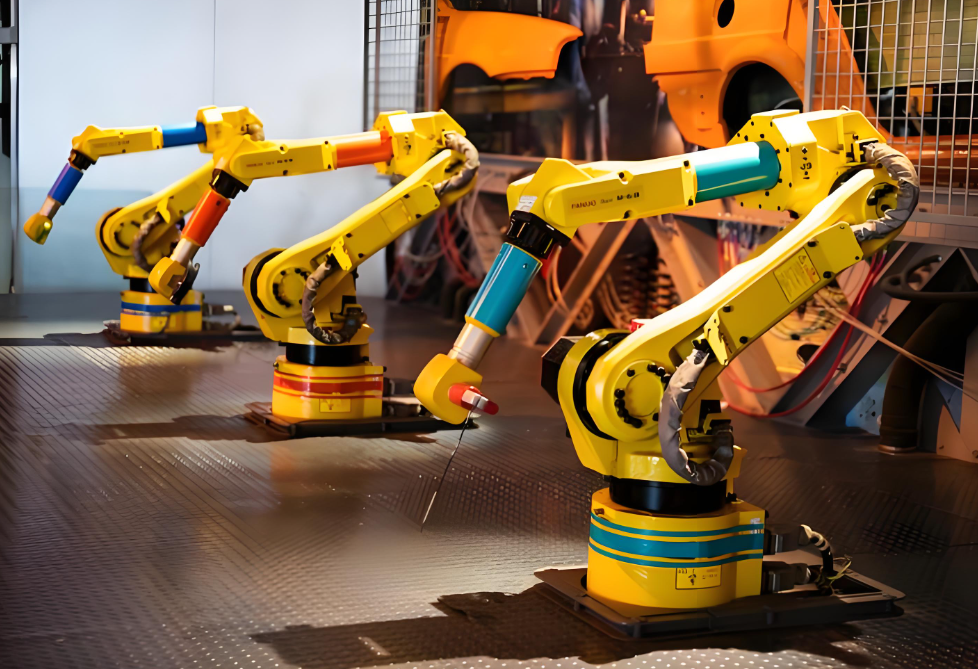
High flexibility cables can be selected with a lifespan of 5-50 million times and a minimum bending radius of 4d to 7.5d according to different usage scenarios, suitable for dynamic scenarios such as robots, drag chains, and drums.
