

After working on engineering wiring and equipment maintenance for a long time, I have found that many network failures are not caused by the equipment itself, but by the wrong selection of cables. The vast majority of conventional scenarios use ordinary PVC network cables, which are completely sufficient, cost-effective, and easy to wire. But as long as it involves industrial automation equipment, outdoor long-term exposure to sunlight, and oil pollution and corrosion environments, PVC network cables are basically “short-lived ghosts”, with problems such as cracking, broken cores, random packet loss, and equipment offline detected during inspection, requiring a lot of time and money for repeated maintenance and replacement.
In this usage environment, PUR ethernet cable is the best solution I have developed with years of experience. Its biggest advantage is not its attractive parameters, but its wear resistance, oil resistance, bending resistance, high and low temperature resistance, and UV resistance, making it suitable for most harsh environments. Today, based on one real renovation projects that I have handled, I will talk about the actual use effect, experience of stepping on pitfalls, and selection experience of Cavi di rete PUR, and provide wiring references for colleagues.
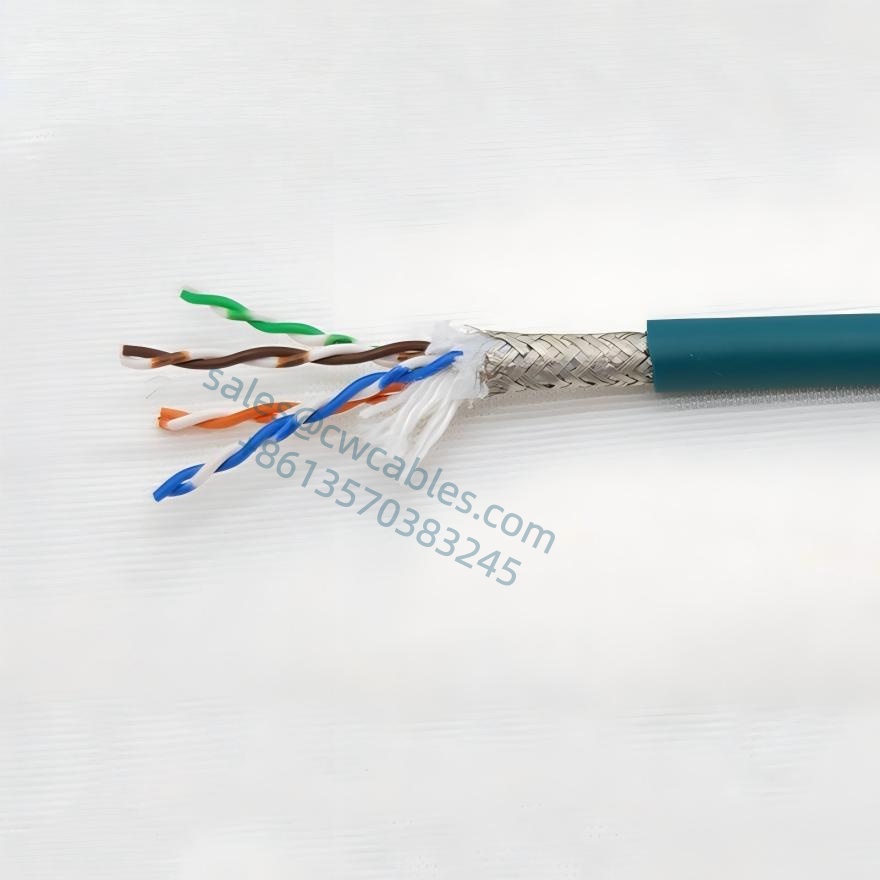
Share a case: The cavo Ethernet con catena portacavi used by aluminum factories frequently experiences problems
I have been closely following a large aluminum factory that ranks among the top 5 in China in terms of scale and is one of my old customers.Three years ago, the biggest challenge faced by customers was frequent issues with the cavo ethernet flessibile on the aluminum automated packaging line, resulting in a decrease in production efficiency.
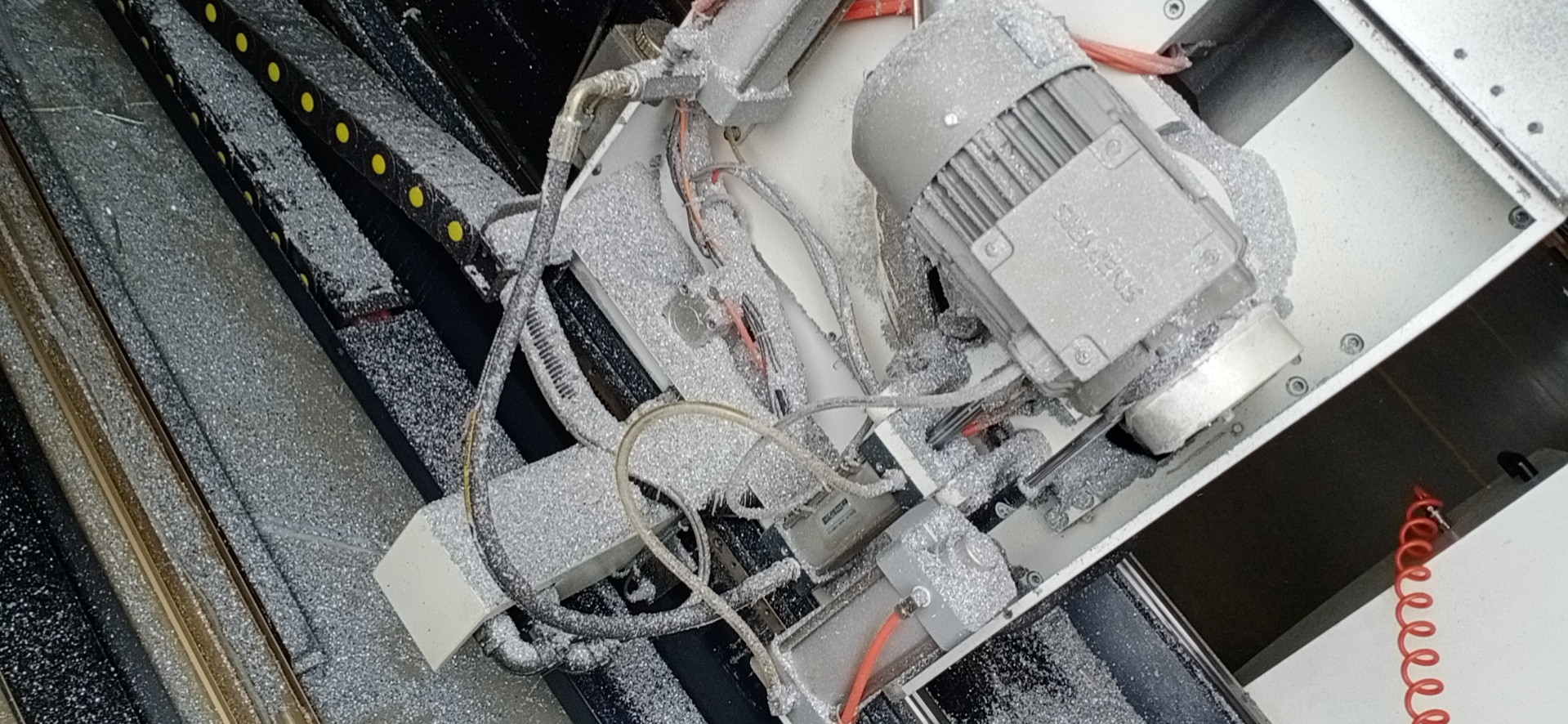
IL cavo della catena portacavi used on this production line is 16 meters long, with the part passing through the drag chain being 6.5 meters long.The drag chain moves back and forth 13 times per minute at a speed of 1.5 meters per minute. The bending radius of the drag chain is 350mm.This speed is not fast, so using PVC drag chain cable is not a big problem. The key is that during actual use, the drag chain is filled with a mixture of oil and water, and a lot of aluminum debris falls into the drag chain, causing the outer sheath of the ethernet cable to crack. On average, the outer sheath of the ethernet cable cracks after about 2-3 months of use.
After the outer sheath of the ethernet cable cracks, the entire production line can only be stopped for repair and replacement of the ethernet cable, causing a decrease in customer production capacity and economic losses.
After the customer reported this issue to me, I went to the customer’s site to inspect the operation of the entire production line and the usage environment of the flexible ethernet cable. I found a key problem, that is, the outer sheath of the entire ethernet cable is covered with oil and metal debris, which is the cracking of the outer sheath of the PVC drag chain ethernet cable due to its poor oil resistance.
Immediately, I explained the cause of the problem to the customer and proposed a solution: replace all PVC drag chain cables with Cavi per catene portacavi in PUR. The client accepted my suggestion and implemented this solution. It’s been 3 years and this ethernet cable hasn’t had the same problem.
Personal selection conclusion and implementation suggestions for drag chain ethernet cables
Based on years of practical experience, I can clearly say:In addition to considering the operating conditions of the cable, the key to choosing a drag chain Ethernet cable is the usage environment of the cable. When there are oil stains and debris from processing materials scattered on the cable, PVC Ethernet cable cannot be used. PUR drag chain Ethernet cable must be used, and the PUR material must be selected to be water-resistant polyether PUR.