

Nel momento in cui la velocità di Internet è lenta, il gioco è offline e la videoconferenza è bloccata, ti stai chiedendo se è la pentola del router o la banda larga non è fantastica?
Ma in realtà è anche possibile che il cavo Ethernet non sia stato selezionato correttamente.
Nel collegamento di trasmissione del segnale di rete, il cavo Ethernet è il collegamento più facilmente trascurato. Ma il cavo Ethernet è il ponte che collega diversi dispositivi e, se il cavo Ethernet non viene scelto correttamente, influenzerà anche la velocità di trasmissione dei dati di rete dei dispositivi su entrambe le estremità.
Ad esempio, se il router è da 1000 Mbps e la banda larga è da 500 Mbps e il cavo Ethernet utilizzato è da 100 Mbps, la velocità finale della rete sarà solo di 100 Mbps.
Classificazione dei cavi Ethernet
Attualmente i cavi di rete presenti sul mercato si dividono principalmente in: Categoria 5e, Categoria 6, Categoria 6a, Categoria 7e Categoria 8. I cavi di rete della Categoria 5 e quelli precedenti sono stati gradualmente eliminati dal mercato a causa della loro bassa velocità di trasmissione dati, che non può soddisfare i requisiti dell'uso domestico e industriale.
| Tipo | Velocità di trasmissione | Larghezza di banda di frequenza | Distanza di trasmissione | Diametro del conduttore | Tipo di schermatura |
|---|---|---|---|---|---|
| Cat5e | 1000Mbps | 100 MHz | 100 metri | 00,51 mm | Schermato/Non schermato |
| Cat6 | 1000Mbps | 250 MHz | 100 metri | 00,57 mm | Schermato/Non schermato |
| Cat6a | 10 Gbps | 500 MHz | 100 metri | 00,57 mm | Schermato/Non schermato |
| Cat7 | 10 Gbps | 600 MHz | 100 metri | 00,58 mm | Doppia schermatura |
| Cat8 | 25/40 Gbps | 2000 MHz | 30 metri | 00,62 mm | Doppia schermatura |
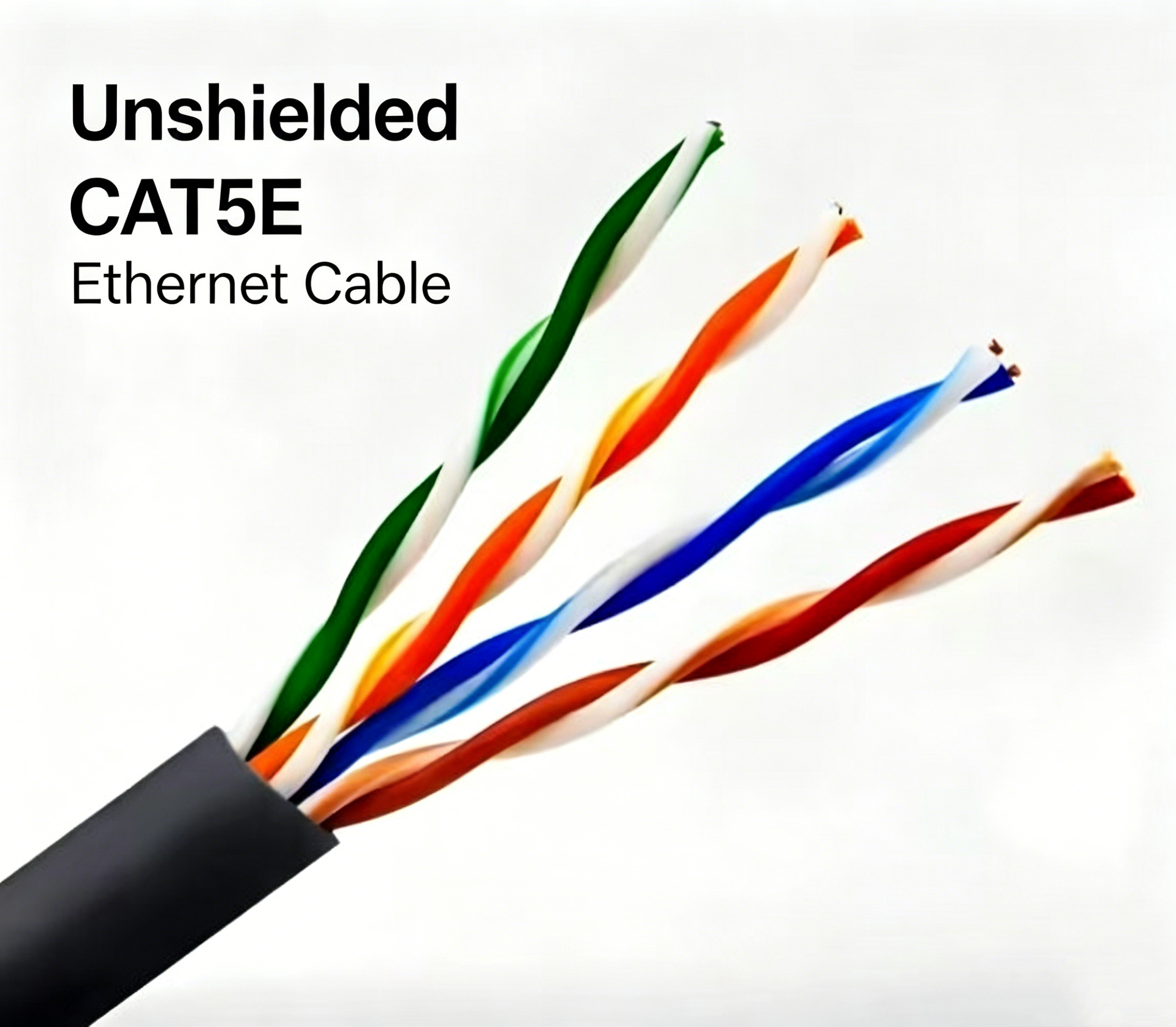
Il lato esterno del cavo di rete è contrassegnato con CAT5E, con una frequenza di trasmissione massima di 100 MHz. Può raggiungere una velocità di trasmissione di 1000 Mbps entro 100 metri ed è adatto per reti Gigabit.
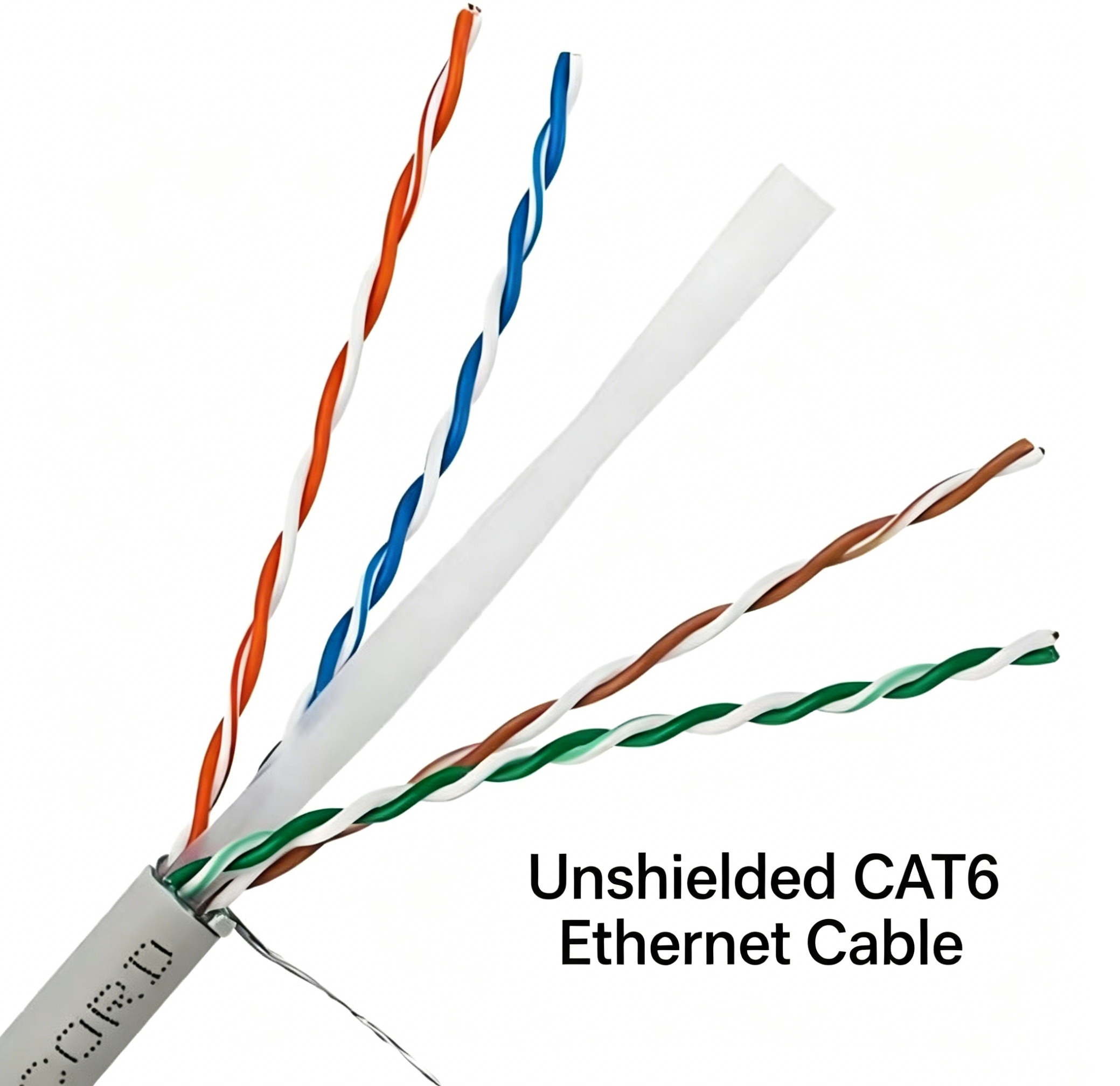
Il lato esterno del cavo di rete è contrassegnato con CAT6, con una frequenza di trasmissione massima di 250 MHz. Può raggiungere una velocità di trasmissione di 1000 Mbps entro 100 metri ed è adatto per reti Gigabit. Per ridurre meglio la diafonia, alla maggior parte dei cavi di categoria 6 è stato aggiunto uno scheletro di isolamento incrociato e, rispetto alla categoria 5e, i cavi di categoria 6 hanno diametri del nucleo più grandi, distanze di trasmissione stabili più lunghe e prestazioni migliori. I cavi qualificati di categoria 6 possono supportare reti da 10 Gigabit entro 55 metri.
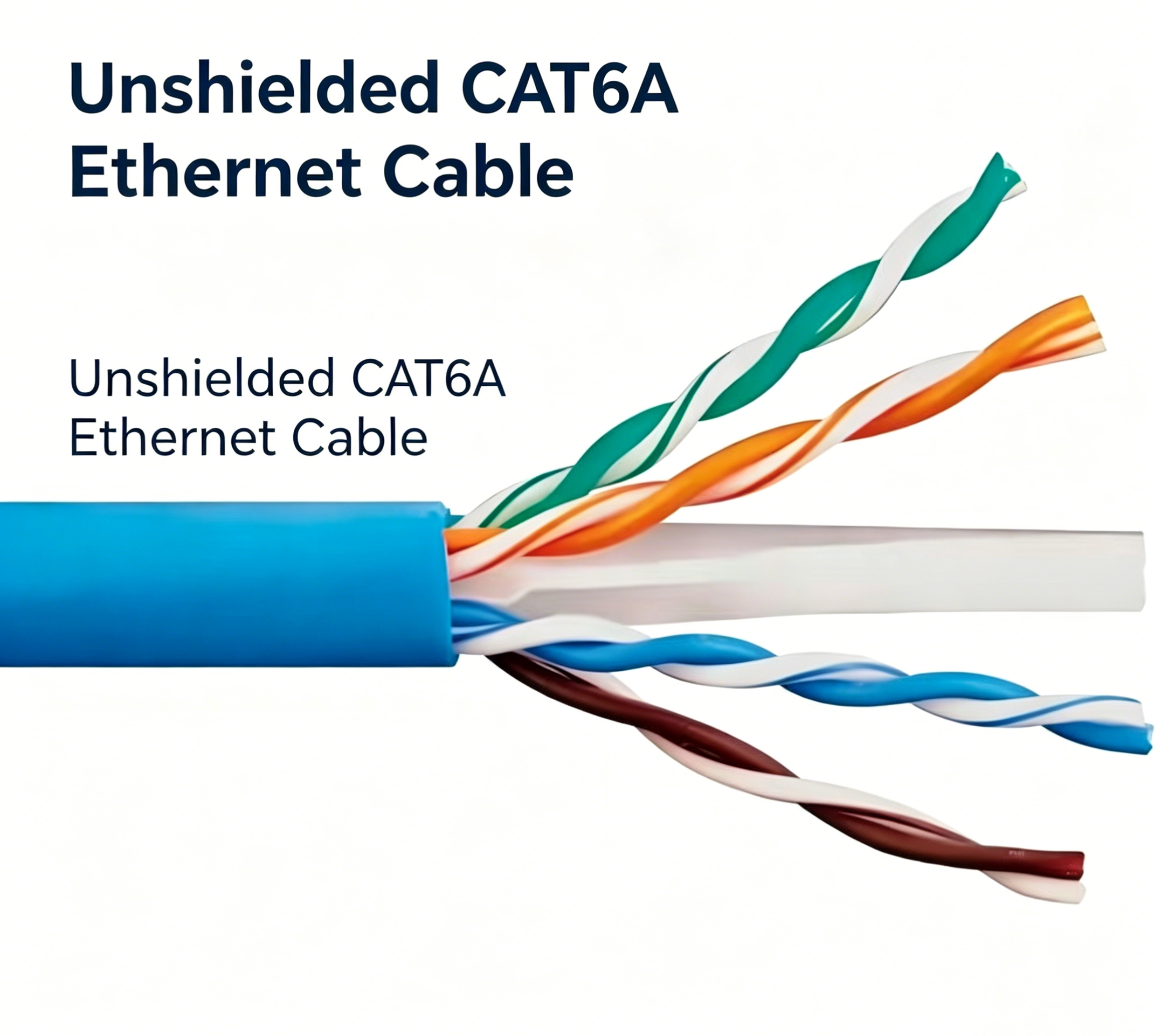
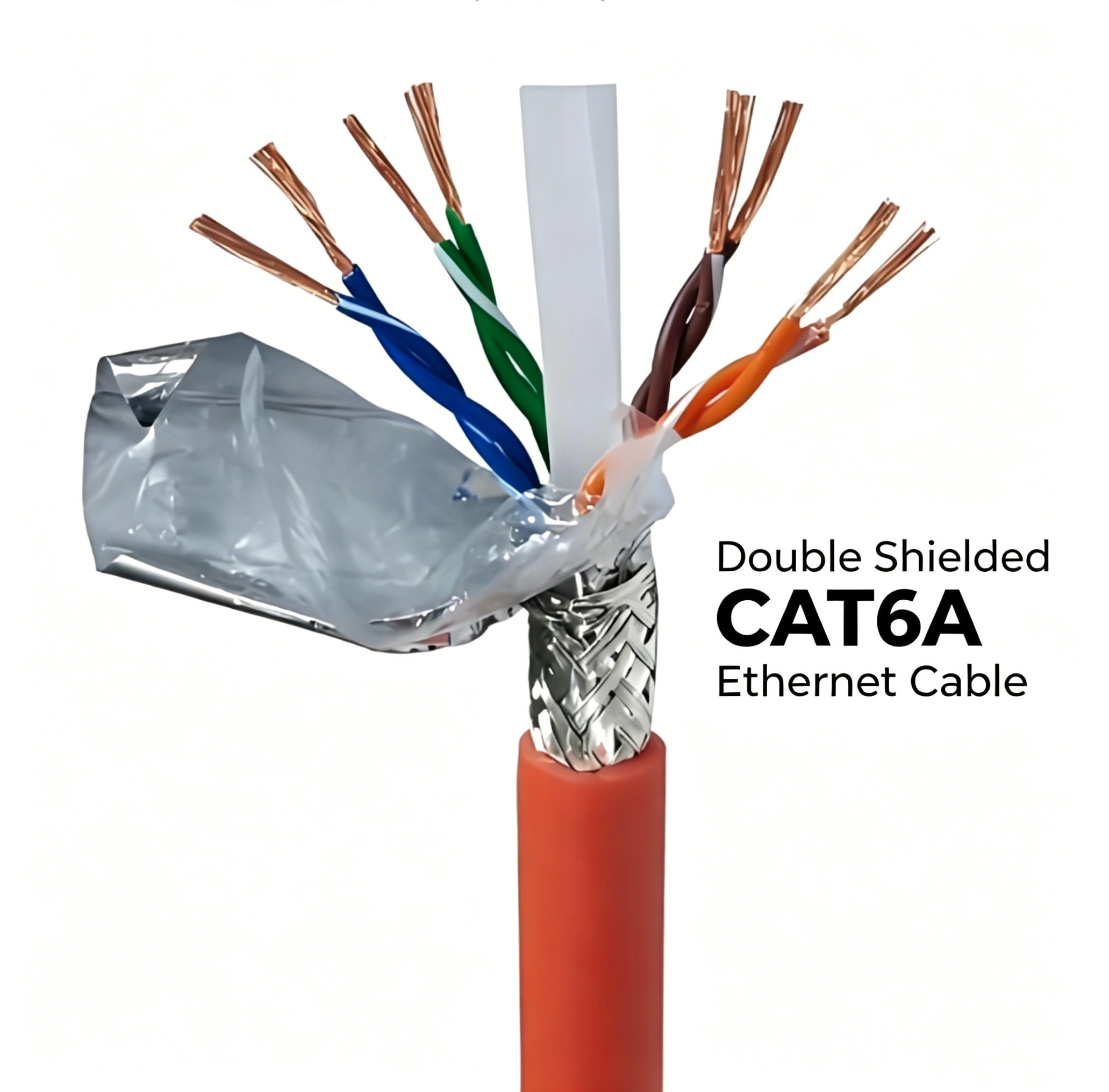
Il lato esterno del cavo di rete è contrassegnato con CAT6A, con una frequenza di trasmissione massima di 500 MHz e una velocità di trasmissione massima di 10 Gbps entro 100 metri, supportando reti da 10 Gigabit.
I cavi di categoria 5e sono CAT5E, i cavi di categoria 5e sono CAT6A e alcuni Cavo Ethernet industriale etichettati come CAT6E non appartengono alla categoria dei cavi standard e le loro prestazioni di trasmissione non possono essere garantite.
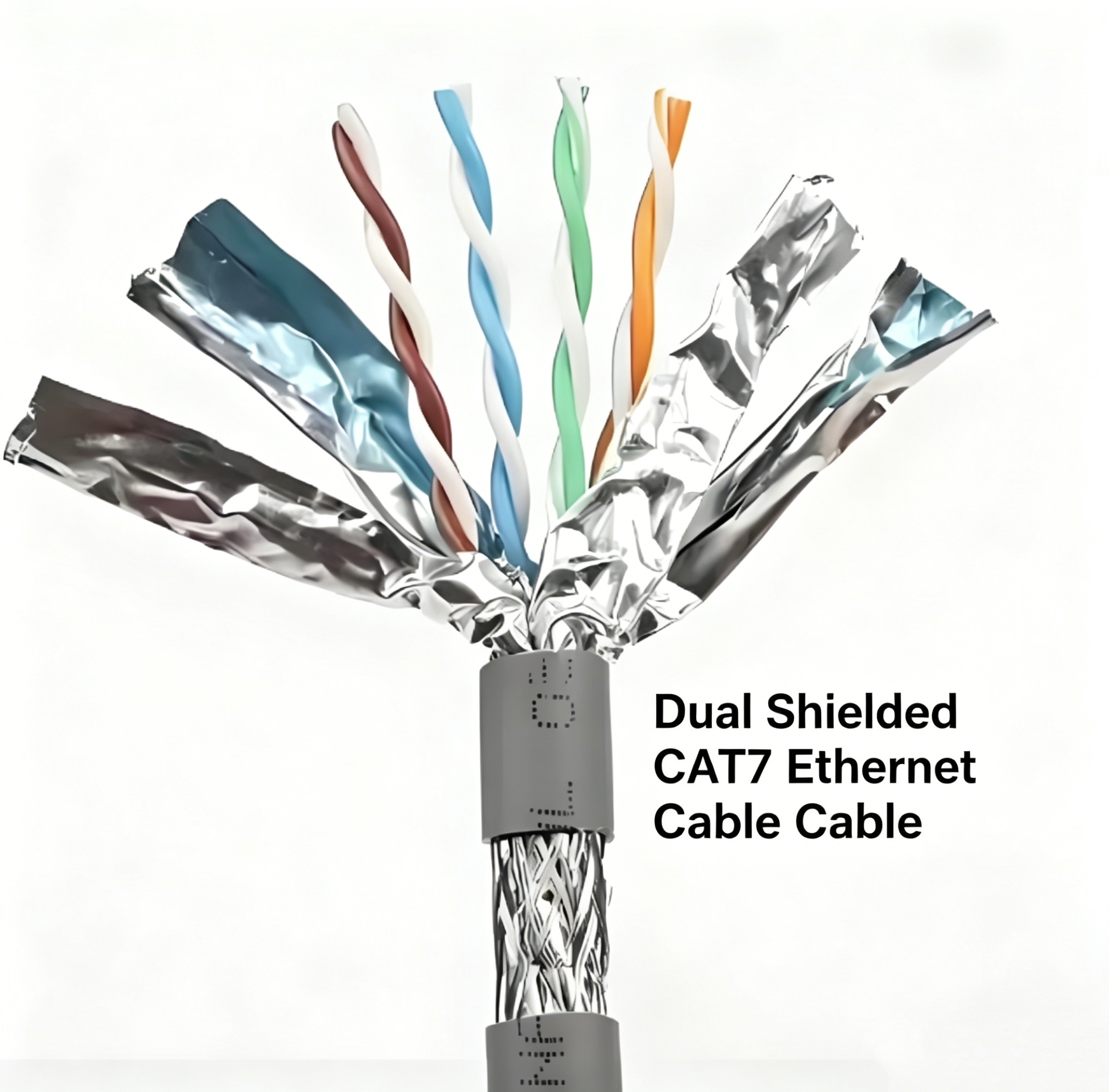
Il lato esterno del cavo di rete è contrassegnato con CAT7, con una frequenza di trasmissione massima di 600 MHz e una velocità di trasmissione massima di 10 Gbps entro 100 metri, supportando reti da 10 Gigabit. I cavi di rete di categoria 7 ora hanno l'obbligo di aggiungere una doppia schermatura per combattere meglio l'attenuazione del segnale e la diafonia.
Cavo Ethernet di categoria 8
Il lato esterno del cavo di rete è contrassegnato con CAT8, con una larghezza di banda ultraelevata di 2000 MHz e una velocità di trasmissione massima di 40 Gbps, ma solo entro una distanza di trasmissione di 30 metri. Pertanto viene generalmente utilizzato per il collegamento di dispositivi come server, switch e frame di distribuzione su brevi distanze.
Classificazione dei cavi Ethernet schermati
I tipi di cavi di rete sopra menzionati sono tutti cavi a doppino intrecciato, formati dall'avvolgimento di una coppia di fili isolati in senso antiorario l'uno attorno all'altro. Questo metodo di interblocco può ridurre le interferenze del segnale e quanto più denso è l'avvolgimento del filo, tanto più forte è la sua capacità anti-interferenza.
Al fine di migliorare ulteriormente le capacità anti-interferenza, alcuni cavo ethernet flessibile aggiungerà anche strati schermanti. A seconda della presenza o meno di strati di schermatura, i cavi Ethernet sono suddivisi in doppino intrecciato schermato (STP) e doppino intrecciato non schermato (UTP).
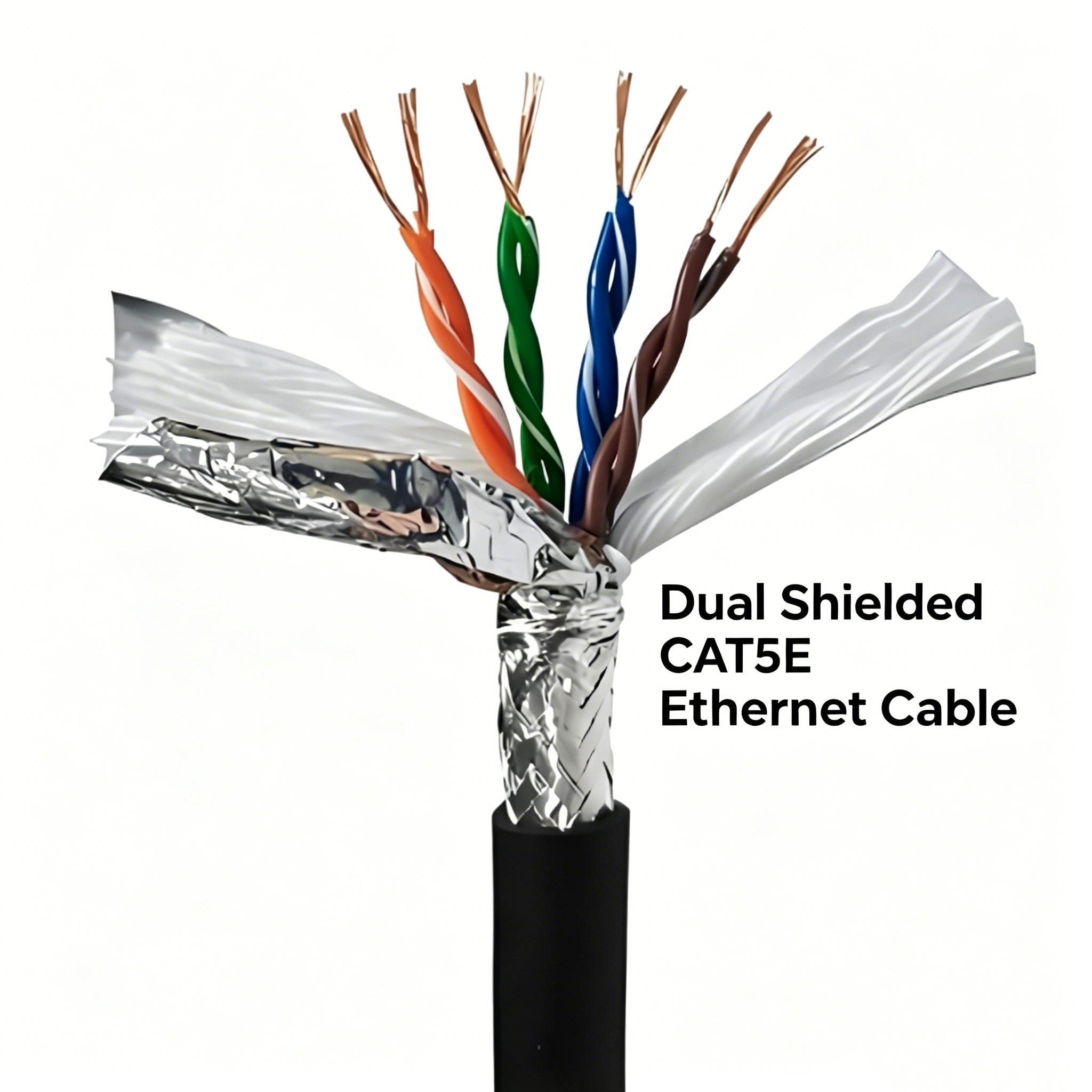
Doppino intrecciato schermato (STP)
Il doppino intrecciato schermato si riferisce all'aggiunta di uno o più strati di schermatura metallica all'interno della guaina isolante. Lo strato di schermatura metallica può ridurre le radiazioni e resistere alle interferenze, non solo schermando i segnali elettromagnetici esterni, ma anche bloccando la dispersione elettromagnetica del cavo stesso. Pertanto, i cavi a doppino intrecciato con strati di schermatura hanno una qualità di trasmissione del segnale più elevata e buone prestazioni di riservatezza. Ma il prezzo dei cavi schermati è relativamente alto e anche il processo di installazione è piuttosto complicato.
La doppia schermatura menzionata in precedenza si riferisce a ciascuna coppia di nuclei di filo avente uno strato di schermatura indipendente e lo strato esterno che condivide uno o più strati di schermatura. Ogni coppia di fili centrali ha uno strato di schermatura in foglio di alluminio per ridurre l'attenuazione del segnale e la diafonia; C'è anche uno strato di schermatura intrecciata metallica sullo strato esterno, che può ridurre l'interferenza di campi magnetici e segnali esterni e anche aumentare la tensione del cavo.
Doppino intrecciato non schermato (UTP)
I cavi a doppino intrecciato non schermati hanno solo uno strato di guaina isolante in gomma avvolta attorno ad essi e nessun materiale schermante metallico. Le caratteristiche sono leggerezza, diametro complessivo del filo ridotto, facilità di piegatura, rete flessibile e prezzo relativamente economico.
In sintesi, maggiore è il livello del cavo di rete, migliore è il materiale utilizzato, maggiore è il diametro del nucleo e maggiori sono i componenti aggiuntivi (strato schermante, scheletro incrociato, ecc.), migliori sono le prestazioni, ma ovviamente più costoso è il prezzo.