

The trend of new energy vehicles replacing traditional fuel vehicles is becoming increasingly evident in China and even around the world, and future fuel vehicles are gradually being phased out. The development of new energy vehicles has an increasing demand for flexible cables.
cavi flessibili are mainly used for power supply and signal transmission of moving parts in new energy vehicles. The core application areas and selection requirements are as follows.
Core application areas:
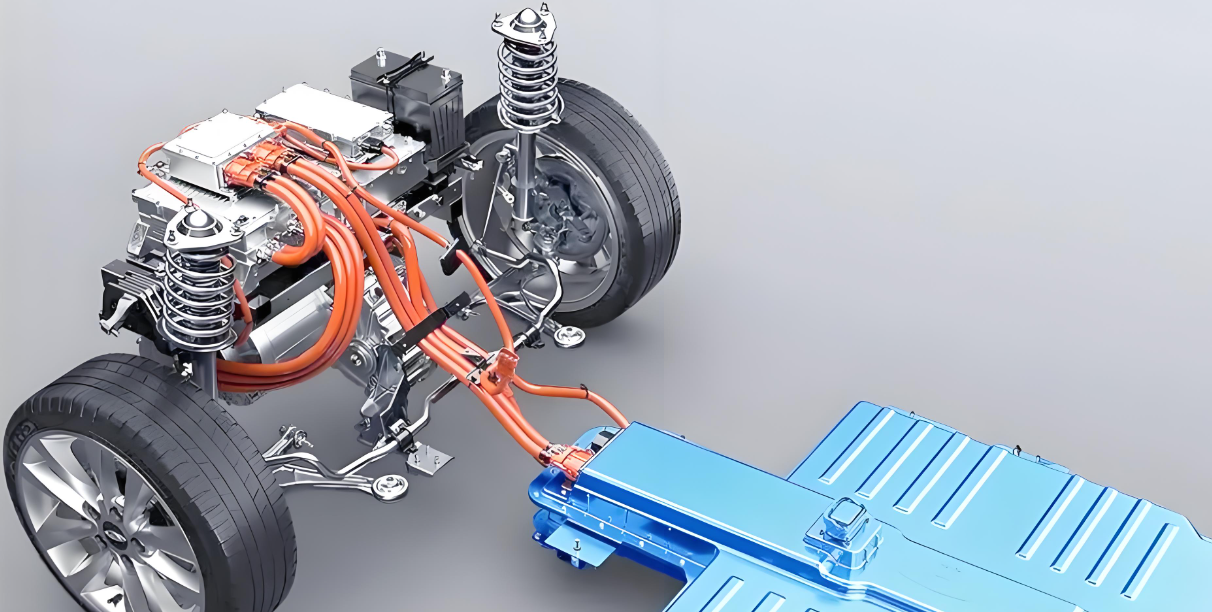
1.Battery pack connecting wire
Filo flessibile used for connecting the internal cells of the battery pack and the connection between the battery pack and the electronic control system. It is required to transmit high currents (such as 50A or above) and adapt to the slight deformation and vibration of the battery pack to ensure stable power supply; Some scenarios require high voltage insulation performance (such as high voltage battery packs).
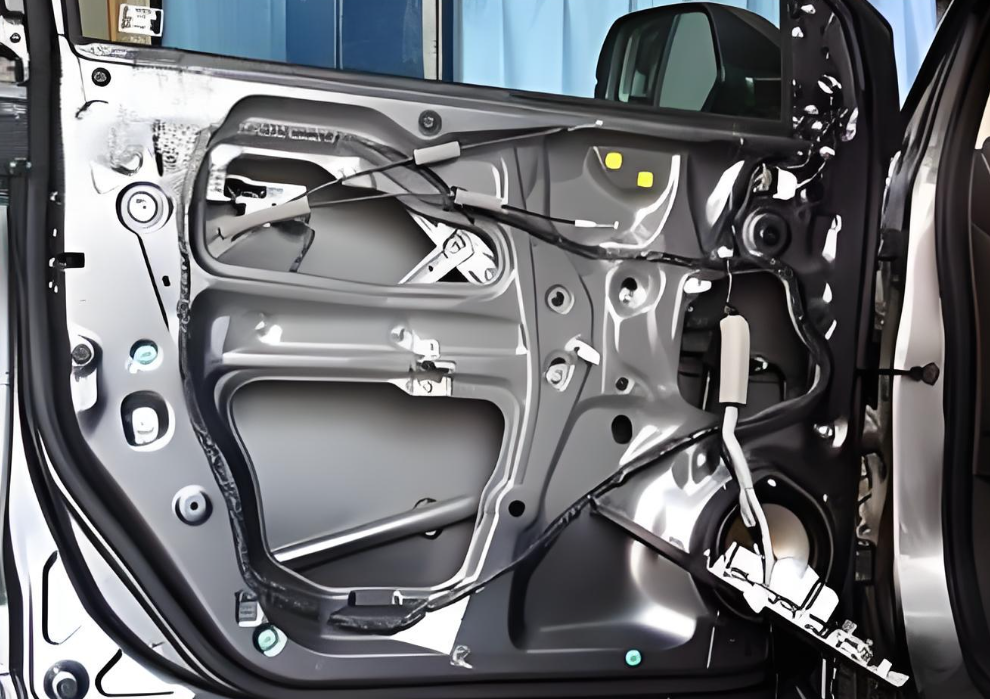
2.Door drive system
Cavo flessibile used for power supply and signal transmission of door glass lifters and door locks, adapted to frequent bending movements of car doors, requiring high flexibility and fatigue resistance to avoid breakage during bending
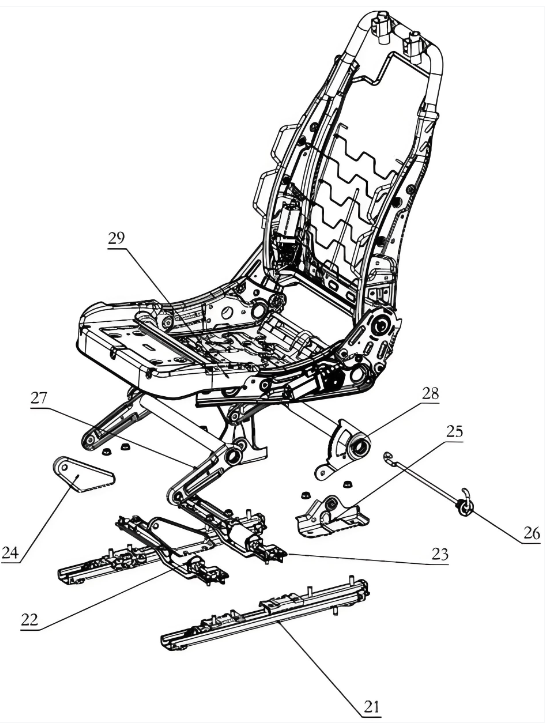
3.Seat adjustment system
The power supply for the front and rear, up and down adjustment motors of electric seats requires filo flessibile that bend and drag with the movement of the seat, and must have wear resistance and tensile resistance. At the same time, it should be small in size and easy to hide and install.
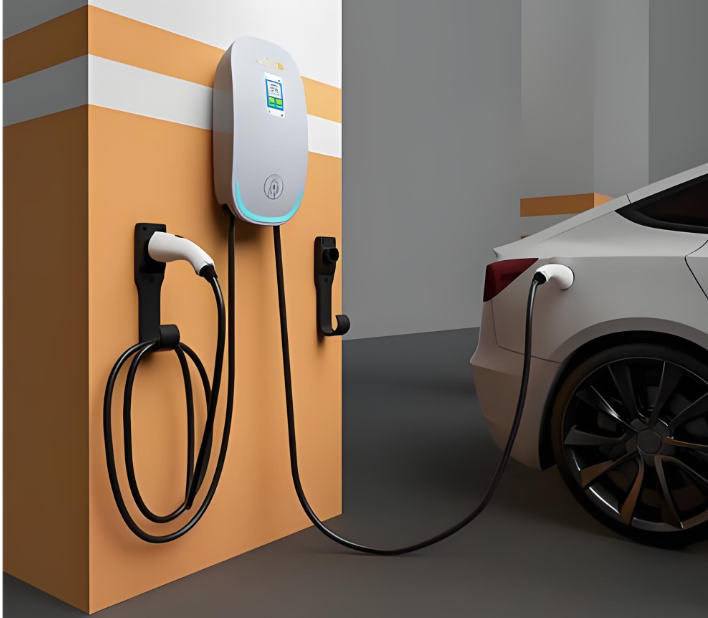
4.Charging system
IL Cavo flessibile (mobile charging cable) used for charging piles and car charging ports needs to have high flexibility, wear resistance, waterproof performance, adapt to frequent plugging and dragging, and transmit high currents (such as 30A or above) to ensure charging safety.
5.Other components
such as the sunroof drive system and trunk opening system, require the use of cavi flessibili with high flexibility to adapt to mobile needs.
Selection requirements:
1.Current carrying capacity: The flexible cavo between the battery pack and the charging system should use large cross-sectional conductors (such as 2.5mm ² or more) to ensure high current transmission and avoid overload heating; The conductor adopts multi stranded oxygen free copper to enhance flexibility and conductivity.
2.Temperature resistance: High temperature resistant materials (such as silicone or polyurethane sheaths with a temperature resistance of 125 ℃) should be selected for filo flessibile around the engine or battery pack to cope with high temperature environments; Select polyurethane sheath with temperature resistance of -40 ℃ to 80 ℃ for conventional parts, suitable for high and low temperature cycling conditions.
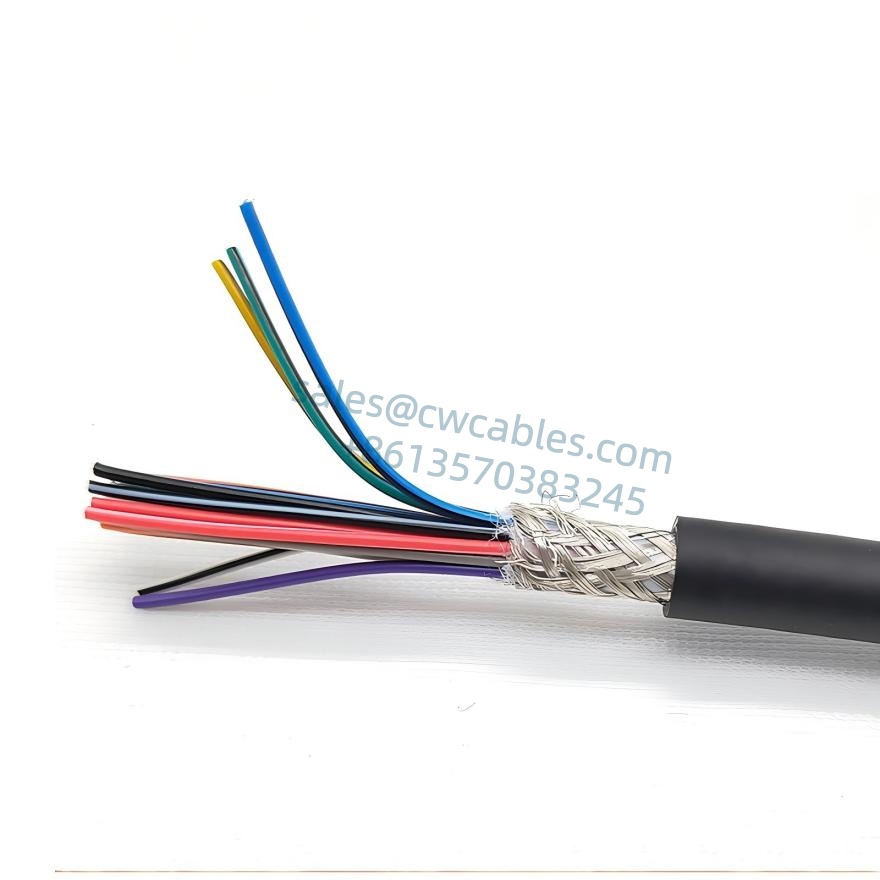
5.Attention: New energy vehicle cables must comply with automotive industry standards (such as ISO 6722) to ensure safety and reliability; During installation, it should be firmly fixed to avoid friction and compression with other components; Regularly inspect the insulation layer and joints of the cavi ad alta flessibilità to ensure no damage or looseness, ensuring safe driving.