

Los cables se rompen cadenas de arrastre principalmente porque el diseño del cable, radio de curvatura, el método de instalación o el diseño de la cadena no coinciden con el funcionamiento de movimiento continuo de la máquina. Las causas comunes incluyen fatiga del conductor, abrasión de la chaqueta, tensión torsional, llenado excesivo, pobre alivio de tensióny utilizar cable flexible estándar en lugar de cable flexible especialmente diseñado para aplicaciones de cadenas de arrastre.
https://www.chengwencable.com/videos/drag-chain-cable-basics
Leyenda: Conceptos básicos de los cables de las cadenas de arrastre: radio de curvatura, selección de cables y prácticas de instalación.
Cómo ocurre la falla del cable de la cadena de arrastre
Una cadena de arrastre protege y guía los cables en movimiento, pero también los obliga a pasar por repetidos ciclos de flexión. Si la construcción del cable no está diseñada para este movimiento, la tensión se concentra dentro del conductor, el aislamiento, el blindaje o la cubierta. Con el tiempo, esto crea intermitencia eléctrica, pérdida de señal, aislamiento agrietado o rotura total del conductor.
El mecanismo de falla técnica más común es fatiga por flexión cíclica. En una cadena de arrastre, el cable se dobla millones de veces en un radio controlado. Si los hilos de cobre son demasiado gruesos, la longitud de tendido es incorrecta o la estructura del núcleo no está equilibrada, los conductores se endurecen y se fracturan.
| Causa de falla | Lo que sucede | Resultado típico |
|---|---|---|
| Radio de curvatura demasiado pequeño | El cable se fuerza más allá de su límite de diseño | Conductores rotos o cubierta agrietada |
| Tipo de cable incorrecto | El cable estándar no puede soportar una flexión continua | Fallo temprano del cable de la cadena de arrastre |
| Cadena sobrecargada | Los cables se frotan, tuercen y comprimen | Desgaste de la chaqueta y acumulación de calor. |
| Pobre alivio de tensión | La fuerza de tracción se transfiere a la sección móvil | Separación del núcleo o falla terminal |
| movimiento torsional | El cable se tuerce al doblarse | Rotura de escudo e inestabilidad de la señal. |
| Abrasión dentro de la cadena | La chaqueta roza contra divisores u otros cables. | Daño de la funda exterior |
Consejo profesional del cable Chengwen: En nuestras pruebas de laboratorio en chengwen cable, descubrimos que la mayoría de las fallas prematuras del cable de la cadena de arrastre no son causadas por un solo defecto. Generalmente vemos una combinación de radio de curvatura de tamaño insuficiente, mala separación de cables y uso de alambre flexible ordinario donde se debería especificar un cable Flex de alto ciclo.
¿Cuáles son los problemas comunes de las cadenas de arrastre?
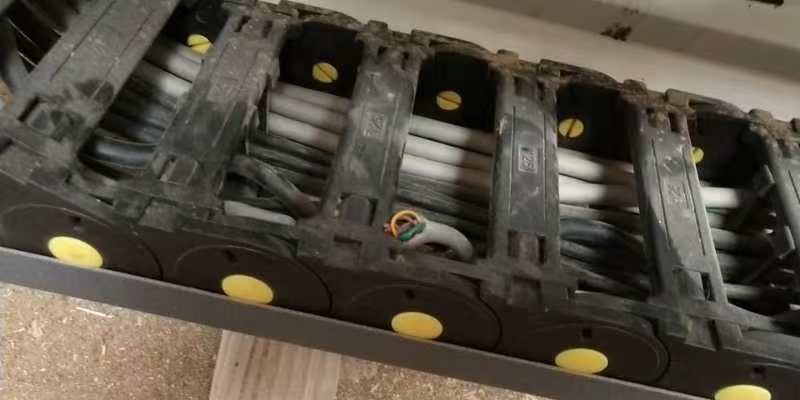
Los problemas comunes de las cadenas de arrastre incluyen rotura de cables, abrasión de la cubierta, hundimiento de la cadena, ruido excesivo, llenado excesivo, separación deficiente de los cables, torsión, desconexión del conector y acumulación de desechos. La mayoría de los problemas provienen de un tamaño incorrecto de la cadena, una selección inadecuada del cable, un radio de curvatura insuficiente o errores de instalación que crean un movimiento incontrolado dentro de la cadena.
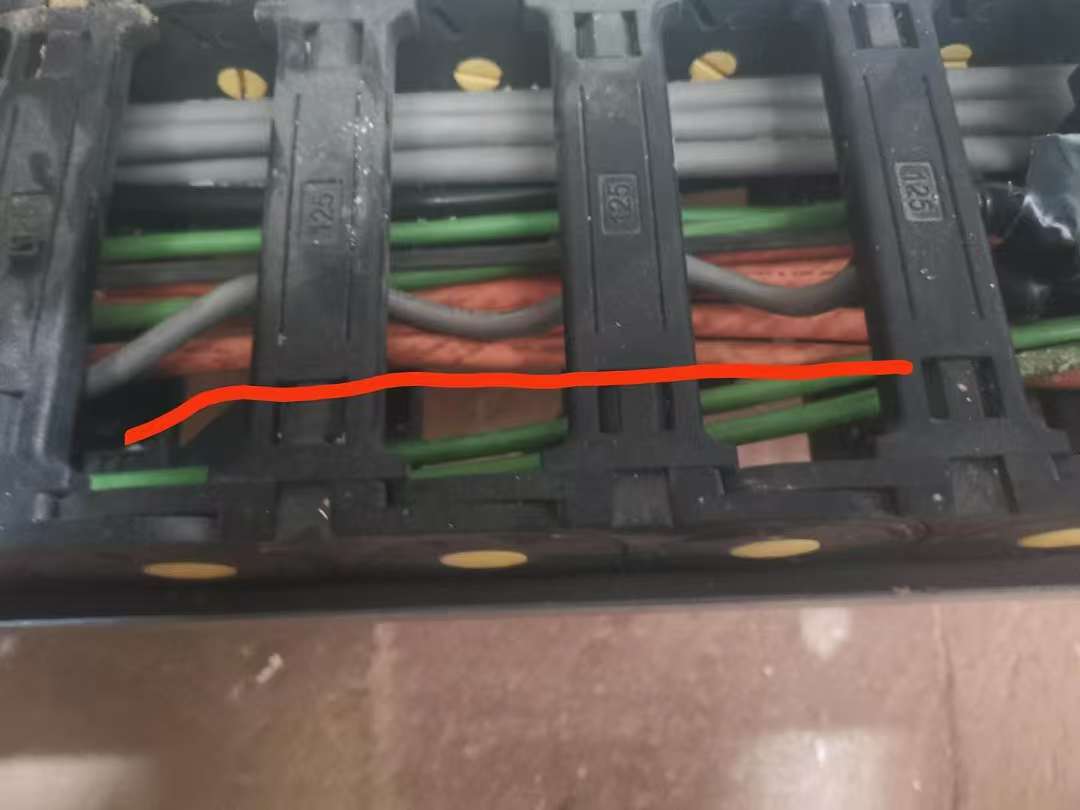
Principales problemas de las cadenas de arrastre y sus causas
Las cadenas de arrastre son sistemas mecánicos simples, pero deben adaptarse cuidadosamente al diámetro del cable, la velocidad de desplazamiento, la aceleración, el entorno y los requisitos del ciclo de flexión.
| Problema | Causa probable | Solución de ingeniería |
|---|---|---|
| Desgaste de la cubierta del cable | Cable rozando contra cadena u otros cables | Utilice separadores y chaqueta resistente a la abrasión. |
| Sierra de cadena | Viaje no admitido demasiado largo | Agregue rodillos de soporte o una cadena más grande |
| torsión de cables | Tendido incorrecto de cables o mala colocación | Utilice cable con clasificación de torsión si es necesario |
| Alto ruido | Problema con la velocidad, el material o la guía de la cadena | Utilice un diseño de cadena silencioso |
| Conductores rotos | Radio de curvatura demasiado ajustado o cable incorrecto | Seleccione cable de cadena de arrastre de alta flexibilidad |
| Fallo del conector | Sin alivio de tensión | Sujete el cable fuera de la zona de curvatura móvil |
Consejo profesional del cable Chengwen: Nuestros técnicos a menudo ven que los problemas de las cadenas de arrastre comienzan como pequeños errores de diseño. Siempre verificamos la relación de llenado, la ubicación del separador, el radio de curvatura y si la longitud del cable en movimiento tiene suficiente libertad para deslizarse sin estirarse ni comprimirse.
¿Cuál es el propósito de una cadena portacables?
La función de una cadena portacables es guiar, proteger y organizar cables y mangueras en movimiento en maquinaria automatizada. Controla la trayectoria de flexión, evita enredos, reduce la abrasión, admite movimientos repetibles y ayuda a prolongar la vida útil cuando se instala el cable de cadena de arrastre correcto.
Por qué las máquinas utilizan cadenas portacables
Una cadena de arrastre crea una trayectoria mecánica controlada para los cables durante el movimiento lineal o robótico. En lugar de dejar que los cables cuelguen libremente, se tuerzan o choquen con las piezas de la máquina, la cadena los mantiene alineados y protegidos.
- Guía de movimiento — mantiene los cables moviéndose en una trayectoria predecible.
- Protección mecánica — protege los cables contra impactos, abrasión y enganches.
- Control de curvatura — mantiene un radio de curvatura mínimo definido.
- organización de cables — separa las líneas de energía, señal, datos, aire y fluidos.
- Acceso de mantenimiento — facilita la sustitución e inspección del cable.
- Mejora de la vida útil — reduce el estrés aleatorio cuando se diseña correctamente.
Consejo profesional del cable Chengwen: Nuestros técnicos suelen ver que los clientes tratan la cadena de arrastre sólo como un soporte para cables. Lo vemos como un componente de control de movimiento. La cadena, el cable, el radio de curvatura y el alivio de tensión deben diseñarse juntos para evitar fallas prematuras.
¿Son los cables más difíciles de cortar que las cadenas?
Los cables suelen ser más fáciles de cortar que las cadenas de metal, pero la respuesta depende del material, el diámetro, la construcción y el tipo de herramienta. Las cadenas de acero resisten el corte de eslabones endurecidos, mientras que los cables pueden contener cobre, aluminio, refuerzo de acero, trenza, blindaje o armadura que cambia la dificultad de corte.
Resistencia al corte de cable versus cadena
Desde una perspectiva de ingeniería, “más difícil de cortar” depende de si comparamos cable eléctrico, cuerda de alambre de acero, cable trenzado o cadena mecánica.
| Artículo | Material típico | Dificultad de corte | Factor de resistencia principal |
|---|---|---|---|
| Cable eléctrico estándar | Chaqueta de cobre + polímero. | Bajo a medio | Tamaño del conductor y espesor de la cubierta. |
| Cable flexible blindado | Cobre + trenza/lámina + chaqueta | Medio | Escudo y estructura multinúcleo. |
| Cable blindado | Armadura metálica + conductores. | Alto | Armadura de acero o aluminio. |
| Cable de acero | Hilos de acero agrupados | Alto | Dureza y diámetro del hilo |
| Cadena endurecida | Eslabones de acero tratado térmicamente | muy alto | Dureza y geometría del enlace. |
Consejo profesional del cable Chengwen: Nuestros técnicos ven a menudo confusión entre cables eléctricos y cadenas mecánicas. Recordamos a los clientes que los cables de las cadenas de arrastre están diseñados para mejorar la vida útil y la integridad de la señal, no para garantizar la seguridad contra cortes. Si se requiere resistencia al corte, recomendamos analizar el material del revestimiento, la armadura o el conducto protector.
¿Cuáles son las desventajas del cable trenzado?
El cable trenzado ofrece excelente blindaje y resistencia mecánica, pero puede aumentar la rigidez, el diámetro, el peso y el costo. En las cadenas de arrastre, una trenza mal diseñada puede fatigarse, abrirse o romperse al doblarse repetidamente, especialmente si el ángulo de la trenza y la cobertura del escudo no están optimizados para una flexión continua.
Ventajas y compensaciones del cable trenzado
El blindaje trenzado es común en cables de servo, codificador, datos y control porque proporciona una fuerte interferencia electromagnética protección. Sin embargo, no todas las trenzas son adecuadas para movimientos de ciclo alto.
| Factor | Beneficio | Posible desventaja |
|---|---|---|
| Blindaje EMI | Reduce el ruido eléctrico. | Agrega rigidez |
| Cobertura mecánica | Protege los núcleos internos | Aumenta el diámetro del cable. |
| Trenza de cobre | Buena conductividad | Puede fatigarse en curvas cerradas |
| Alta densidad de escudo | Mejor protección | Menos flexibilidad |
| Armadura trenzada | Mayor protección física | Más pesado y más difícil de enrutar |
Para el uso de cadenas de arrastre, la trenza debe diseñarse teniendo en cuenta la flexión. Un cable trenzado para instalación estática puede pasar una prueba eléctrica cuando es nuevo, pero falla después de movimientos repetidos.
Consejo profesional del cable Chengwen: Nuestros técnicos a menudo ven que los clientes eligen la cobertura de trenza más alta sin considerar la flexibilidad. Preferimos un diseño equilibrado: suficiente blindaje para proteger la señal, pero con geometría trenzada y materiales adecuados para la flexión continua en una cadena de arrastre.
¿Qué causa que fallen los cables en las cadenas de arrastre?
Los cables fallan en las cadenas de arrastre cuando la tensión mecánica excede el diseño de vida flexible del cable. Las causas principales son radio de curvatura estrecho, relleno excesivo de la cadena, construcción incorrecta del cable, abrasión de la cubierta, torsión, alta aceleración, alivio de tensión deficiente y uso de cable estándar en lugar de cable de cadena de arrastre de alta flexibilidad.
Causas fundamentales de la falla del cable de la cadena de arrastre
El cable de una cadena de arrastre debe resistir repetidas flexiones, deslizamientos y, a veces, golpes de aceleración. Las fallas a menudo se desarrollan gradualmente antes de que la máquina finalmente se detenga.
- Fatiga del conductor — Los hilos de cobre se rompen después de doblarlos repetidamente.
- Grietas en el aislamiento — los materiales internos se separan por compresión y tensión.
- Daño del escudo — la trenza o la lámina se rompe, provocando ruido y errores de señal.
- Abrasión de la chaqueta — la funda exterior se desgasta contra la cadena u otros cables.
- sacacorchos de núcleo — torceduras de cables debido a una construcción desequilibrada.
- Tensión del conector — el movimiento del cable tira directamente de los terminales.
- Acumulación térmica — Las cadenas demasiado llenas atrapan el calor y aceleran el envejecimiento.
| Síntoma | Posible causa |
|---|---|
| señal intermitente | Conductor roto o blindaje dañado |
| Grietas visibles en la chaqueta | Radio de curvatura demasiado pequeño |
| El cable se tuerce dentro de la cadena. | Construcción de cable incorrecta |
| Funda exterior gastada plana | Abrasión o mala separación |
| El conector se afloja | Sin alivio de tensión |
Consejo profesional del cable Chengwen: Nuestros técnicos a menudo ven que los clientes reemplazan un cable defectuoso con el mismo modelo y esperan un resultado diferente. Siempre investigamos el diseño de la cadena, el radio de curvatura, la velocidad de desplazamiento, la relación de llenado y la construcción del cable antes de recomendar un cable Flex de reemplazo.
¿Ofrecen precios al por mayor de cables de cadena de arrastre?
Sí, chengwen cable admite precios mayoristas de cables de cadena de arrastre para distribuidores, fabricantes de equipos originales, fabricantes de máquinas e integradores de automatización. El precio depende del tipo de cable, tamaño del conductor, número de núcleos, blindaje, material de la cubierta, necesidades de certificación, cantidad del pedido, requisitos de personalización y cronograma de entrega.
Cómo se calcula normalmente el precio al por mayor de los cables de cadena de arrastre
Para proyectos mayoristas u OEM, evaluamos tanto las especificaciones eléctricas como los requisitos de movimiento mecánico. Esto nos ayuda a cotizar un cable que se ajuste a la máquina en lugar de solo coincidir con un número de pieza.
| Factor de precio | Por qué es importante |
|---|---|
| Número de núcleos y tamaño del conductor. | Determina el uso de cobre y el diámetro del cable. |
| Tipo de blindaje | Afecta el rendimiento de EMI y el costo del material. |
| Material de la chaqueta | Afecta la resistencia al aceite, la resistencia a la abrasión y la flexibilidad. |
| Requisito de vida flexible | Las clasificaciones de ciclo más altas requieren una construcción avanzada |
| Certificaciones | UL, CE, RoHS, o los estándares personalizados pueden afectar el costo |
| Cantidad de pedido | Un mayor volumen generalmente mejora el precio unitario |
| Impresión personalizada o color | Agrega requisitos de producción y configuración. |
Para obtener precios mayoristas precisos, recomendamos compartir el dibujo del cable, la velocidad de la aplicación, el radio de curvatura, la longitud del recorrido de la cadena, el entorno operativo y la demanda anual.
Consejo profesional del cable Chengwen: Nuestros técnicos a menudo ven a compradores mayoristas comparar el cable de la cadena de arrastre solo por el tamaño del conductor. Recomendamos comparar también la clasificación de flexión, el compuesto de la cubierta, el diseño del blindaje y el radio de curvatura mínimo, porque el cable más barato puede resultar caro si falla antes de tiempo.
La construcción correcta del cable, la disposición adecuada de la cadena de arrastre y el radio de curvatura controlado son las claves para evitar fallas en el cable de la cadena de arrastre.