

When automated machinery, robotics, and moving equipment require reliable power and data transmission, standard cables quickly fail due to mechanical stress. The solution lies in specialized cables engineered specifically to withstand millions of bending cycles without degrading signal integrity or structural safety. Understanding the construction and application of these resilient cables is crucial for minimizing downtime and maximizing operational efficiency in dynamic industrial environments.
What is flex cable,high flex cable?
A flex cable, or high flex cable, is a specialized electrical cable designed to endure continuous bending, twisting, and mechanical stress in dynamic applications. Unlike standard static cables, they utilize finely stranded copper conductors and specialized jacketing materials to maintain conductivity and structural integrity over millions of flex cycles.
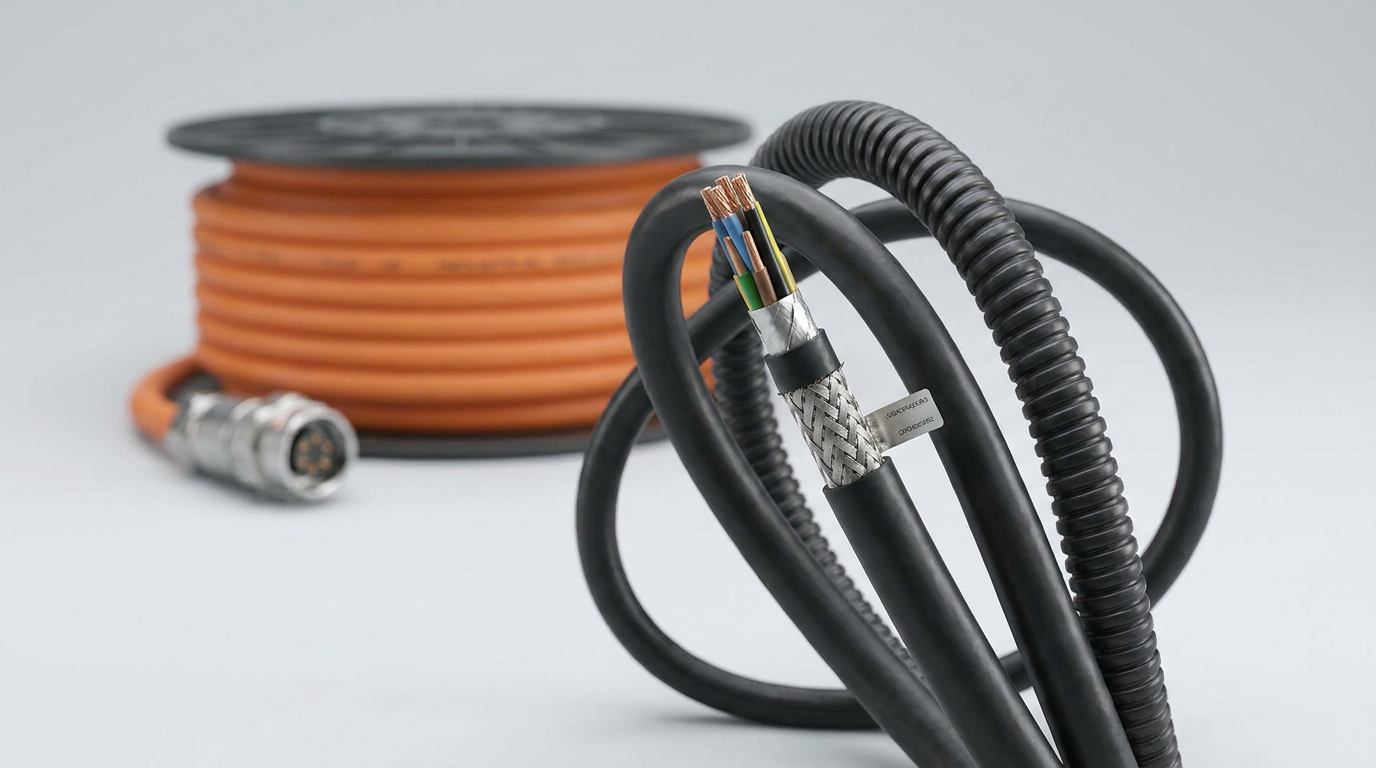
Core Construction and Materials
Standard cables are built for stationary installation, but high flex cables are constructed from the inside out for motion. They typically feature ultra-fine stranded copper wires, specialized PTFE o PUR insulation, and a core design optimized for either torsional (twisting) or linear (bending) movement.
- Conductores: Ultra-fine stranding (Class 6) for maximum flexibility and fatigue resistance.
- Aislamiento: Low-friction materials to prevent internal heat buildup during rapid movement.
- Blindaje: Braided copper optimized for continuous movement rather than static foil.
- Chaqueta exterior: PUR, TPE, o CLORURO DE POLIVINILO selected for extreme abrasion and oil resistance.
Consejo profesional de cwcables: Always check the bend radius specifications before installation. Forcing a high flex cable into a bend radius tighter than its rating will drastically reduce its operational lifespan, regardless of its superior manufacturing quality.
How Does flex cable,high flex cable Work?
High flex cables work by distributing mechanical stress evenly across their internal components during movement. They utilize low-friction insulation and specialized stranding techniques, such as bunching or concentric layering, to allow internal wires to glide past one another smoothly, preventing friction, heat buildup, and eventual copper breakage.
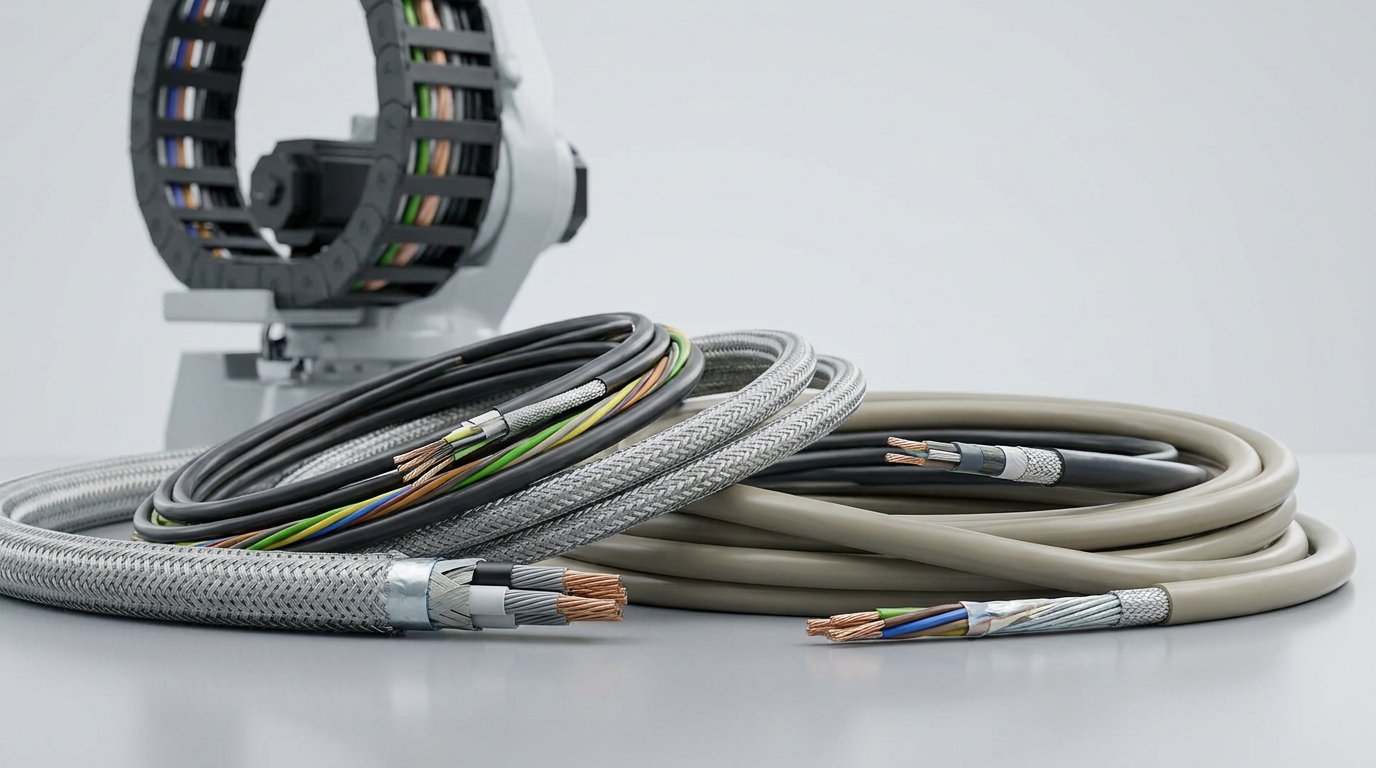
Mechanical Stress Mitigation
The secret to a continuous flex cable’s longevity lies in its ability to manage kinetic energy. As the cable bends in a cadena de arrastre or robotic arm, the inner radius compresses while the outer radius stretches. Specialized engineering ensures this stress does not destroy the core.
Según nuestros datos internos y análisis de mercado, aquí está el desglose:
| Stress Type | Standard Cable Reaction | High Flex Cable Solution |
|---|---|---|
| Bending | Core deformation and wire snapping | Short pitch layering allows wires to shift safely |
| Torsión | Shielding tears and insulation rupture | PTFE wraps and specialized braided shields |
| Friction | Internal heat buildup and melting | Low-friction core wraps and internal lubricants |
| Abrasión | Outer jacket wears through quickly | Extruded PUR or TPE high-durability jackets |
Consejo profesional de cwcables: When routing cables in a C-track or drag chain, ensure they are laid flat and never twisted. Cables must have room to move freely; packing them too tightly restricts their designed internal gliding mechanism.
What are the benefits of flex cable,high flex cable?
The primary benefits of high flex cables include drastically reduced equipment downtime, extended operational lifespan, and superior resistance to harsh industrial environments. They ensure uninterrupted power and data transmission in moving machinery, ultimately lowering long-term maintenance costs and preventing catastrophic system failures during critical operations.
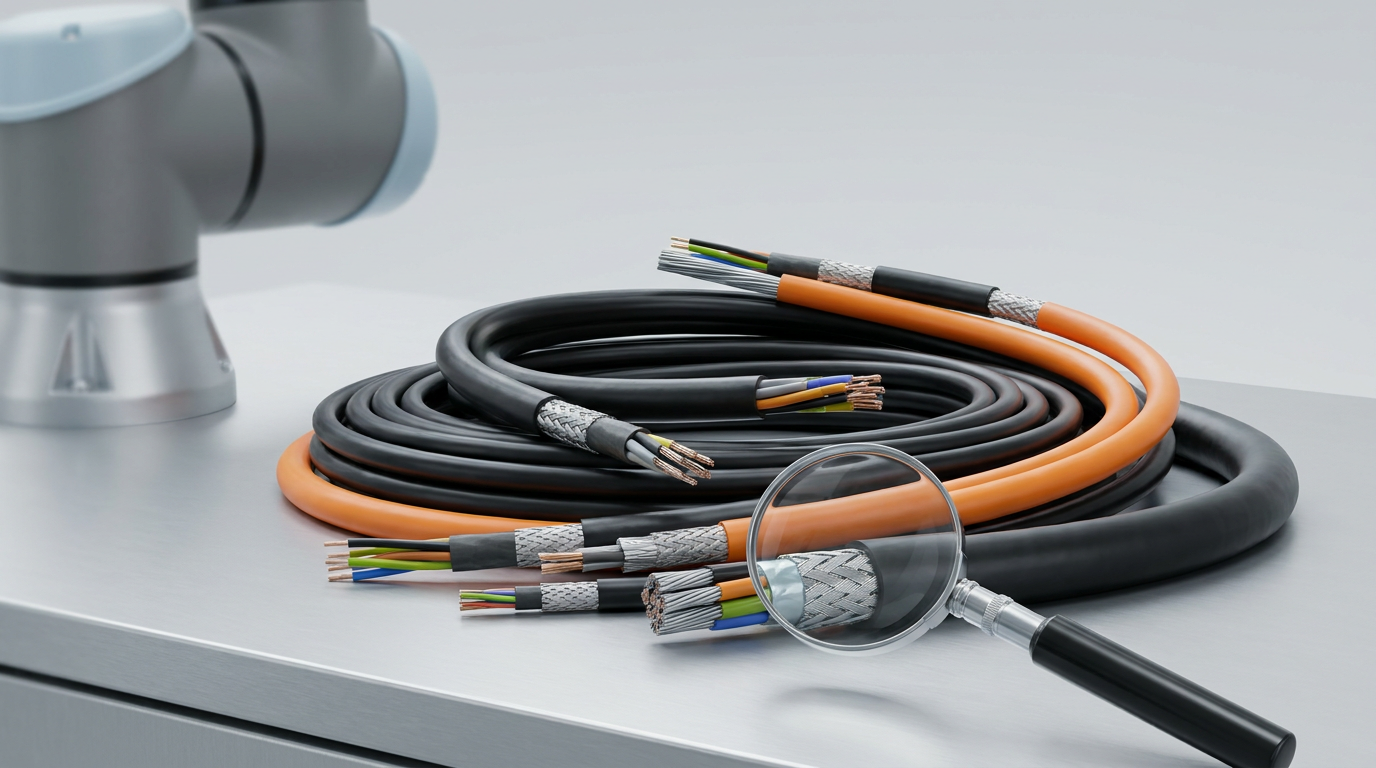
Operational Advantages in Automation
Investing in purpose-built flexible cabling yields significant returns in automated environments. Standard cables in continuous motion applications will “corkscrew” or break, leading to unpredictable halts in production and expensive emergency repairs.
- Extended Cycle Life: Capable of withstanding 5 to 20 million flex cycles without failure.
- Space Efficiency: Tighter permissible bend radii allow for more compact and efficient machinery design.
- Environmental Resilience: High resistance to industrial oils, cutting fluids, chemicals, UV light, and extreme temperatures.
- Integridad de la señal: Specialized shielding maintains EMI/RFI protection even while the cable is in constant, rapid motion.
Consejo profesional de cwcables: Don’t just look at the upfront cost. Calculate the Total Cost of Ownership (TCO). The cost of one hour of machine downtime due to a cheap cable failing usually far exceeds the price of premium high flex cabling.
How to maintain a flex cable,high flex cable?
Maintaining high flex cables involves regular visual inspections for jacket abrasion, monitoring for “corkscrewing” or deformation, and ensuring the cable track remains free of debris. Proper initial installation, including respecting the minimum bend radius and avoiding overtensioning, is the most critical factor in long-term maintenance.
Preventative Maintenance Strategies
While high flex cables are built for exceptional durability, they are not indestructible. Proactive maintenance ensures they reach their maximum rated cycle life. Most cable failures are actually installation or track-maintenance failures rather than inherent cable defects.
- Clear the Pathway: Regularly clean drag chains to remove metal shavings, dirt, or chemicals that could physically degrade the cable jacket.
- Check Tension: Ensure cables are clamped securely at both ends but have adequate slack in the moving loop to prevent stretching.
- Monitor Separation: Verify that dividers in the cable carrier are intact so cables do not cross over and abrade each other.
- Visual Audits: Look for jacket swelling, cracking, or localized hot spots which indicate dangerous internal friction.
Consejo profesional de cwcables: Replace cables at 80% of their rated cycle life during scheduled maintenance rather than waiting for them to fail during a production run. Predictive replacement is always cheaper than reactive repair.
What is the price of flex cable,high flex cable?
The price of high flex cables varies significantly based on conductor count, shielding, jacket material, and cycle rating, typically ranging from $1.50 to over $15.00 per foot. Custom robotic cables or those requiring specialized certifications will naturally fall on the higher end of the pricing spectrum.
Pricing Variables and Specifications
Cost is directly proportional to the engineering complexity required to meet your specific application’s demands. Torsional cables for 6-axis robots are more expensive than linear drag chain cables due to the complex internal slip layers required to handle 360-degree twisting.
Según nuestros datos internos y análisis de mercado, aquí está el desglose:
| Tipo de cable | Estimated Price Range (per foot) | Mejor aplicación |
|---|---|---|
| Basic Continuous Flex (PVC) | $1.50 – $4.00 | Light-duty drag chains, moderate cycles |
| High Flex Control (PUR) | $4.00 – $8.00 | Heavy industrial, oily environments |
| High Flex Servo/Motor | $6.00 – $12.00 | maquinas cnc, high-power automation |
| Robotic Torsional Cable | $10.00 – $20.00+ | 6-axis robotics, 360-degree twisting |
Consejo profesional de cwcables: Never use price as the sole determining factor. A cheaper PVC flex cable might save money initially, but if your application involves cutting fluids or extreme cold, you need a PUR or TPE jacket to prevent premature cracking.
Características clave y comparación
Selecting the right cable means understanding the difference between standard flexible cables (designed for easy routing) and true continuous high flex cables (designed for relentless motion).
Según nuestros datos internos y análisis de mercado, aquí está el desglose:
| Característica | Cable flexible estándar | High Flex Cable (Continuous) |
|---|---|---|
| Trenzado de conductores | Class 5 (Fine) | Class 6 (Ultra-fine) |
| Motion Type | Occasional flexing / static | Continuous linear or torsional motion |
| Ciclo de vida | < 1 Million cycles | 5 to 20+ Million cycles |
| Blindaje | Foil or standard braid | Optimized spiral or high-coverage braid |
| Chaqueta exterior | PVC estándar | PUR, TPE, or specialized PVC |
Costo y factores de compra
When purchasing flex cable, high flex cable, several critical factors influence both the initial cost and the long-term viability of your investment. Understanding these elements ensures you specify the correct cable without over-engineering or under-protecting your system.
- Motion Profile: Determine if your application requires continuous linear motion (drag chains) or torsional motion (robotic arms). Torsional cables require specialized PTFE slip layers, increasing the cost.
- Bend Radius Requirements: Tighter spaces require cables with smaller minimum bend radii. Cables engineered for extremely tight bends use more expensive, ultra-fine stranded copper.
- Environmental Exposures: If the cable will be exposed to weld slag, cutting oils, or extreme temperatures, upgrading from a PVC jacket to a Polyurethane (PUR) jacket is necessary, which typically adds 20-30% to the cost.
- Electrical Requirements: The need for integrated data pairs alongside power conductors (hybrid cables) or specialized EMI/RFI shielding will increase the per-foot price but can save valuable space and installation time.
Conclusión
In continuous flexing applications, standard cables are a liability that will inevitably lead to mechanical failure and costly downtime. By integrating purpose-built flex cable, high flex cable solutions into your automated machinery, robotics, and drag chains, you ensure reliable power and data transmission over millions of motion cycles. Proper specification—taking into account bend radius, motion type, and environmental hazards—is the key to maximizing operational efficiency.
Ready to optimize your automated systems with cables engineered for relentless motion? Explore the comprehensive range of high-performance solutions at cwcables today, and let our experts help you select the perfect cable for your most demanding dynamic applications.