

Los cables Ethernet industriales son la columna vertebral de los sistemas modernos de automatización, control y comunicación de datos en fábricas, centros de transporte y otros entornos industriales. A diferencia de los cables Ethernet normales, estos cables de calidad industrial están diseñados para soportar condiciones adversas como temperaturas extremas, humedad, vibraciones, flexiones hacia adelante y hacia atrás, interferencias electromagnéticas y exposición química, al tiempo que brindan una transmisión de datos confiable y de alta velocidad.
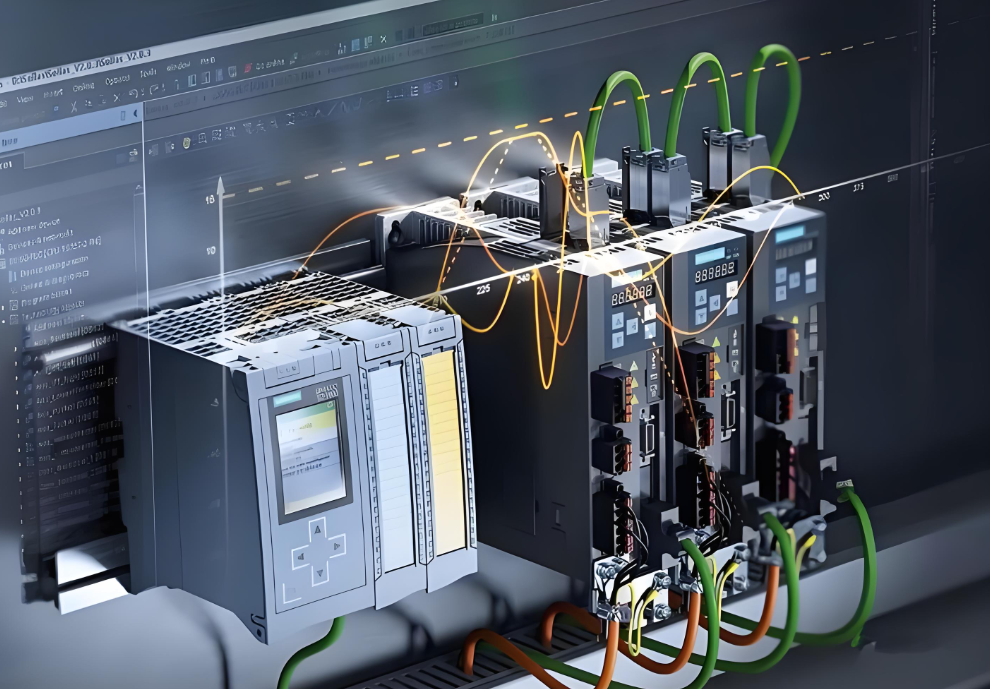
1. ¿Qué es? cable ethernet industrial?
Cable Ethernet industrial es una versión reforzada del cable Ethernet estándar diseñada para manejar la comunicación de tareas críticas en entornos hostiles. Proporcionan conexiones confiables para sistemas PLC, sensores, robots, sistemas SCADA y equipos de redes industriales.
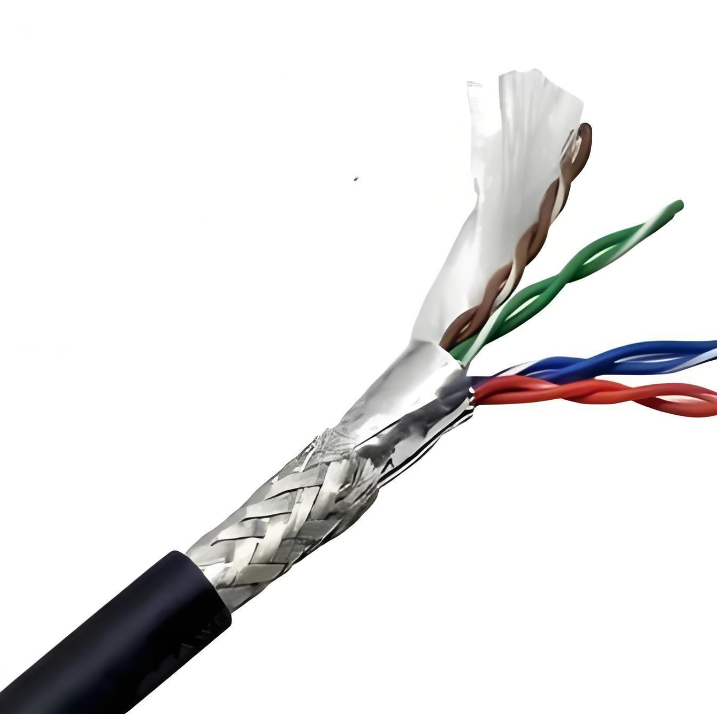
A diferencia de los cables de oficina, Cable Ethernet flexible industrial proporcionar: blindaje mejorado para evitar interferencias; Funda exterior duradera resistente al aceite, la radiación ultravioleta y sustancias químicas; Flexibilidad en aplicaciones de movimientos repetitivos; Cumple con estrictos estándares para la automatización industrial.
2. Principales características de Cable Ethernet industrial flexible
Antes de elegir el adecuado cable ethernet flexible, es importante comprender las cinco características que distinguen los cables industriales de los cables estándar. En primer lugar, existen opciones de blindaje, que incluyen blindaje de papel de aluminio, blindaje trenzado o blindaje dual, para evitar EMI/RFI. La segunda característica clave es el material de la funda, incluido PVC, Cable Ethernet PURy otras fundas especializadas que son resistentes al aceite, a los rayos UV o a los productos químicos. El tercero es la flexibilidad de los cables. cables Ethernet de alta flexibilidad utilizado para robots y dispositivos móviles. La cuarta característica a tener en cuenta es la clasificación de temperatura, que se refiere al funcionamiento en ambientes extremadamente cálidos o fríos. El quinto es la protección de la entrada, incluida la prevención del polvo y la humedad.
3. Tipos comunes de cables Ethernet industriales
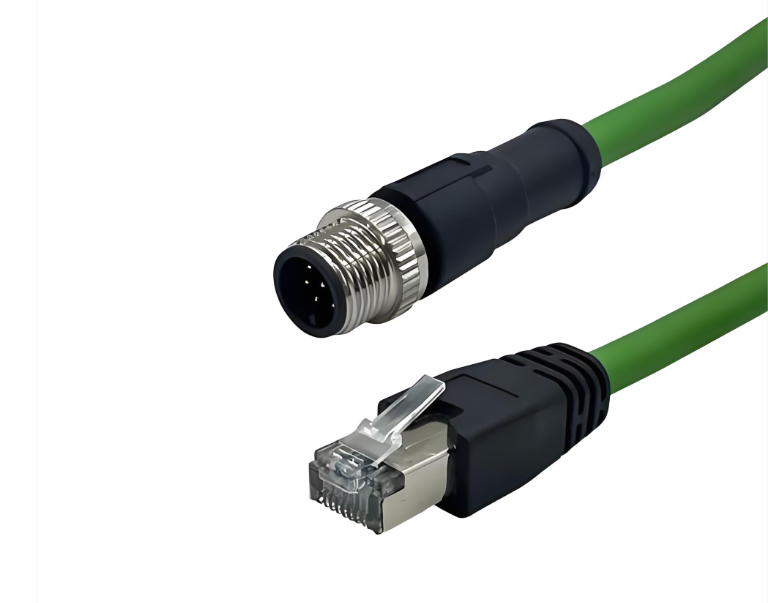
Existen varios tipos diferentes de cables Ethernet industriales, cada uno diseñado para una aplicación específica. Los cables Ethernet industriales estándar son los más comunes, incluidos diseños de par trenzado basados en cobre, como cable ethernet cat5e, y cable ethernet cat6a. Estos cables se utilizan ampliamente en controladores lógicos programables (PLC), interfaces hombre-máquina (HMI) e interruptores industriales, proporcionando conexiones confiables para las necesidades diarias de automatización.
Para entornos más hostiles, resistente y duradero. Cables Ethernet PUR se puede utilizar. Estos tienen fundas reforzadas y blindaje adicional para soportar condiciones duras. Son especialmente adecuados para instalaciones en exteriores y entornos con aceite, productos químicos u otras sustancias corrosivas presentes.
En aplicaciones donde las máquinas están en constante movimiento, son flexibles o continuas cables ethernet en movimiento son una mejor opción. Estos Cables Ethernet de alta flexibilidad específicos para cadenas de arrastre están diseñados específicamente para robots y otros equipos de movimiento intensivo, utilizando una gran cantidad de hilos y fundas flexibles como elastómeros termoplásticos (PUR) para garantizar durabilidad y una larga vida útil.
Finalmente, para uso en exteriores y aquellos con requisitos de resistencia a los rayos UV, especializados cable ethernet exterior Se debe seleccionar un lugar que pueda resistir la exposición a la luz solar y la humedad. Muchos de estos diseños utilizan un núcleo de relleno de gel, que proporciona un efecto eficaz de bloqueo del agua, lo que los convierte en una opción poderosa para la confiabilidad a largo plazo en ambientes exteriores.
4. Selección de aplicaciones de cables Ethernet industriales en diferentes escenarios.
● Escenario: PLC/IO normal → Categoría: cat5e → Blindaje: FTP → Funda: PVC → Conector: RJ45
● Escenario: Servo/Profinet RT → Categoría: cable ethernet cat 6e → Blindaje: SF/FTP → Funda: PVC/PUR → Conector: RJ45/M12
● Escenario: Robot/Cadena de remolque → Categoría: Cat6/Cat6a → Blindaje: SF/FTP → Funda: PUR Cable Ethernet de Alta Flexibilidad → Conector: M12
● Escenario: Visual/10G/Larga distancia → Categoría: cable ethernet cat7 → Blindaje: PiMF/SF/FTP → Funda: PUR → Conector: M12/RJ45
● Escenario: Fuerte interferencia cerca del convertidor de frecuencia → Categoría: Cat6 → Blindaje: Doble blindaje/Armadura → Funda: PUR → Conector: Tipo blindaje metálico
5.Problemas comunes al seleccionar un cable Ethernet industrial
Pregunta 1: ¿Puedo utilizar un cable Ethernet normal en un entorno industrial?
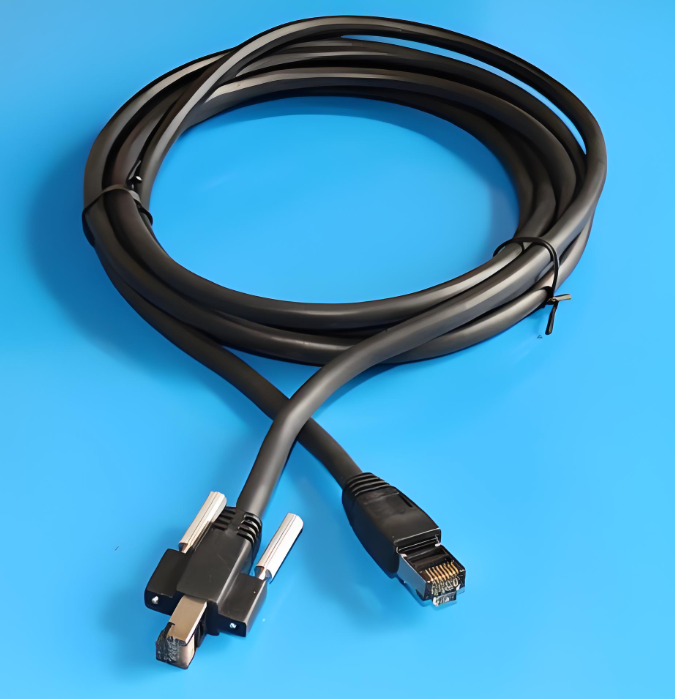
Respuesta: No, los cables de red comunes no están diseñados para entornos hostiles y pueden fallar rápidamente debido a la exposición física o química. Según los diferentes entornos, Cables Ethernet flexibles o de alta flexibilidad., Cables Ethernet de cadena de arrastre de PVC, o Cables Ethernet de cadena portacables PUR debe ser seleccionado
Pregunta 2: ¿Cómo sé si necesito un cable Ethernet blindado?
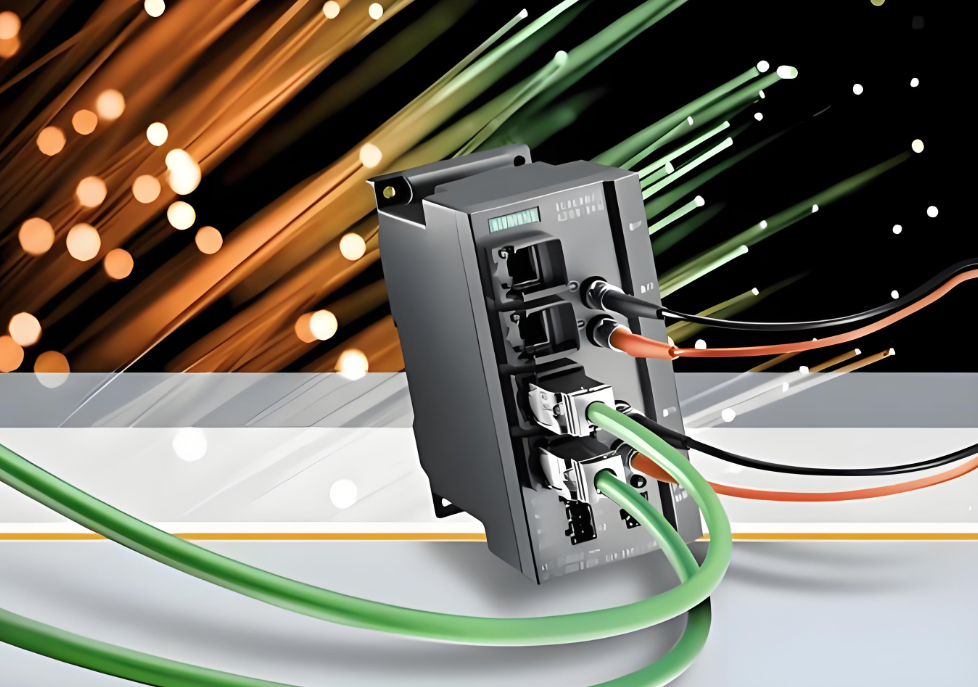
Respuesta: Si su instalación está cerca de maquinaria pesada, motores o paneles de distribución, le recomendamos que elija cables Ethernet blindados para evitar interferencias de datos.
Pregunta 3: ¿Qué PVC/TPE/Cable Ethernet revestido de PUR ¿Es más adecuado para uso en exteriores?
Respuesta: Los cables Ethernet de PVC no son adecuados para cable ethernet al aire libre porque no pueden resistir los rayos ultravioleta. El TPE tiene una mejor resistencia a la temperatura, mientras que los cables Ethernet PUR funcionan bien en resistencia química y resistencia al desgaste. Elija en función de los principales peligros del medio ambiente.
Pregunta 4: ¿Cuál es la vida útil de los cables Ethernet industriales?
Respuesta: La vida útil de Ethernet industrial depende del entorno de uso. Cables Ethernet utilizados para cadenas de arrastre. Tienen una vida útil de 5 a 10 millones de veces de flexión hacia adelante y hacia atrás. Con una instalación y un mantenimiento adecuados, estos cables se pueden utilizar durante 10 a 15 años incluso en condiciones adversas.
6.Finalmente, déjame resumir
Elegir el cable Ethernet industrial adecuado es crucial para garantizar una comunicación confiable en entornos hostiles. Desde Cat5e para automatización estándar hasta Cat6a para aplicaciones con uso intensivo de datos de alta velocidad, la selección correcta de cables Ethernet puede mejorar el rendimiento del sistema, reducir el tiempo de inactividad y extender la vida útil del equipo.
Ya sea que necesite cables de alta flexibilidad para robots o cables Ethernet resistentes a los rayos UV y a los productos químicos para exteriores, podemos proporcionarle una solución integral de conectividad Ethernet.