

En el mundo del cableado Ethernet, a menudo luchamos con indicadores de rendimiento de transmisión, como si la velocidad de la red es “gigabit” o “diez gigabit”, pero pasamos por alto una pregunta clave: ¿puede su cable Ethernet realmente soportar el entorno del sitio? Especialmente en escenarios como la automatización industrial y los dispositivos móviles, el material de la cubierta exterior del cable Ethernet determina directamente su vida útil y la estabilidad del sistema. Hoy, hablemos de dos materiales principales: cable de red de PVC y Cable de red PUR, para ayudarte a aclarar tus pensamientos y elegir el correcto o no.
1. Dos materiales, dos “orígenes”
En primer lugar, entendámoslos fundamentalmente:
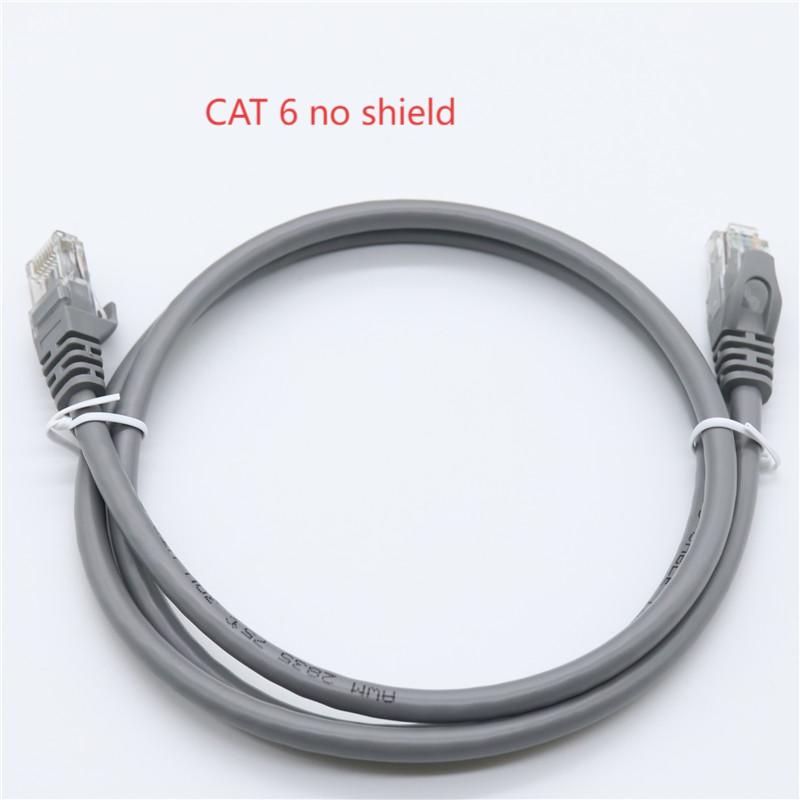
Cable Ethernet de PVC (cloruro de polivinilo): también conocido como cable Ethernet ordinario. También es el cable Ethernet más utilizado, que es el pilar absoluto del cableado civil y comercial. Es asequible, de rendimiento estable y adecuado para la gran mayoría de escenarios fijos y no móviles.
Cable Ethernet PUR (poliuretano): un “jugador incondicional” de grado industrial. No es una versión mejorada de los cables Ethernet comunes, sino un cable especial diseñado para condiciones de trabajo duras y movimientos frecuentes, con un costo mayor pero un rendimiento físico muy superior al del PVC. Con el rápido desarrollo de la Industria 4.0, los requisitos para cable ethernet flexible e incluso todos los cables son cada vez más altos. Los cables Ethernet de PVC comunes ya no pueden cumplir con algunos escenarios de aplicación nuevos.
La principal diferencia entre los dos no radica en la velocidad de transmisión, sino en las características físicas de la funda exterior.
2.Comparación del rendimiento central entre Cable Ethernet PUR y cable Ethernet de PVC
| Dimensión de comparación | Cable Ethernet de PVC | Cable Ethernet PUR |
|---|---|---|
| Flexibilidad y resistencia a la flexión | Promedio. Propenso a agrietarse y romperse del conductor bajo flexión repetida; No apto para cadenas de arrastre o equipos en movimiento. | Excelente. Resiste millones de dobleces y torceduras; Ideal para aplicaciones de movimiento de alta flexión. |
| Resistencia al desgaste | Propenso a la abrasión de la superficie; resistencia a la tracción moderada. | Altamente resistente al desgaste y al desgarro; Mantiene la integridad incluso bajo uso prolongado. |
| Resistencia al aceite y a los productos químicos | Pobre. Se endurece y envejece rápidamente cuando se expone a aceites o lubricantes industriales. | Excelente. Resiste aceites industriales, grasas y productos químicos suaves; Adecuado para entornos de taller hostiles. |
| Rendimiento a baja temperatura | Se vuelve rígido y quebradizo a bajas temperaturas, dañándose fácilmente. | Permanece flexible incluso en condiciones de frío; confiable para aplicaciones al aire libre o de baja temperatura. |
| Seguridad ambiental y de llamas | Contiene halógenos; libera vapores tóxicos y humo cuando se quema. | Por lo general, formulaciones bajas en humo y sin halógenos (LSZH); Mejor retardo de llama con emisiones tóxicas reducidas. |
| Costo | Solución rentable y de bajo coste. | Material de primera calidad industrial; costo inicial significativamente mayor. |
En pocas palabras, los cables Ethernet PUR son de mejor calidad y más duraderos que los cables Ethernet de PVC. Pero no damos prioridad a los cables Ethernet PUR, depende del escenario de uso específico.
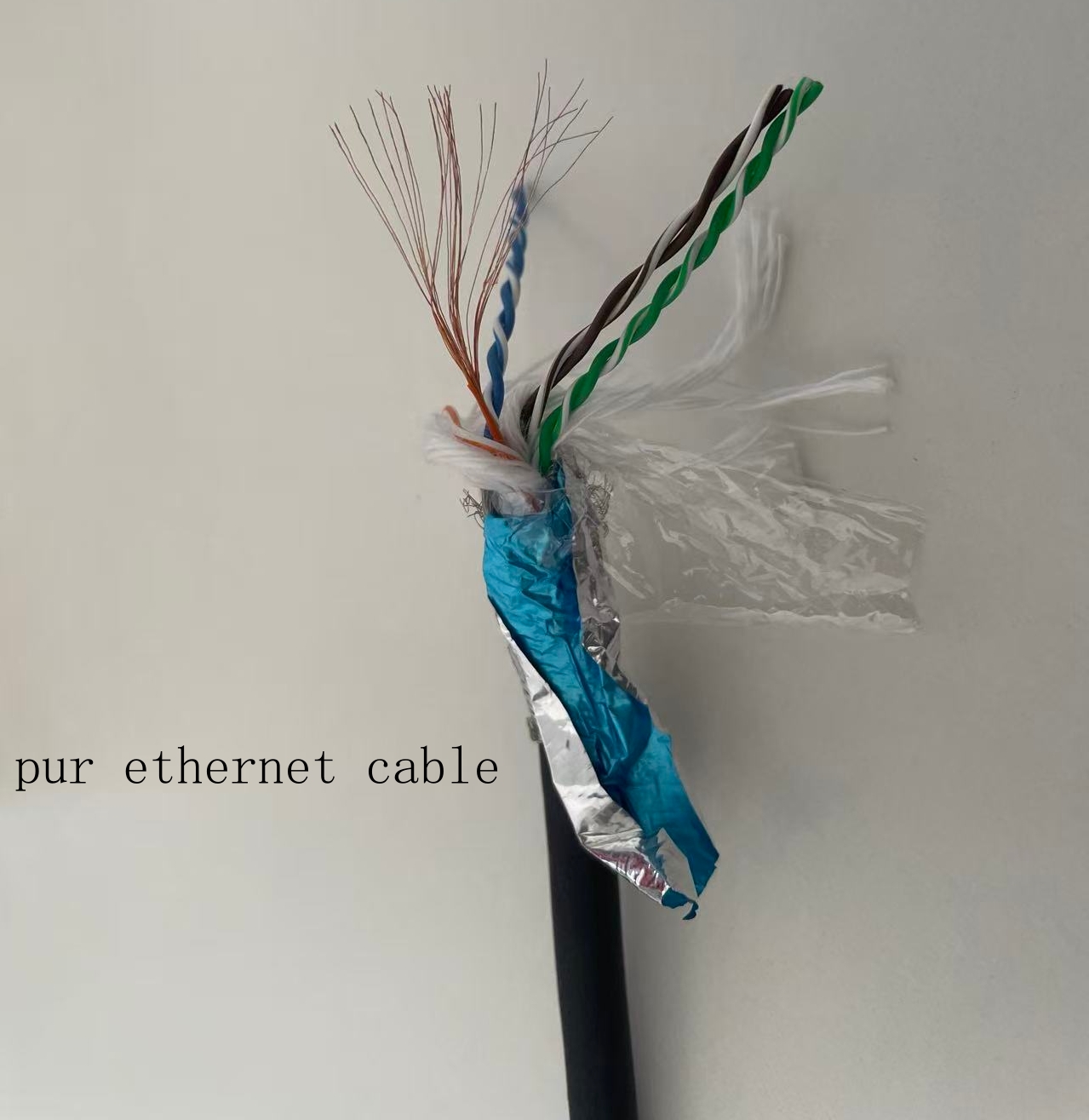
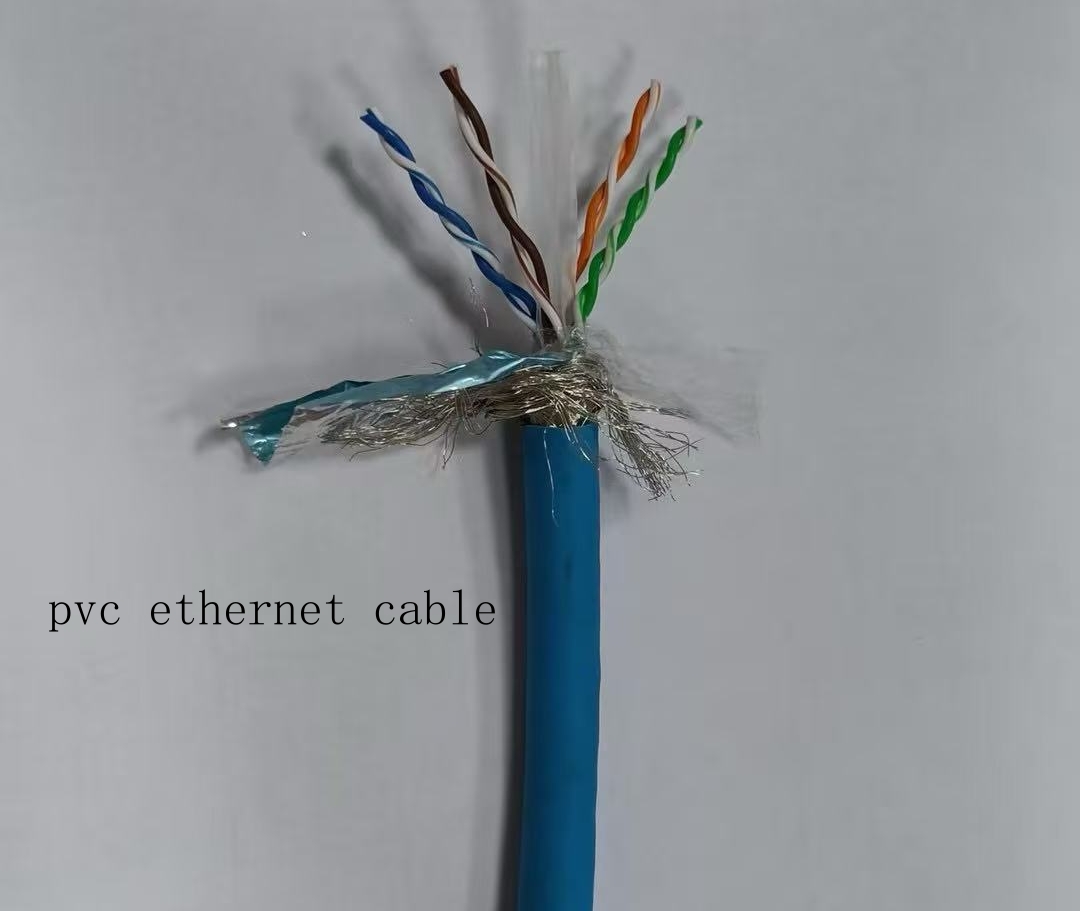
3. Elija el cable Ethernet de PVC o Cable Ethernet PUR según el entorno de uso
¿En qué ocasiones se debe elegir el cable Ethernet de PVC?
● Escenarios de cableado fijo: trabajos ocultos en decoración del hogar, oficinas, salas de ordenadores, paredes/techos.
● Colocación estática de equipos a largo plazo: los enrutadores, conmutadores, estaciones de trabajo fijas y cables Ethernet no se moverán ni doblarán.
● Entorno interior normal: un entorno doméstico o de oficina normal sin manchas de aceite, polvo ni diferencias extremas de temperatura.
Resumen: Sólo se utiliza para instalación fija en ambientes interiores limpios.
¿En qué ocasiones debería elegir el cable Ethernet PUR?
Siempre que su cableado cumpla cualquiera de las siguientes condiciones, deberá utilizar cables Ethernet PUR. De lo contrario, el costo del mantenimiento frecuente, el reemplazo y el apagado debido a problemas en una etapa posterior superará con creces la diferencia de precio de los propios cables Ethernet:
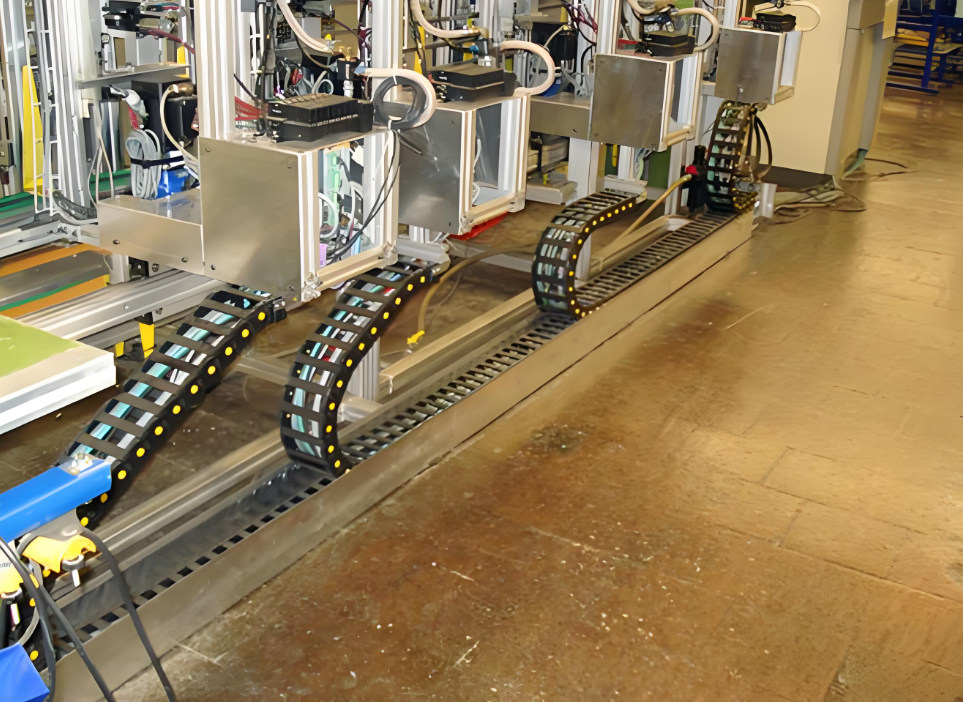
● Sistema de cadena de arrastre de automatización industrial: máquinas herramienta CNC (como maquinaria para trabajar la madera, maquinaria para vidrio), líneas de producción automatizadas (como líneas de producción de automóviles, líneas de producción de envases de aluminio), equipos electrónicos 3C, equipos de embalaje de semiconductores, equipos de producción de baterías, etc. El cable Ethernet debe moverse hacia adelante y hacia atrás a gran velocidad dentro de la cadena de arrastre.
● Robots y brazos robóticos: articulaciones de robots, carros AGV/AMR, etc. El cable Ethernet debe soportar torceduras y tirones de alta frecuencia.
● Condiciones de trabajo duras: los cables Ethernet PUR son resistentes al aceite, ácidos y álcalis, hidrólisis y frío. Adecuado para su uso en talleres, alrededor de máquinas herramienta, con riesgos de manchas de aceite, refrigerante, polvo o fricción mecánica.
● Ambiente exterior o de baja temperatura: cableado de equipos al aire libre, o conexión de equipos en ambientes de baja temperatura en el norte.
● Cableado de dispositivos móviles: iluminación de escenarios (como aplicaciones de elevación de candelabros enrollables pequeños), cabinas móviles, equipos médicos, etc., escenas que requieren movimiento frecuente.
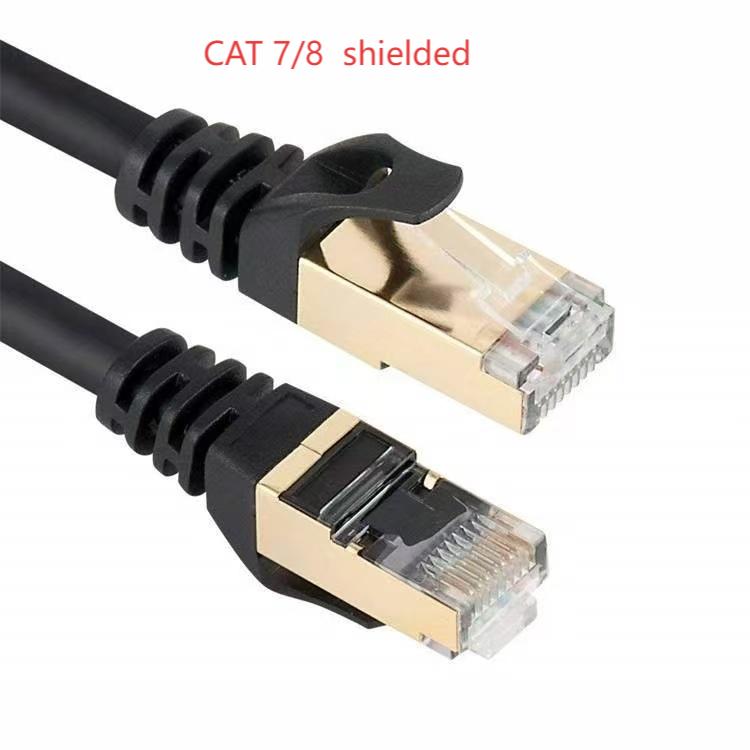
Resumen: Cuando se utiliza en escenarios de instalación móvil, requiere resistencia a la flexión, torsión, corrosión y ambientes de baja temperatura.
En general, la elección del material del cable Ethernet es muy importante. Elegir el material adecuado puede reducir los problemas del servicio posventa, y la elección del cable Ethernet debe determinarse en función del dispositivo real y el entorno en el que se utiliza.