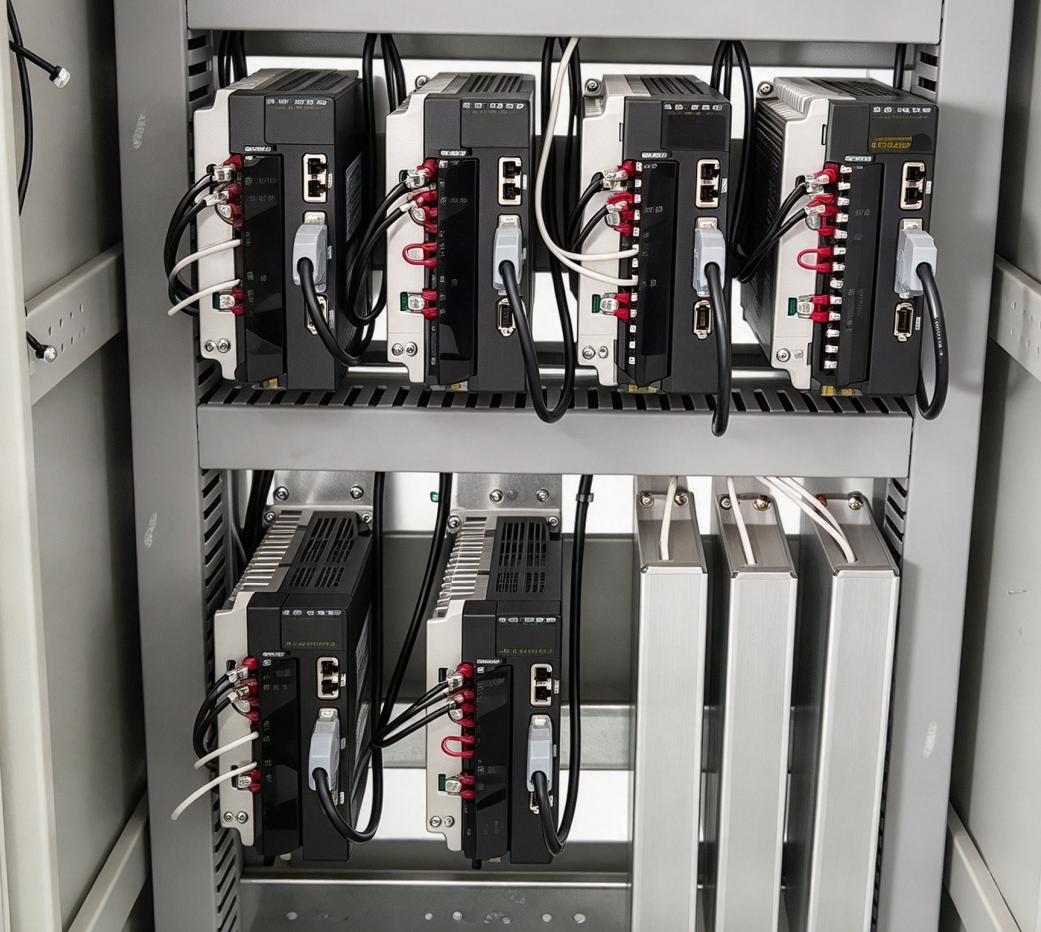
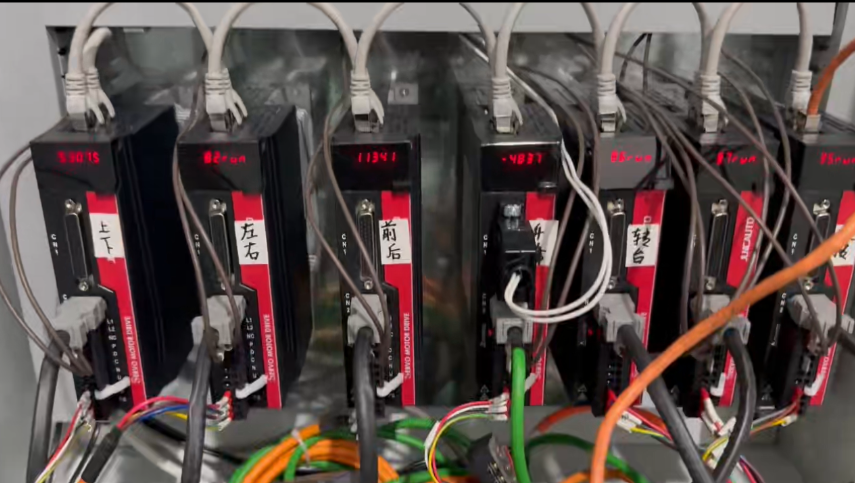
Servo-driven equipment depends on precise motion, but precision can fail quickly when ordinary cable is forced to bend, accelerate, and twist thousands or millions of times. A high flex servo cable is engineered for continuous movement incadenas de arrastre, robots,CNC systems, and automated machinery, helping protectintegridad de la señal, motor power delivery, and uptime in demanding dynamic applications.
What is high flex servo cable?
A high flex servo cable is a motion-rated cable designed to connectservoaccionamientos y servomotoresin applications where the cable bends repeatedly. Unlike standard stationary servo wiring, it uses fine-stranded conductors, flexible insulation, shielding, and durable jackets to deliver reliable power, feedback, and brake signals under continuous motion.
Construcción central y propósito
A high flex servo cable is built for dynamic mechanical stress. In servo systems, the cable may move inside a cable carrier, follow a robotic arm, or bend near a motor connection point. If the cable is not designed for this movement, conductors can fatigue, shields can crack, and signal quality can degrade.
Según nuestros datos internos y análisis de mercado, aquí está el desglose:
Elemento de cable
Purpose in a Flex Servo Cable
Por qué es importante
Conductores de cobre de hilo fino
Mejorar la resistencia a la flexión
Reduces conductor fatigue during repeated motion
Aislamiento flexible
Maintains electrical separation while bending
Helps prevent shorts and insulation cracking
Shielding braid or foil
Protects signal and feedback lines
Reduces EMI from drives, motors, and nearby equipment
Flexible outer jacket
Resists abrasion, oil, and mechanical stress
Extends service life in drag chains and machinery
Longitud de colocación optimizada
Controls internal cable movement
Improves servo cable flex life
A dynamic servo cable may include power conductors, feedback pairs, encoder lines, resolver wires, or brake conductors depending on the servo system design. The key difference is that every material and geometry choice supports repeated movement, not just electrical connection.
Consejo profesional de cwcables:I always recommend confirming the application’sradio de curvaturaand travel speed before selecting a cable; a cable can look correct electrically but still fail early if its flex rating does not match the motion profile.
How Does high flex servo cable Work?
A high flex servo cable works by combining flexible conductor geometry, motion-resistant insulation, controlled shielding, and a tough jacket to survive repetitive bending while maintaining electrical performance. It supports stable power transmission, accurate feedback signals, and EMI protection between servo drives, servo motors, and machine control systems.
Motion Performance in Servo Systems
In a servo system, the drive sends controlled current to the motor while receiving position or speed feedback fromencoders, resolvers, or sensors. The cable must maintain stable electrical characteristics while moving. This is especially important because servo drives generate fast-switching electrical noise that can interfere with feedback signals.
A flex servo cable manages these demands through several design principles:
Trenzado de conductores finosallows the copper to bend repeatedly without concentrating stress in one rigid point.
Balanced cable geometrydistributes mechanical load evenly across the cable core during movement.
Low-friction internal materialshelp cable elements slide slightly during flexing instead of pulling against each other.
Abrasion-resistant jacket compoundsprotect the cable against drag chain contact, oils, coolants, and machine vibration.
The goal is not only to keep the machine powered, but also to preserve signal accuracy. In servo applications, small feedback errors can cause positioning problems, drive alarms, overheating, or unexpected downtime.
Consejo profesional de cwcables:When I evaluate a moving servo axis, I look at both electrical noise and mechanical travel. A well-shielded cable still needs the right bend radius, and a flexible cable still needs proper grounding to perform reliably.
What are the benefits of high flex servo cable?
The main benefits of a high flex servo cable are longer service life, fewer motion-related failures, better signal stability, stronger EMI protection, and reduced machine downtime. It is especially valuable in automated equipment where cables move continuously and failure can stop production, damage components, or reduce positioning accuracy.
Operational Advantages in Dynamic Machinery
Servo systems are often installed in high-value machines where reliability directly affects productivity. A dynamic servo cable helps reduce hidden risks that come from using standard cables in moving applications.
Según nuestros datos internos y análisis de mercado, aquí está el desglose:
Beneficio
Impacto práctico
Aplicación común
Vida flexible más larga
Fewer conductor breaks and jacket failures
Drag chains, gantries, pick-and-place machines
Transmisión de retroalimentación estable
More accurate servo positioning
CNC machines, packaging lines, robotics
Improved EMI resistance
Fewer drive faults and signal errors
Multi-axis servo panels and motor cables
Reduced maintenance interruptions
Less unscheduled downtime
24/7 production environments
Better mechanical durability
Improved resistance to abrasion and oil
Machine tools and factory automation
The benefit is most visible over time. A standard cable may function during installation testing, but it can begin failing after repeated motion cycles. A high flex design is intended to maintain performance over millions of bending cycles when properly installed.
This makes cable selection a reliability decision, not just a wiring decision. For production equipment, the cost of one failed cable can be much higher than the cost difference between a standard and high flex servo cable.
Consejo profesional de cwcables:I advise customers to calculate the cost of downtime before choosing cable type. In automated systems, saving a small amount on cable can be expensive if it causes one unexpected production stop.
cable servo
How to maintain a high flex servo cable?
To maintain a high flex servo cable, inspect the jacket, bend radius, cable carrier routing, connector strain relief, shielding continuity, and signs of abrasion or twisting. Proper installation and periodic checks are essential because even a high-quality flex cable can fail early if it is over-bent, pinched, twisted, or poorly supported.
Pasos de inspección y mantenimiento preventivo
Maintenance should focus on preventing mechanical damage before it becomes an electrical fault. Because servo cable flex life depends heavily on installation quality, routine inspection is especially important in moving systems.
Use this practical maintenance checklist:
Comprobar radio de curvatura Confirm the installed bend radius meets or exceeds the manufacturer’s minimum recommendation.
inspeccionar la chaqueta Look for cuts, flattening, cracking, swelling, abrasion, or oil-related degradation.
Verify cable carrier layout Ensure the cable moves freely and is not crossing, twisting, or binding inside the drag chain.
Compruebe el alivio de tensión del conector Make sure movement is not concentrated at the connector or motor entry point.
Inspect shield grounding Confirm shielding is properly terminated according to servo drive and equipment requirements.
Monitor drive alarms Repeated encoder errors, overcurrent faults, or communication issues may indicate cable degradation.
Replace before catastrophic failure In critical equipment, schedule replacement based on cycle count, environment, and inspection history.
A high flex servo cable is durable, but it is not immune to incorrect handling. Avoid pulling it sharply during installation, clamping it too tightly, or forcing it into a smaller bend radius than specified.
Consejo profesional de cwcables:I like to mark inspection dates directly in the maintenance log with the machine axis name. It makes it much easier to identify recurring cable stress problems before they become production failures.
cable servo
What is the price of high flex servo cable?
The price of a high flex servo cable depends on conductor size, number of cores, shielding design, jacket material, flex rating, approvals, connector requirements, and order quantity. Basic cable may cost less, while custom assemblies, oil-resistant jackets, encoder pairs, and high-cycle drag chain ratings increase the final price.
Variables de precios que afectan el costo total
Pricing is application-specific because servo cables are often selected for both electrical and mechanical requirements. A cable for a small servo motor in a short travel axis will usually cost less than a large motor power cable with feedback pairs, brake conductors, and molded connectors.
Según nuestros datos internos y análisis de mercado, aquí está el desglose:
Factor de precio
Opción de menor costo
Opción de mayor costo
Tamaño del conductor
Smaller gauge for low-current motors
Larger gauge for high-current servo motors
Calificación flexible
Moderate motion cycles
High-cycle drag chain performance
Blindaje
Standard braid or foil
High-coverage shield with optimized grounding
Material de la chaqueta
General PVC
PUR, TPE, oil-resistant, or abrasion-resistant jacket
Diseño de cables
Cable a granel
Custom servo cable assembly with connectors
Cumplimiento
Basic industrial use
UL, CE, RoHS, or application-specific approvals
When comparing quotes, look beyond the price per meter. Consider connector quality, testing, shielding performance, lead time, and expected service life. A cheaper cable may cost more if it requires frequent replacement or causes servo faults.
For accurate pricing, cwcables typically needs the servo motor model, drive model, cable length, conductor configuration, movement type, bend radius, environmental conditions, and connector requirements.
Consejo profesional de cwcables:I recommend sharing photos or drawings of the cable path when requesting a quote. It helps us identify flex, abrasion, and connector risks that may not be obvious from electrical specifications alone.
Características clave y comparación
Key features of a high flex servo cable include fine-stranded conductors, flexible insulation, EMI shielding, oil-resistant jackets, drag chain compatibility, and strong connector support. Compared with standard servo cable, it is designed for repeated motion, better mechanical endurance, and more reliable operation in automated machinery.
Comparación de características para la selección de cables
Según nuestros datos internos y análisis de mercado, aquí está el desglose:
Característica
Cable servo estándar
Cable servo de alta flexibilidad
Por qué es importante
Uso primario
Fixed or low-motion installation
Continuous moving applications
Prevents premature mechanical failure
Diseño de conductores
Cableado estándar
Trenzado fino o extrafino
Mejora la resistencia a la flexión
Rendimiento flexible
Limitado
Designed for repeated cycles
Supports drag chains and robotics
Blindaje
Dependiente de la aplicación
Optimized for servo noise environments
Protects feedback and control signals
Durabilidad de la chaqueta
General industrial protection
Abrasion, oil, and motion-resistant options
Extends life in harsh machinery
Installation sensitivity
Moderado
High; bend radius and routing are critical
Correct installation protects flex life
Aplicaciones típicas
Static motor wiring
Gantries, CNC, packaging, robotics
Matches cable design to motion profile
Choosing between these cable types depends on whether the cable moves during operation. If the cable is static, a standard servo cable may be sufficient. If the cable bends, travels, or twists repeatedly, a high flex design is the safer and more reliable choice.
A high flex servo cable is not just “softer” cable. It is engineered with materials, shielding, conductor construction, and geometry that work together under repeated mechanical stress.
Consejo profesional de cwcables:I never select cable based only on motor current. For moving axes, I also confirm travel distance, bend radius, acceleration, carrier type, and environment before recommending a cable construction.
Costo y factores de compra
When buying a high flex servo cable, evaluate the servo drive requirements, motor current, feedback type, bend radius, movement speed, cable carrier design, shielding needs, jacket material, approvals, and connector compatibility. The best cable is the one that matches both the electrical load and the real mechanical motion.
Guía práctica de compra
Selecting a dynamic servo cable should start with the machine application, not just the cable catalog. The same servo motor may require different cable constructions depending on whether it is mounted on a fixed frame, moving gantry, robotic arm, or drag chain.
Use these buying factors to specify the right cable:
Servo drive and motor compatibility Confirm voltage, current, brake, encoder, resolver, or feedback requirements.
Flex life requirement Estimate cycle count, travel distance, acceleration, and machine operating hours.
Radio de curvatura mínimo Match the cable to the cable carrier and avoid tight routing.
Método de blindaje y puesta a tierra. Select shielding suitable for servo drive noise and feedback signal protection.
Estilo de conector Decide between bulk cable, field-wireable connectors, molded connectors, or custom assemblies.
Compliance requirements Check UL, CE, RoHS, or other industry-specific requirements.
Soporte de proveedores Choose a supplier that can help verify the complete electrical and mechanical specification.
A good buying decision balances performance, service life, and total ownership cost. The lowest upfront cost may not be the best value for high-motion machinery.
Consejo profesional de cwcables:I suggest treating the cable as part of the motion system, not an accessory. If the axis is critical, choose the cable construction that protects uptime rather than the cheapest option that meets only basic electrical ratings.
Conclusión
A high flex servo cable is essential for servo-driven machinery that moves continuously because it protects power delivery, feedback accuracy, and long-term reliability. By selecting the right flex servo cable for the motion profile, environment, shielding needs, and connector design, manufacturers can reduce downtime and extend machine service life.
Final Selection Takeaways
High flex servo cable selection should combine engineering review with practical installation planning. Servo systems are sensitive to both electrical noise and mechanical stress, so the cable must support both requirements at the same time.
Key takeaways include:
Use high flex cable for moving servo axesinstead of standard stationary cable.
Match the cable to the bend radius and cycle liferequired by the machine.
Protect signal quality with proper shielding and groundingto reduce servo faults.
Inspect cable routing and strain reliefduring installation and maintenance.
Work with a knowledgeable supplierwhen specifying custom lengths, connectors, or harsh-environment materials.
For applications involving robotics, CNC machinery, packaging equipment, automated handling, or drag chains, cwcables can help specify a high flex servo cable or custom servo cable assembly based on your motion profile and electrical requirements.
Consejo profesional de cwcables:If you are unsure which cable to choose, send us the servo drive model, motor model, cable length, bend radius, and motion details. I can help narrow the specification before you commit to production wiring.