

تظهر الكابلات المرنة والكابلات عالية المرونة والكابلات فائقة المرونة اختلافات كبيرة في خصائص الأداء ومجالات التطبيق وبناء المواد. فيما يلي مقارنة تفصيلية بين الثلاثة:
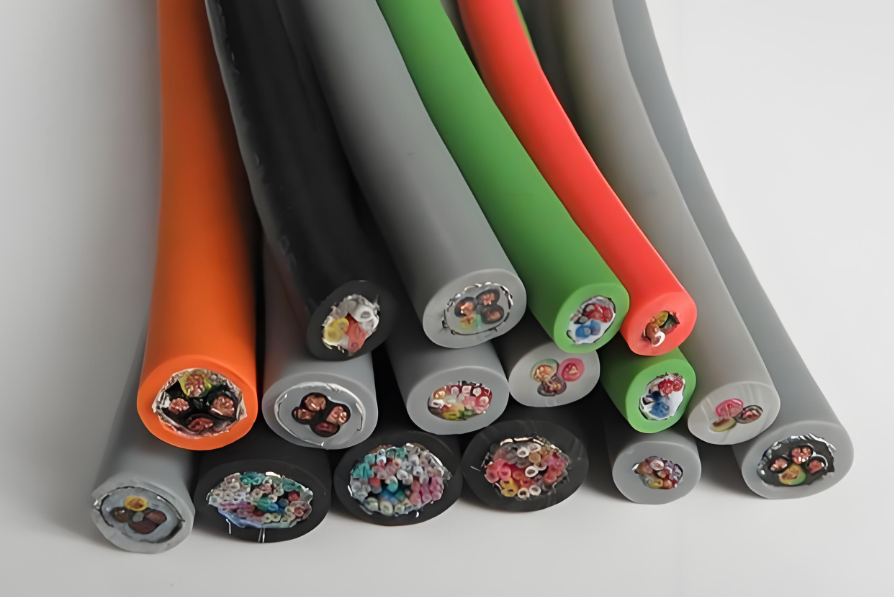
ميزات الأداء
1.كابل مرن:
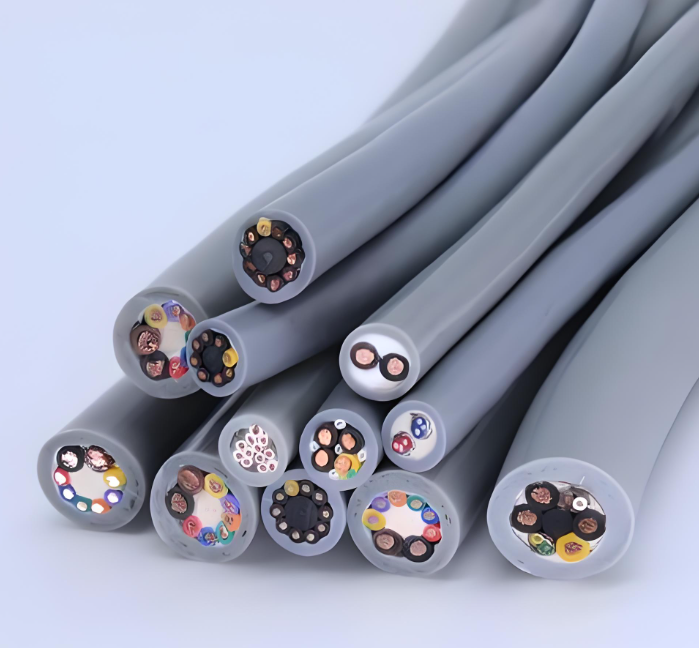
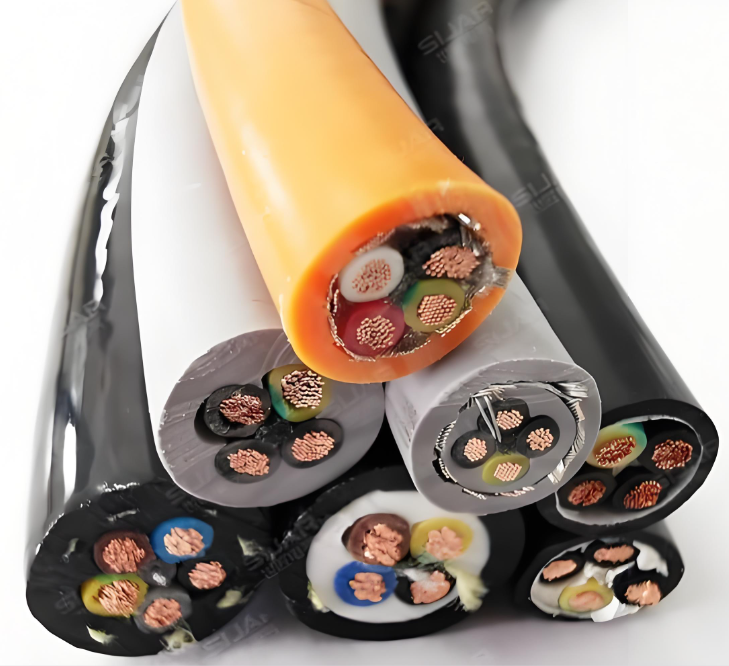
2. كابل ذو مرونة عالية:
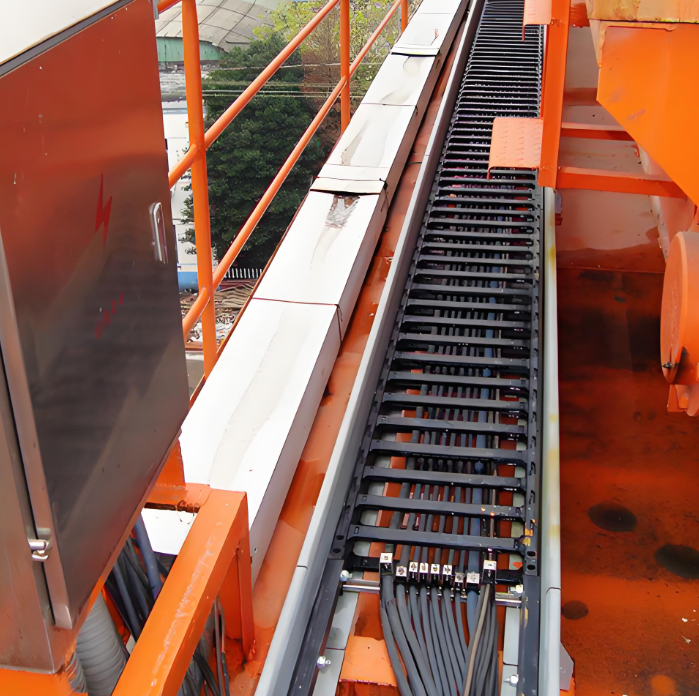
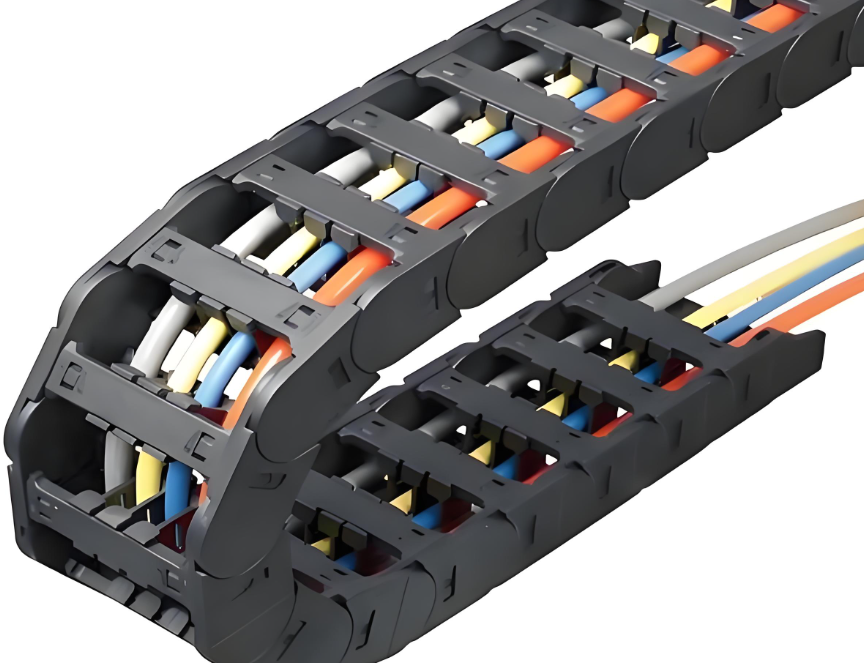
● مرونة عالية: بالمقارنة مع الكابلات المرنة، تتمتع الكابلات عالية المرونة بمرونة أعلى ويمكن أن تعمل تحت أنصاف أقطار انحناء أصغر دون أن تنكسر أو تتكسر بسهولة. مناسبة لسلاسل السحب سريعة الحركة للتحرك ذهابًا وإيابًا، ويطلق عليها اسم أ كابل سلسلة السحب.
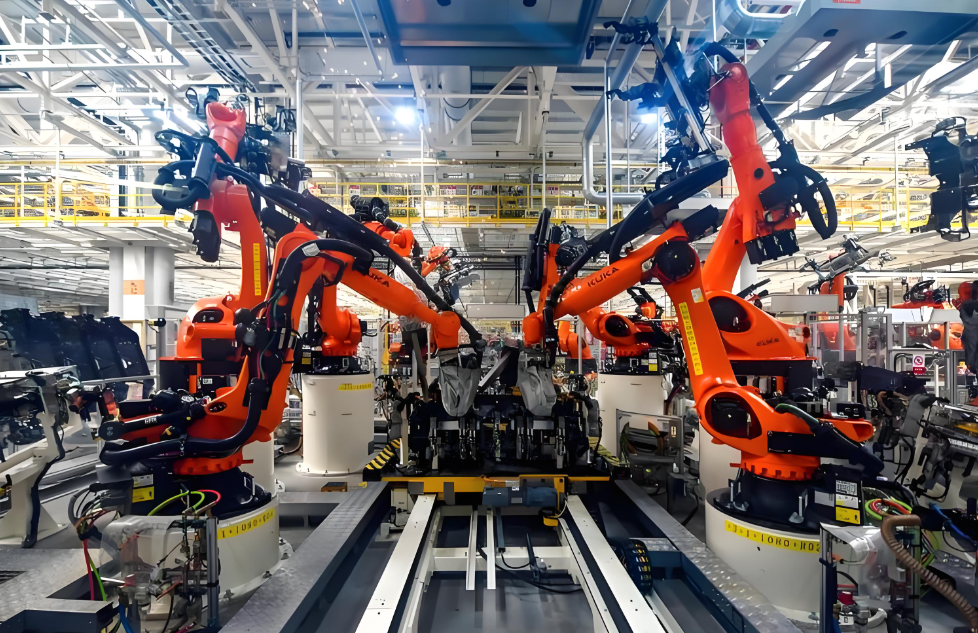
3. كابل فائق المرونة:
مجال التطبيق
1.سلك مرن:
يستخدم على نطاق واسع في الأتمتة الصناعية، والمعدات الميكانيكية، وأرفف التخزين، ومعدات الرفع، وغيرها من المواقف المتحركة أو الانحناء أحيانًا.
2.كابل مرن عالي:
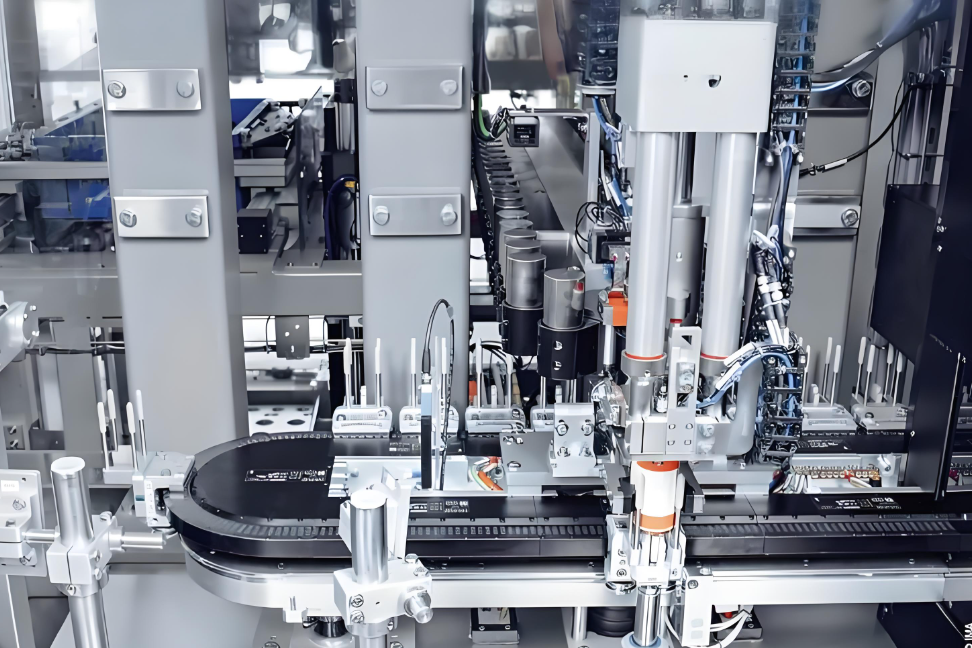
بالإضافة إلى الأتمتة الصناعية، يتم استخدامها أيضًا على نطاق واسع في مجالات مثل الروبوتات والمعدات الطبية وصناعة السيارات والفضاء، مع متطلبات أعلى للمرونة والمتانة والتوصيل للكابلات.
3. كابل مرن للغاية:
يستخدم بشكل أساسي في المواقف التي تتحرك فيها الروبوتات وخطوط الإنتاج الآلية بسرعة ولها متطلبات عالية للغاية لأداء واستقرار ثني الكابلات.
بناء المواد
1.سلك فليكس:
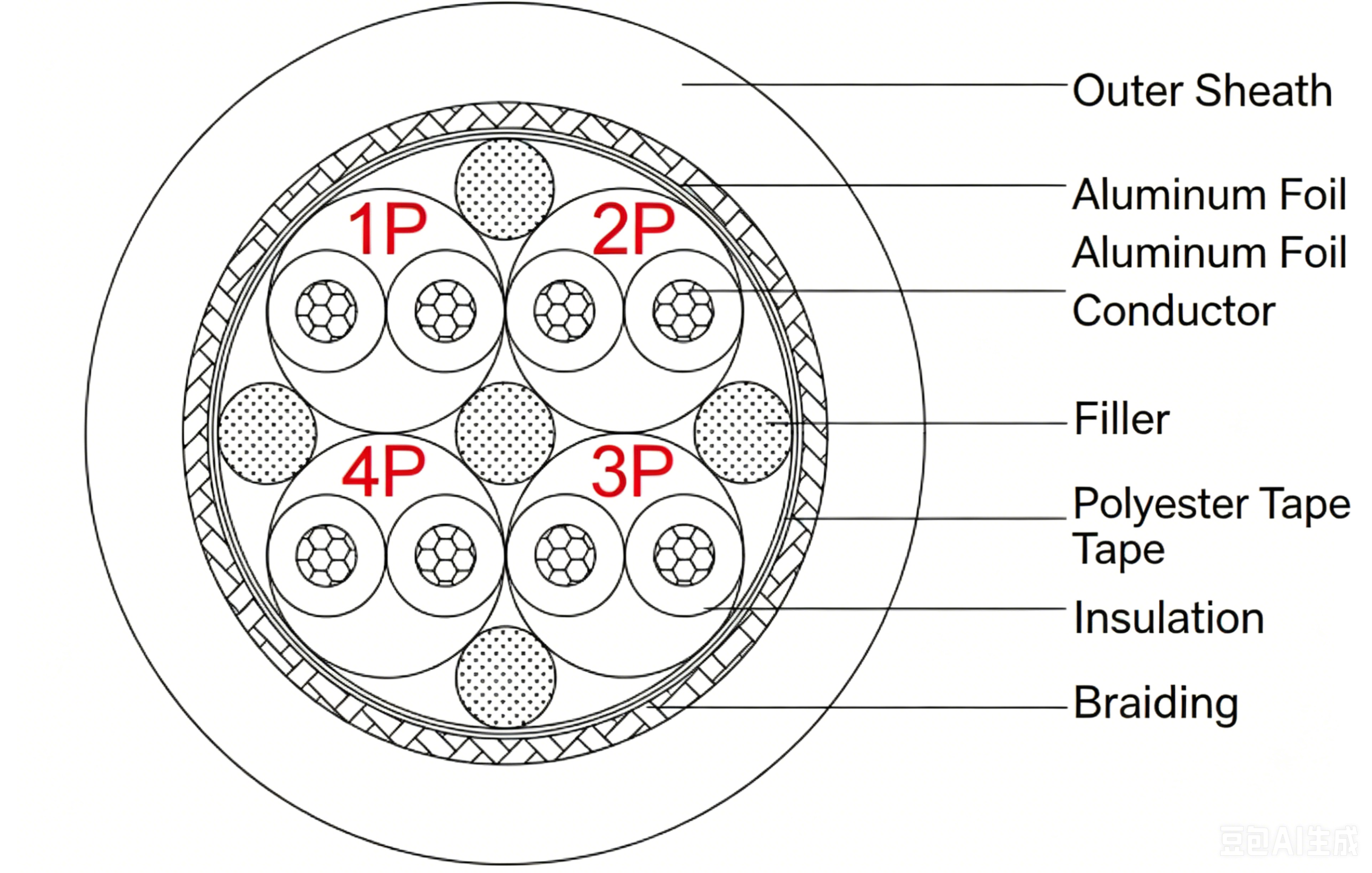
تتكون عمومًا من الموصلات والمواد العازلة ومواد التدريع ومواد الطبقة الخارجية، ويعتمد اختيار المواد المحددة على متطلبات التطبيق.
2. كابل عالي المرونة:
3. كابل مرن للغاية:
الطبقة الخارجية مصنوعة من مادة مرنة، في حين أن الموصل الداخلي مصمم بميزات خاصة مثل الهيكل المضفر متعدد الخيوط أو الأسلاك النحاسية الرقيقة لتعزيز المرونة.
باختصار، الكابلات المرنة، والكابلات عالية المرونة، والكابلات فائقة المرونة لها اختلافات كبيرة في خصائص الأداء، ومجالات التطبيق، وبناء المواد. في التطبيقات العملية، يجب اختيار نوع الكابل المناسب وفقًا للاحتياجات المحددة لضمان التشغيل الطبيعي للمعدات وإطالة عمر الخدمة.