

الكابل المرن عبارة عن مجموعة أسلاك كهربائية تتمتع بمرونة عالية وأداء انحناء، ويشيع استخدامها في التطبيقات التي تتطلب حركة متكررة أو التشغيل في الأماكن الضيقة. بالمقارنة مع الكابلات التقليدية، سلك مرن أكثر ملاءمة للبيئات ذات الظروف المعقدة، أو قيود المساحة، أو احتياجات النقل المتكررة.
مع تطور الأتمتة الصناعية اليوم، تتطلب المزيد والمزيد من المناسبات استخدام الكابلات المرنة، والتي غالبًا ما تتطلب ثني ولف الكابلات بشكل متكرر. بالنسبة للكابلات العادية المصممة خصيصًا للتطبيقات الثابتة، فهذه مشكلة. في ظل الانحناء المتكرر، ستتقادم هذه الكابلات بسبب عوامل مختلفة.
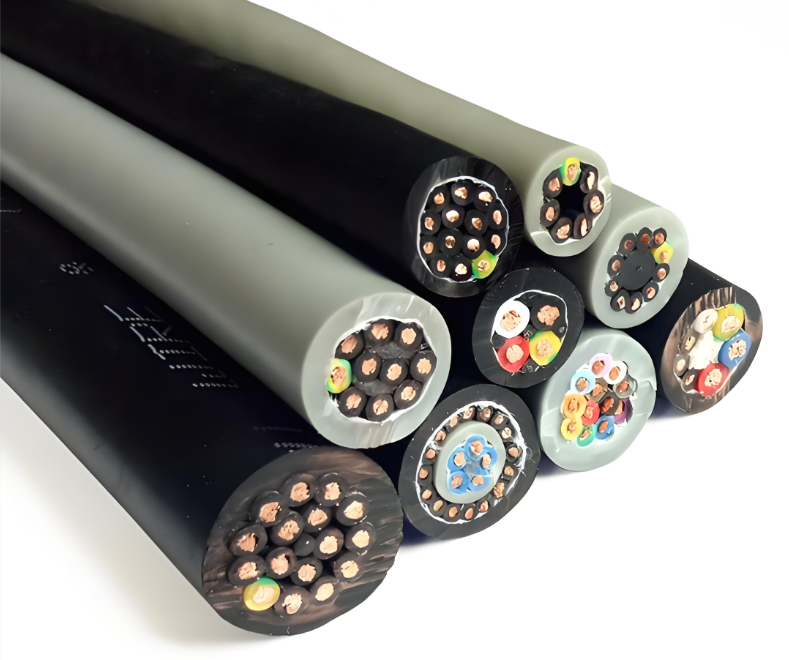
قد تتعرض أغلفة الكابلات العادية للتلف بسبب التآكل الناجم عن أنظمة إدارة الكابلات أو العوامل البيئية الأخرى. قد تتشقق أو تنكسر الطبقة العازلة ومادة الغلاف بسبب التمدد المتكرر. قد تنكسر الموصلات وطبقات التدريع، خاصة في تطبيقات الحركة المعقدة التي تتطلب ثنيًا مستمرًا للكابلات. في البيئات القاسية، يمكن أن يؤدي التآكل والتمزق أو المواد المسببة للتآكل، بالإضافة إلى درجات الحرارة القصوى، إلى تفاقم تدهور الأداء هذا. هذه المخاطر البيئية يمكن أن تقلل من أداء الطبقة العازلة والغلاف، مما يجعلها عرضة للفشل.
مزايا كابل مرن
تتمتع الكابلات المرنة بمزايا متعددة مقارنة بالكابلات التقليدية، مما يجعلها مفضلة للغاية في العديد من التطبيقات. فيما يلي المزايا الرئيسية للسلك المرن.
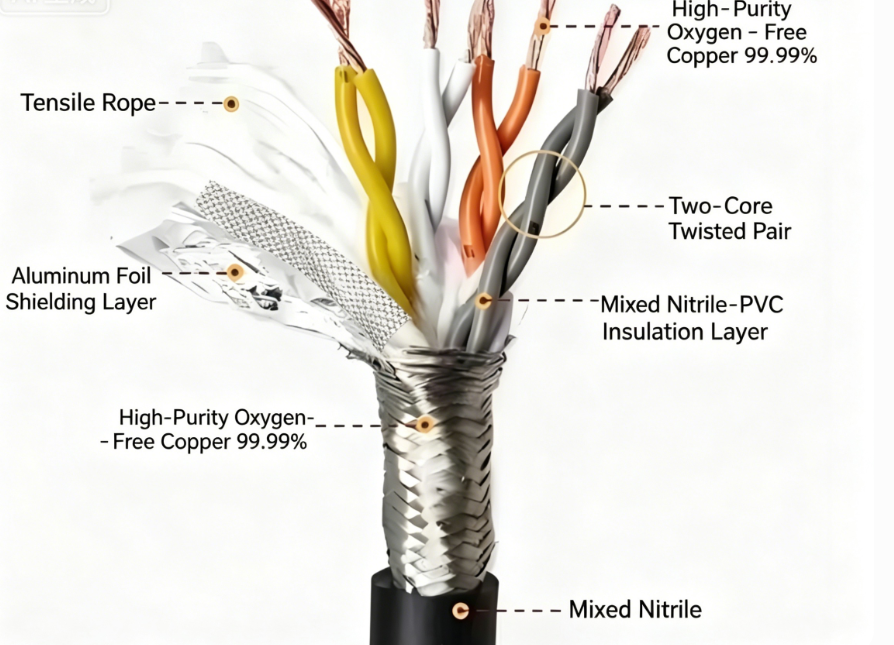
1. مرنة للغاية
كابل مرن عالي التصميم مرن ويمكنه تحمل الانحناء الكبير دون الإضرار بالأسلاك أو الطبقة العازلة. هذه المرونة العالية تجعل الكابلات المرنة مناسبة للبيئات التي تتطلب حركة متكررة أو تخطيطًا محدودًا، مثل الروبوتات ومعدات CNC والأجهزة الطبية.
2. أداء مضاد للالتواء الكابلات المرنة
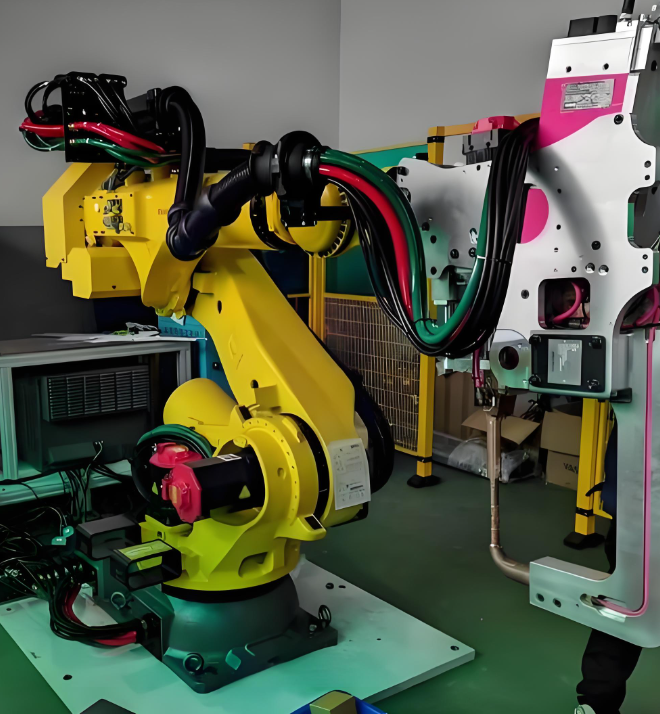
نظرًا لتصميم الهيكل الداخلي المعقول للكابلات المرنة، فهي تتمتع بأداء جيد ضد الالتواء، مما يمكن أن يقلل من خطر الضرر الناجم عن الالتواء أثناء الانحناء. وهذا يجعل استخدام الكابلات المرنة أكثر موثوقية في البيئات المعقدة. على سبيل المثال، تستخدم للروبوتات المفصلية.
3. ارتداء المقاومة ومقاومة الأكسدة سلك مرن
عادة ما تكون الكابلات المرنة مصنوعة من مواد عالية الجودة مع مقاومة قوية للتآكل ومقاومة الأكسدة. سواء في بيئات العمل القاسية أو بعد الاستخدام لفترة طويلة، لا تزال الكابلات المرنة قادرة على الحفاظ على حالة اتصال كهربائي مستقرة، مما يطيل عمر الخدمة.
4. مرونة التثبيت سلك مرن
التصميم الهيكلي للكابلات المرنة يجعلها مرنة للغاية وقابلة للتكيف مع متطلبات التثبيت بمختلف الأشكال والأحجام. هذه المرونة تجعل تركيب الكابلات المرنة أكثر ملاءمة في المساحات الضيقة أو البيئات المتعرجة.
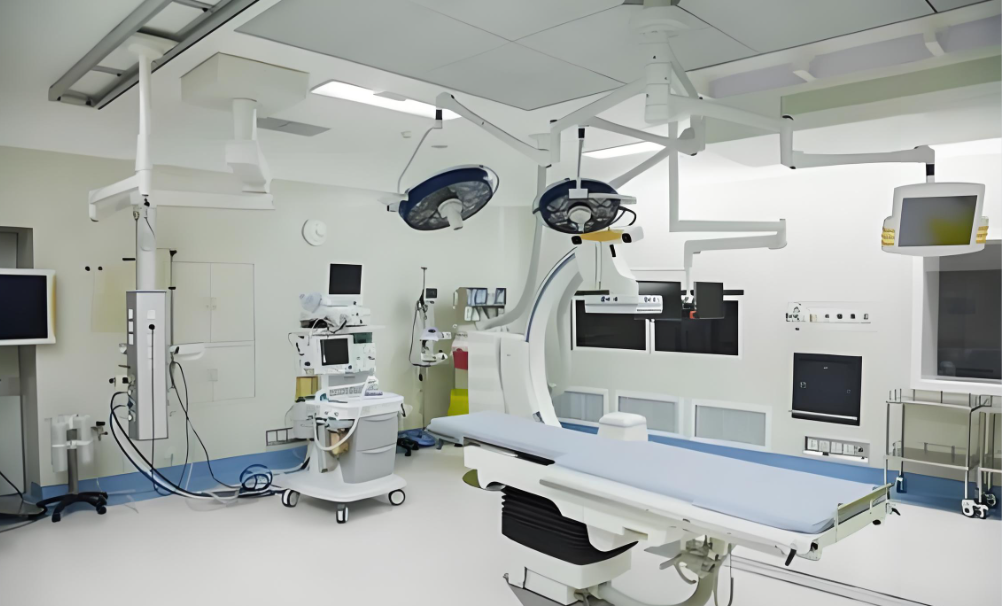
5. موثوقية الكابلات المرنة
نظرًا لعمليات التصنيع الصارمة ومراقبة الجودة، يتم ضمان استقرار الاتصال وجودة نقل الإشارة للكابلات المرنة. تعد موثوقية الكابلات المرنة أمرًا بالغ الأهمية في مجالات التطبيق الرئيسية مثل الأجهزة الطبية والفضاء وما إلى ذلك.
6. الكابلات المرنة يمكن أن توفر مساحة التثبيت
تعد الكابلات المرنة أكثر مرونة من الكابلات الصلبة ويمكنها التكيف بشكل أفضل مع متطلبات تخطيط المساحات الضيقة. في الحالات التي تكون فيها المساحة محدودة، يمكن للكابلات المرنة توفير المساحة بشكل فعال وتحسين كفاءة التخطيط العام للنظام.
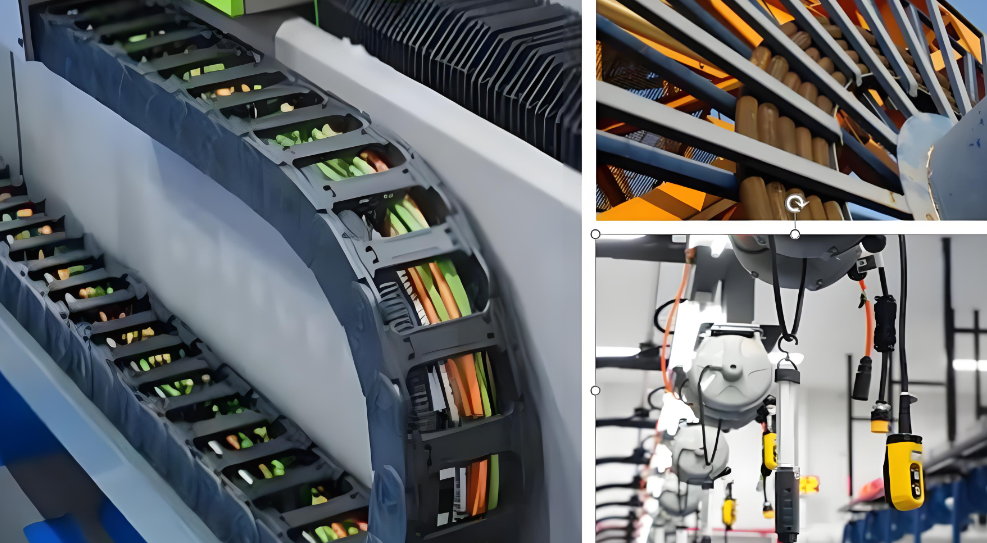
تطبيق الكابلات المرنة
تنقسم الكابلات المرنة عمومًا إلى كابلات تحويل التردد المرنة، كابلات الطاقة المرنة، مرن الكابلات الزوجية الملتوية المحمية، و كابلات مؤازرة مرنة. يمكن تقسيم التقسيم الفرعي إلى كابلات الاستشعار، وكابلات التشفير، وكابلات التيار المتردد كابلات محرك سيرفووكابلات الروبوت وكابلات التنظيف و كابلات سلسلة السحب.