

Cáp có tính linh hoạt cao chủ yếu được sử dụng để cung cấp điện và truyền tín hiệu cho các bộ phận chuyển động trong phương tiện sử dụng năng lượng mới. Các lĩnh vực ứng dụng cốt lõi và yêu cầu lựa chọn như sau.
Các lĩnh vực ứng dụng cốt lõi:
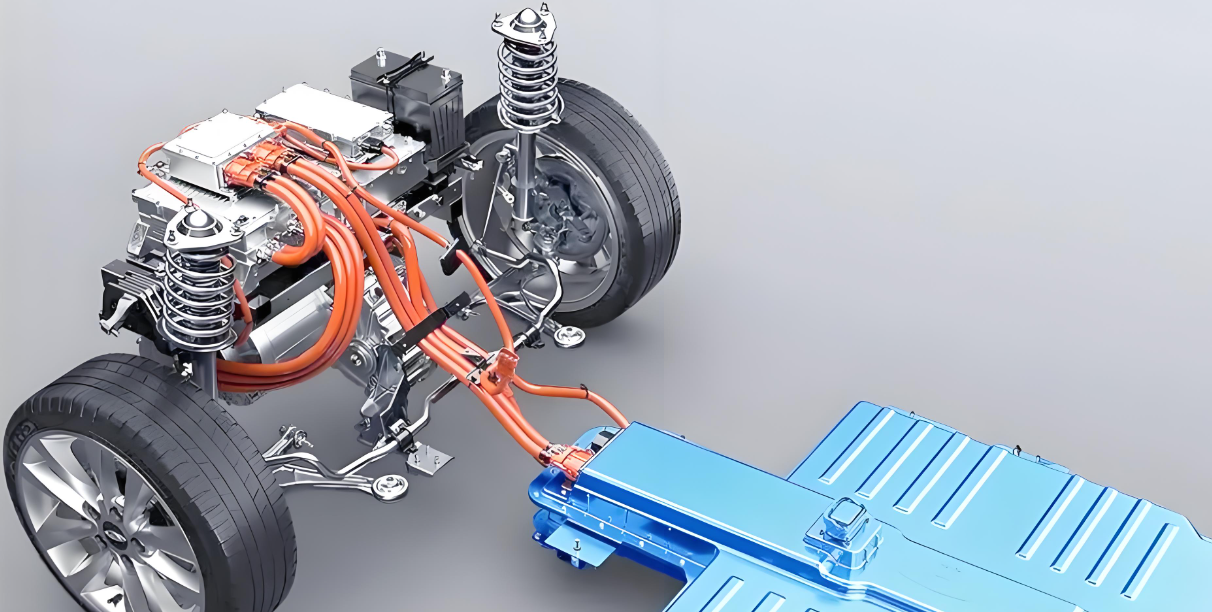
1. Dây nối pin
Dây linh hoạt được sử dụng để kết nối các tế bào bên trong của bộ pin và kết nối giữa bộ pin và hệ thống điều khiển điện tử. Cần phải truyền dòng điện cao (chẳng hạn như 50A trở lên) và thích ứng với sự biến dạng và rung động nhẹ của bộ pin để đảm bảo cung cấp điện ổn định; Một số trường hợp yêu cầu hiệu suất cách điện cao áp (chẳng hạn như bộ pin điện áp cao).
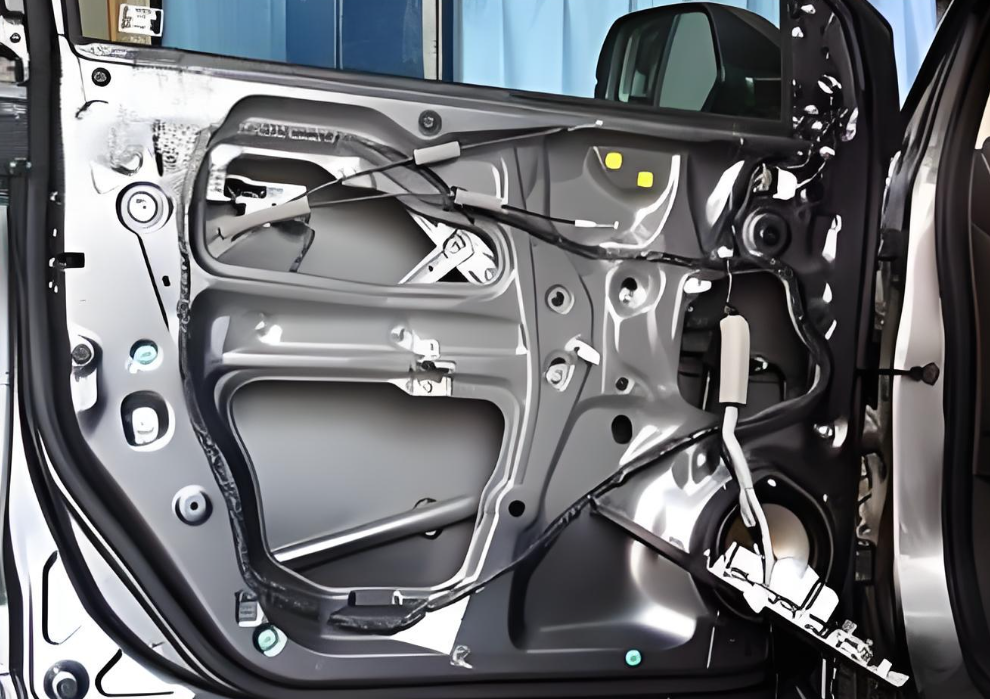
2. Hệ thống truyền động cửa
Cáp linh hoạt dùng để cấp điện và truyền tín hiệu cho cầu nâng kính và khóa cửa, thích ứng với chuyển động uốn cong thường xuyên của cửa ô tô, đòi hỏi độ linh hoạt cao và khả năng chống mỏi để tránh bị gãy trong quá trình uốn
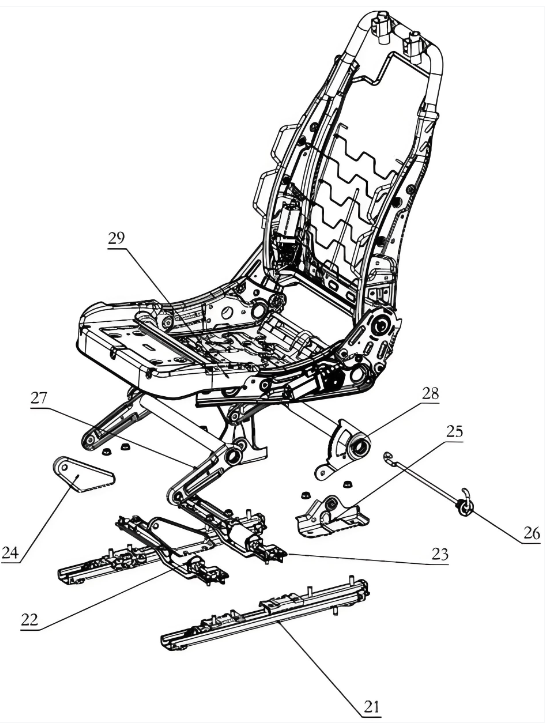
3. Hệ thống điều chỉnh chỗ ngồi
Việc cấp nguồn cho động cơ điều chỉnh trước sau, lên xuống của ghế chỉnh điện yêu cầu dây uốn uốn cong và kéo theo chuyển động của ghế và phải có khả năng chống mài mòn và chịu kéo. Đồng thời, nó phải có kích thước nhỏ, dễ dàng cất giấu và lắp đặt.
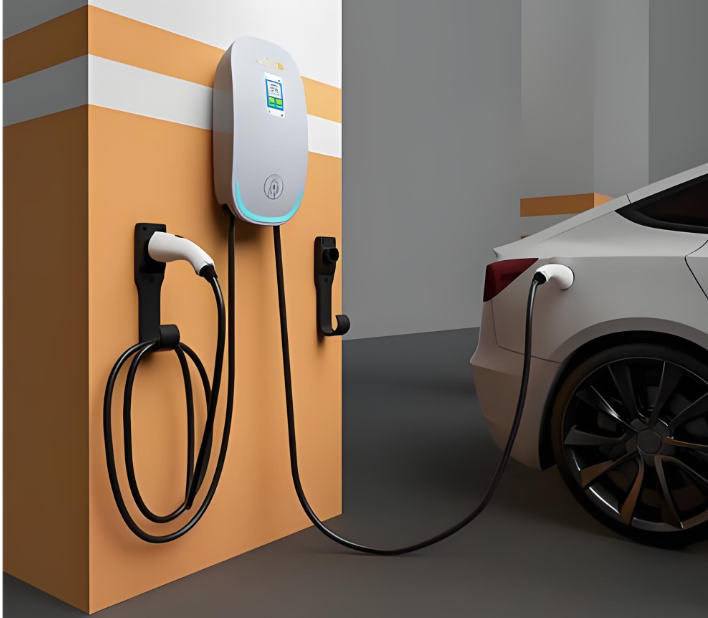
4. Hệ thống sạc
các Cáp mềm (cáp sạc di động) dùng cho cọc sạc và cổng sạc ô tô cần có độ linh hoạt cao, chống mài mòn, chống thấm nước, thích ứng với việc cắm và kéo thường xuyên và truyền dòng điện cao (chẳng hạn như 30A trở lên) để đảm bảo an toàn khi sạc.
5. Các thành phần khác
chẳng hạn như hệ thống dẫn động cửa sổ trời và hệ thống mở cốp, yêu cầu sử dụng cáp linh hoạt với tính linh hoạt cao để thích ứng với nhu cầu di động.
Yêu cầu lựa chọn:
1. Khả năng chuyên chở hiện tại: cáp linh hoạt giữa bộ pin và hệ thống sạc nên sử dụng dây dẫn có tiết diện lớn (chẳng hạn như 2,5 mm 2 trở lên) để đảm bảo truyền tải dòng điện cao và tránh gây nóng quá mức; Dây dẫn sử dụng đồng không có oxy nhiều sợi để tăng cường tính linh hoạt và độ dẫn điện.
2. Khả năng chịu nhiệt độ: Nên chọn vật liệu chịu nhiệt độ cao (chẳng hạn như vỏ silicon hoặc polyurethane có khả năng chịu nhiệt độ 125oC) cho dây linh hoạt xung quanh động cơ hoặc bộ pin để đối phó với môi trường nhiệt độ cao; Chọn vỏ bọc polyurethane có khả năng chịu nhiệt độ từ -40oC đến 80oC cho các bộ phận thông thường, phù hợp với điều kiện đạp xe ở nhiệt độ cao và thấp.
3. Hiệu suất bảo vệ: Nên chọn cáp sạc ngoài trời có chỉ số chống nước từ IP67 trở lên để chống mưa, chống nước phun; Các dây cáp ở phía dưới thùng xe cần có khả năng chống mài mòn và chống va đập với đá, vỏ bọc phải được làm bằng polyurethane cường độ cao.
4. Cáp an toàn, điện áp cao cần có độ bền cách điện cao (chẳng hạn như điện áp chịu được ≥ 1kV) và cần thêm lớp che chắn để tránh nhiễu điện từ; Tất cả cáp có độ uốn cao sử dụng trong ô tô phải có đặc tính chống cháy (tuân theo cấp UL94 V-0) để ngăn ngừa nguy cơ cháy nổ.
5.Chú ý: Cáp xe năng lượng mới phải tuân thủ các tiêu chuẩn của ngành ô tô (như ISO 6722) để đảm bảo an toàn và tin cậy; Trong quá trình lắp đặt cần cố định chắc chắn để tránh ma sát, nén với các bộ phận khác; Thường xuyên kiểm tra lớp cách nhiệt và các mối nối của cáp có độ uốn cao để đảm bảo không bị hư hỏng, lỏng lẻo, đảm bảo lái xe an toàn.
