

Traditional cabling and industrial Ethernet cables: who is better?
In the world of signal control, traditional wiring methods were once dominant. Imagine that each signal (multi-core wire) has to be individually pulled to the control system, which was the norm in the past. Although this method is still applicable in situations where the equipment is compact and there are few signal points, and even has its advantages in cost control, its limitations are also evident.
With the advancement of technology, industrial Ethernet technology is gradually emerging. Now, a single industrial Ethernet cable can control the entire production line, achieving the integration of equipment from multiple manufacturers, making equipment transportation, debugging, component replacement, and later maintenance extremely convenient.
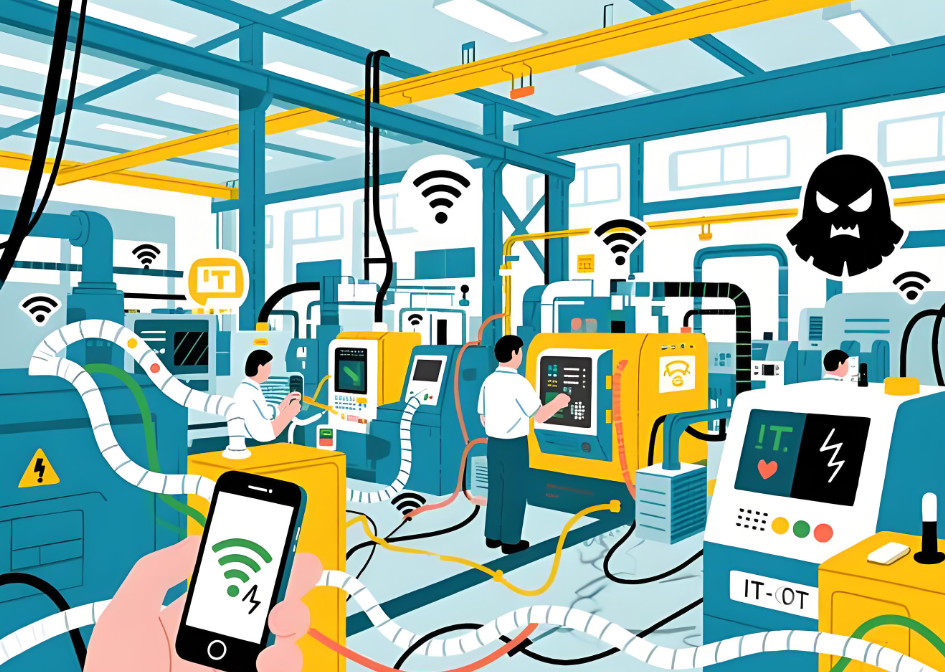
What traditional cables have been replaced by flexible ethernet cable?
After the widespread adoption of industrial Ethernet, it directly replaced a large category of traditional control cables, fieldbus cables, and analog signal cables. It can be said that using one industrial Ethernet cable eliminated several types of cables in the past.
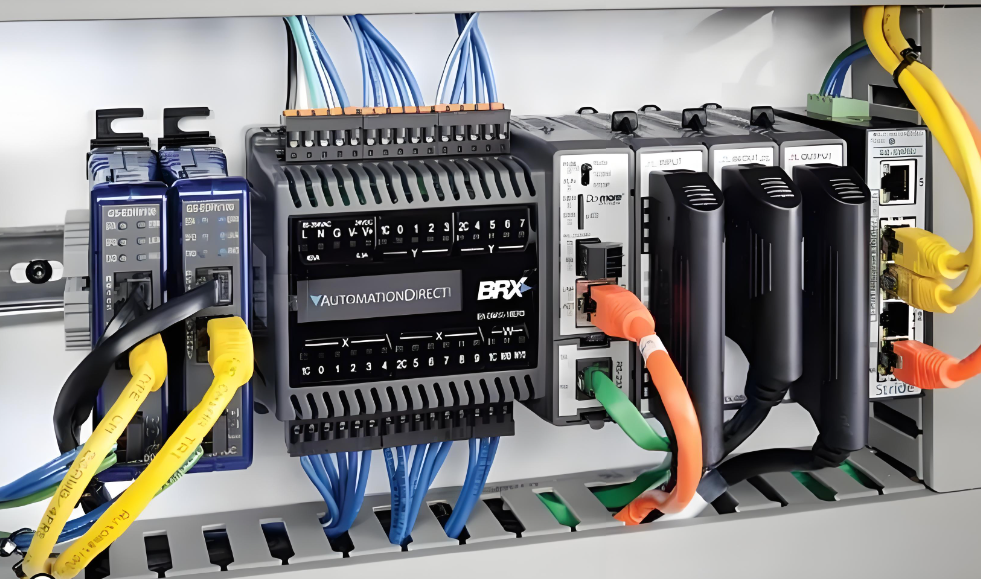
1. Core: Replace various fieldbus cables
● Profibus cable
Siemens classic red bus cable, which used to be standard for PLCs, frequency converters, and IO stations, is now mostly replaced by Profinet network cables.
● DeviceNet/CANopen cable
The thick/thin cables commonly used in automobiles and automation have been replaced by EtherNet/IP and EtherCAT network cables.
● CC Link cable
Japanese devices commonly use dedicated bus cables, but now a large number are switching to CC Link IE industrial network cables.
● InterBus, Modbus RTU shielded cable
Traditional serial communication shielded cables have been replaced by Modbus TCP industrial Ethernet cables.
2. Replacement of a large number of analog signal cables
In the past, sensors and instruments relied entirely on analog cables, but now a single network cable can fulfill the same purpose:
● 0–10V / 4–20mA analog shielded cables
● PT100 and thermocouple temperature compensation wires
● Special shielded cables for load cells
These have now been replaced by digital sensors with industrial Ethernet plus network cables, resulting in less wiring, stronger anti-interference performance and higher precision.
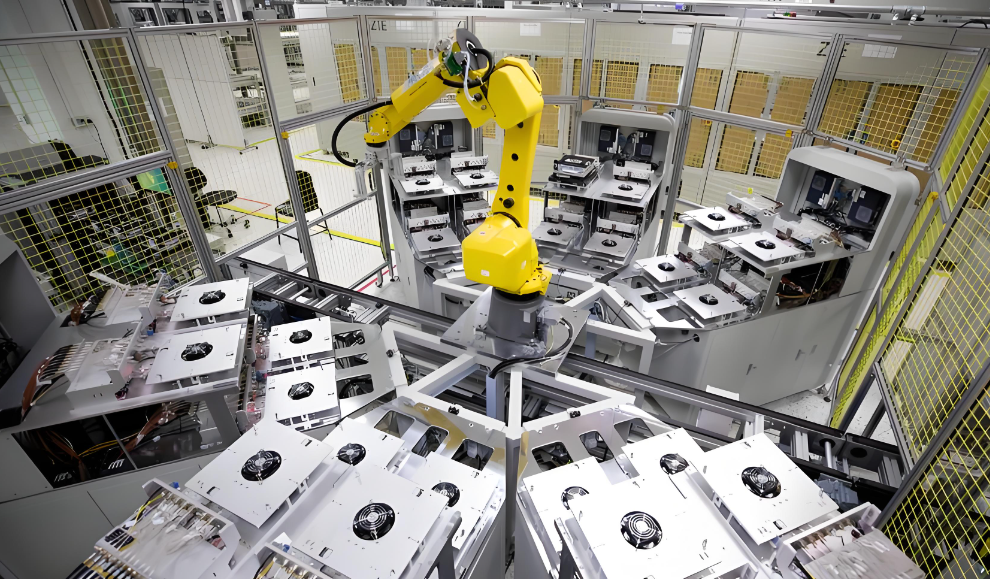
3. Replacement of Traditional Control Cables and Multi-Core Control Wires
Multi-core control cables (KVV, KVVP)
In the past, controlling solenoid valves, relays and button signals required laying a large number of multi-core wires.
Now, with remote IO modules plus industrial Ethernet cables, one single cavo ethernet flessibile replaces dozens of control wires.
4、 Replace dedicated servo&motion control cables
● Servo power+feedback composite cable
● Pulse control signal line
Now the servo supports EtherCAT, Profinet, Powerlink, and can directly use best ethernet cable, greatly simplifying wiring.
5、 Replace old-fashioned data communication cables
● RS232/RS485 shielded communication cable
● Parallel transmission cable, printer parallel port cable, old-fashioned upper computer connection cable
All replaced by cat6a ethernet cable.
6、 Replace some video coaxial cables
Simulate monitoring coaxial cable.
In industrial vision and security, it is replaced by PoE cat6a ethernet cable and network cameras.
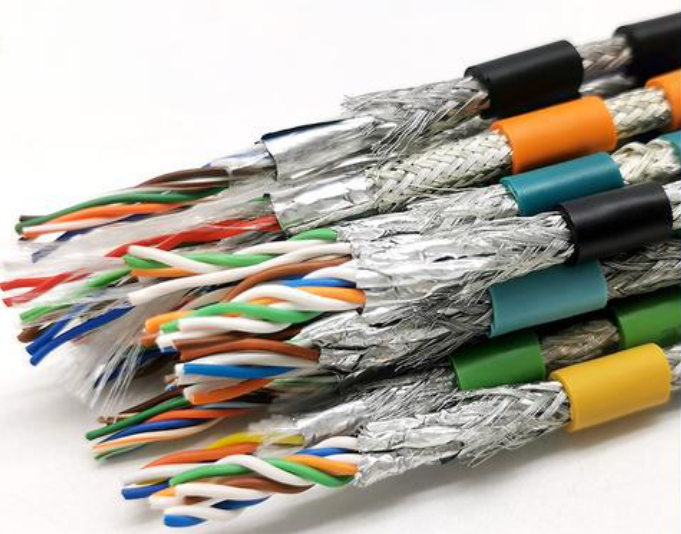
Summary:
Industrial Ethernet cable=replaces fieldbus cable+analog cable+multi-core control cable+servo encoder cable+RS485/RS232 communication cable
We have implemented a network to the end. In the past, there was a large bundle of wires behind the equipment, but now there are basically only:
Power cable+one cat5e ethernet cable or cat6a ethernet cable.
So, when faced with wiring choices, consider these emerging technologies that may bring unexpected convenience and efficiency improvements to your work.
